How to Rotate Newborn Essentials by Month: What to Add, Retire, and Restock
How to rotate newborn essentials by month is one of those things nobody really explains before the baby comes home. Everyone tells you what to buy before birth, but not what to do when the newborn diapers are suddenly tight, the swaddles are no longer right, and half the drawer is full of clothes your baby never wore.
The first three months are not one static shopping list. They are a moving target. Your baby grows, feeding changes, sleep stages shift, laundry piles tell the truth, and the products that felt essential in week one may be retired by month three.
This guide builds on the main Newborn Essentials plan. Instead of buying more every time something feels off, you will learn how to rotate newborn essentials by month: what to keep close, what to size up, what to retire, and what to restock only after your real routine proves it matters.
Quick Answer
How to Rotate Newborn Essentials by Month
Month one is mostly about using the starter setup: diapers, wipes, feeding supplies, sleepers, burp cloths, and safe sleep basics. Month two is when you check fit, restock what you actually use, and stop opening newborn-size items too quickly.
Month three is when you retire outgrown diapers, clothes, and stage-limited sleep items, then shift toward 0-3 month or 3-6 month basics based on your baby’s size and routine.
How to Rotate Newborn Essentials by Month Without Overbuying
The simplest way to think about rotation is this: every month, ask three questions. What are we using every day? What is almost too small or no longer stage-appropriate? What keeps sitting untouched?
That is how to rotate newborn essentials by month without turning your home into a storage unit. You are not starting over every month. You are nudging the setup forward as your baby grows.
If you are still building your starter list, begin with the Newborn essentials checklist. Then come back here when the first few weeks reveal what your baby actually uses.
| Timing | Keep Close | Check or Retire | Restock Carefully |
|---|---|---|---|
| Month 1 | Diapers, wipes, burp cloths, sleepers, feeding basics | Extra outfits, duplicate gadgets | Only what disappears fastest |
| Month 2 | Current-size diapers, working bottles, practical clothes | Newborn clothes, swaddles, tiny diapers | 0-3 month clothes and next diaper size |
| Month 3 | Sleep sacks, larger clothes, laundry basics | Outgrown newborn items and stage-limited gear | 3-6 month basics if your baby is ready |
If you remember one rule about how to rotate newborn essentials by month, make the current size your main zone and the next size your backup zone. Everything else can wait until your baby shows you what is actually needed.
Month One: Use the Starter Setup Before Adding More
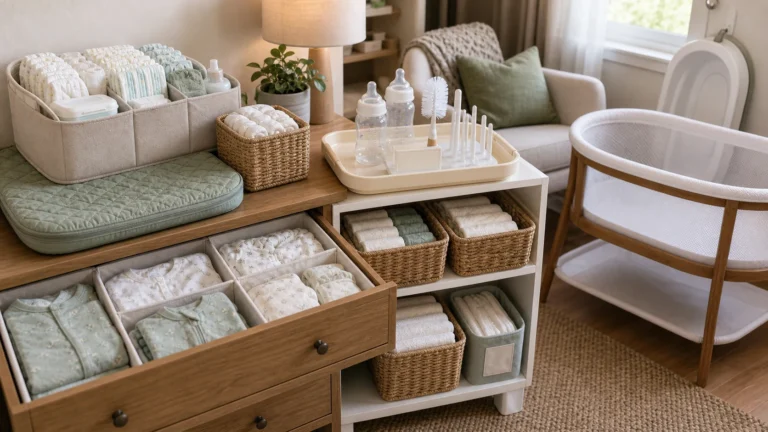
In the first month, your job is not to optimize everything. Your job is to survive the repeat cycle: feed, burp, change, sleep, wash, repeat. Keep the daily-use items close and resist opening every backup box at once.
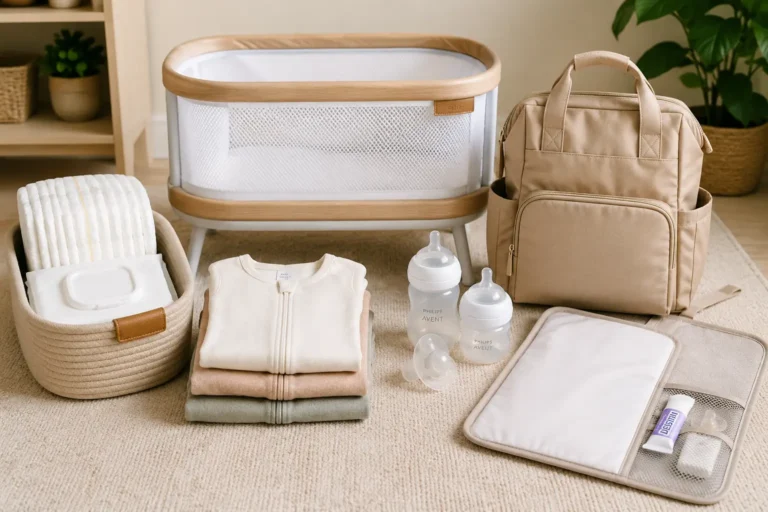
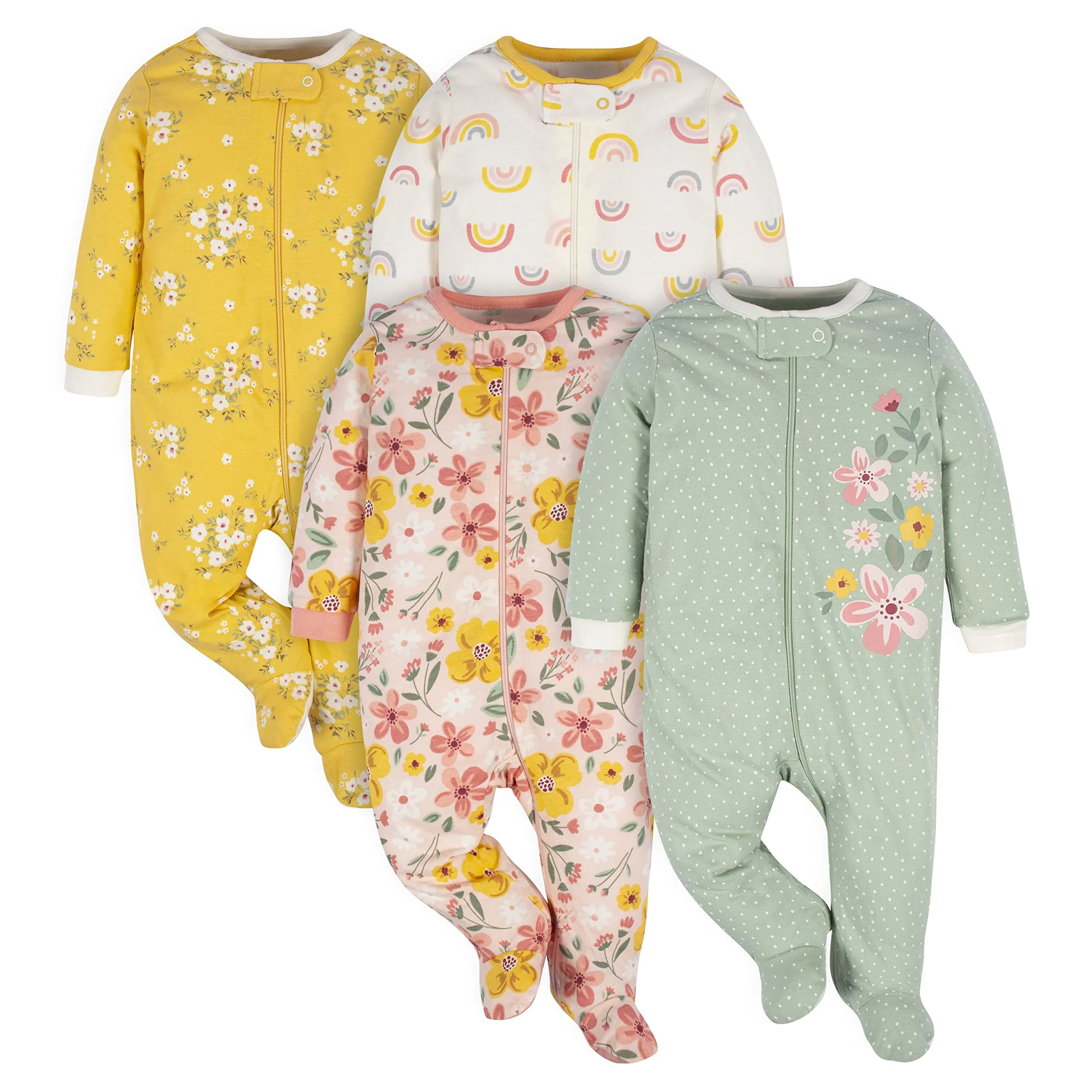
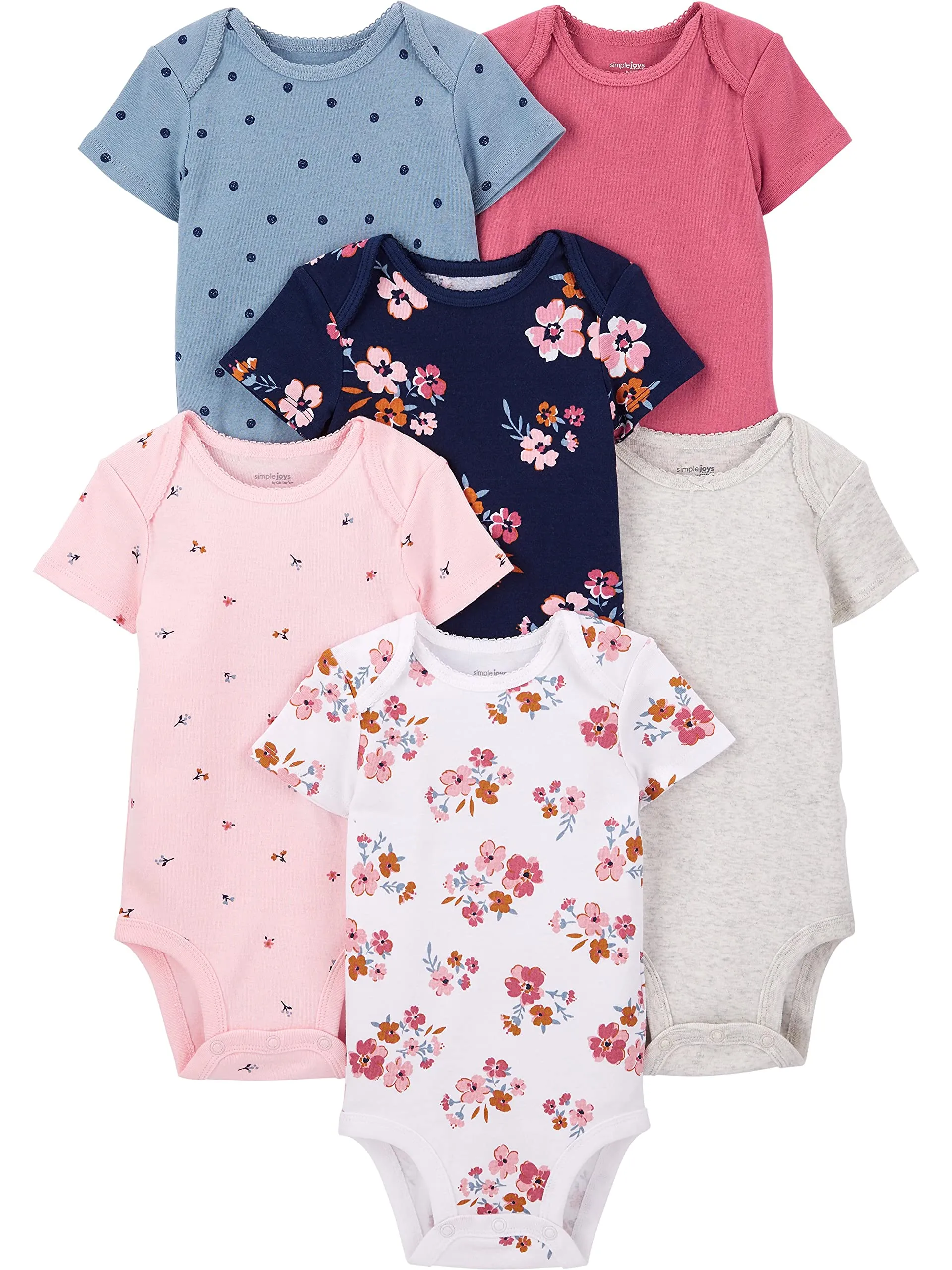
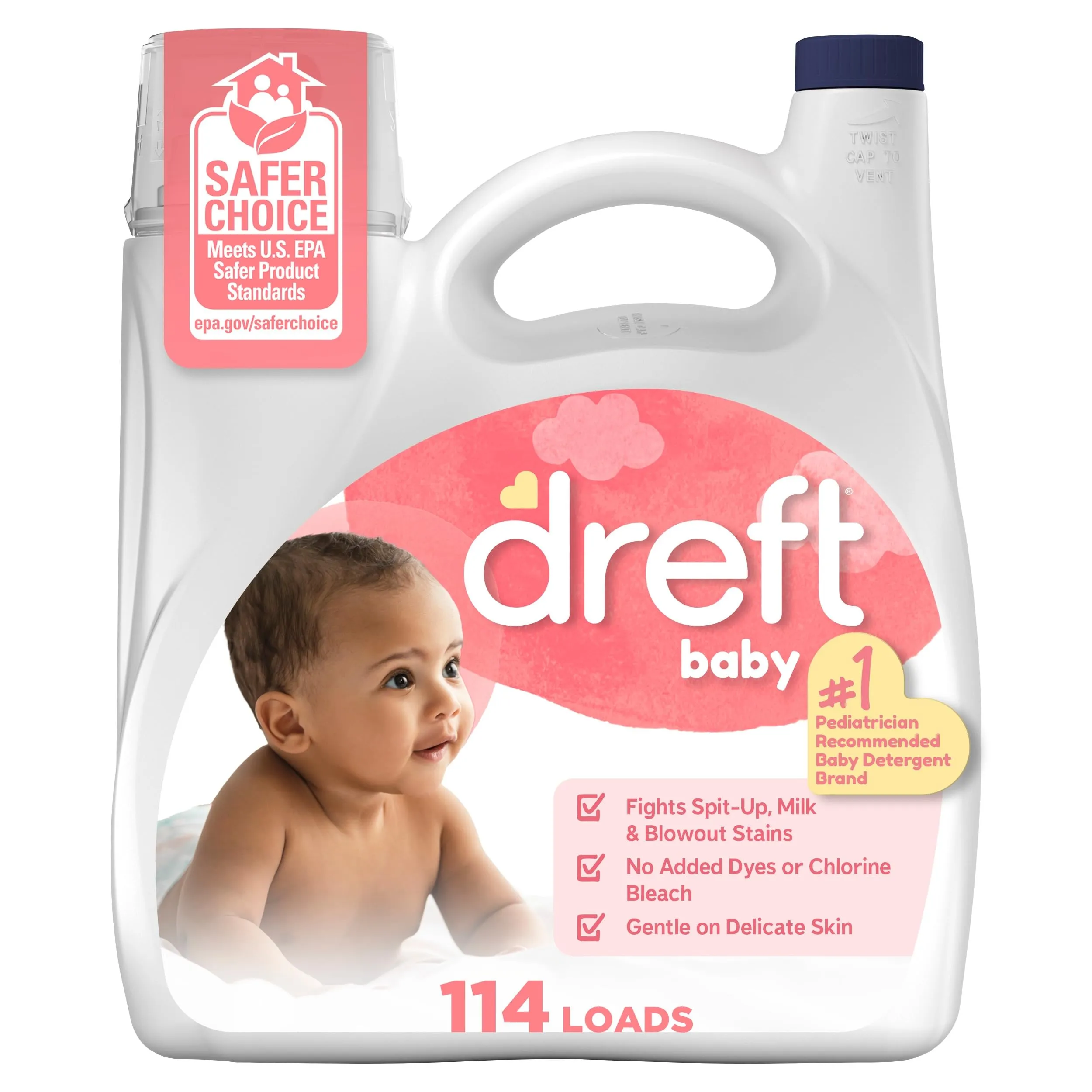
For most homes, month one essentials are diapers, wipes, diaper cream, burp cloths, a few easy sleepers and bodysuits, feeding supplies, safe sleep gear, baby laundry detergent, and bath basics. This is the same practical core from the parent Newborn Essentials page.
When you are learning how to rotate newborn essentials by month, month one is mostly observation. Which products do you reach for in the dark? Which outfits never get worn? Which supplies run out before you expected? Let that answer your next purchase.
Monthly Restock Basics
Useful Items to Review Before You Buy More
Month Two: Check Fit, Stage, and Real Usage
Month two is where a lot of families realize the newborn phase is already changing. Diapers may be close to sizing up. Sleepers may pull at the legs. Bottles, burp cloths, and laundry routines may be clearer than they were in week one.
This is the heart of how to rotate newborn essentials by month: fit comes before stockpile. If newborn diapers are almost too small, do not open another huge newborn box. If newborn clothes are getting tight, buy a few 0-3 month basics before buying another cute newborn outfit.
For a broader view of this transition, use Baby essentials for first 3 months. That page helps connect the newborn starter list with the next stage, so you are not making every buying decision from scratch.
Month Three: Retire What No Longer Fits
By month three, some products should naturally leave the main setup. Newborn diapers, tiny sleepers, certain swaddles, extra bottle styles, or duplicate organizers may not belong in the daily zone anymore.
Knowing how to rotate newborn essentials by month means you give yourself permission to retire things. If an item is too small, stage-limited, or untouched for weeks, move it to storage, donation, exchange, or a second-baby bin instead of letting it crowd the dresser.
If this is not your first baby, the Newborn essentials for second baby guide can help you decide what is worth saving, what should be replaced, and what is only taking up space because it feels sentimental.
Stage note
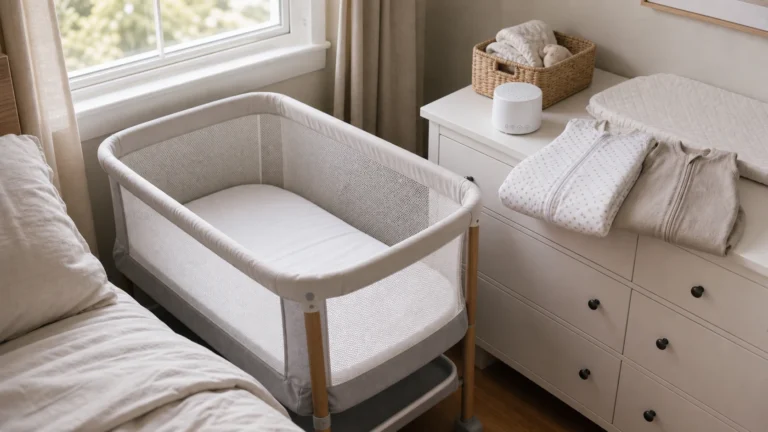
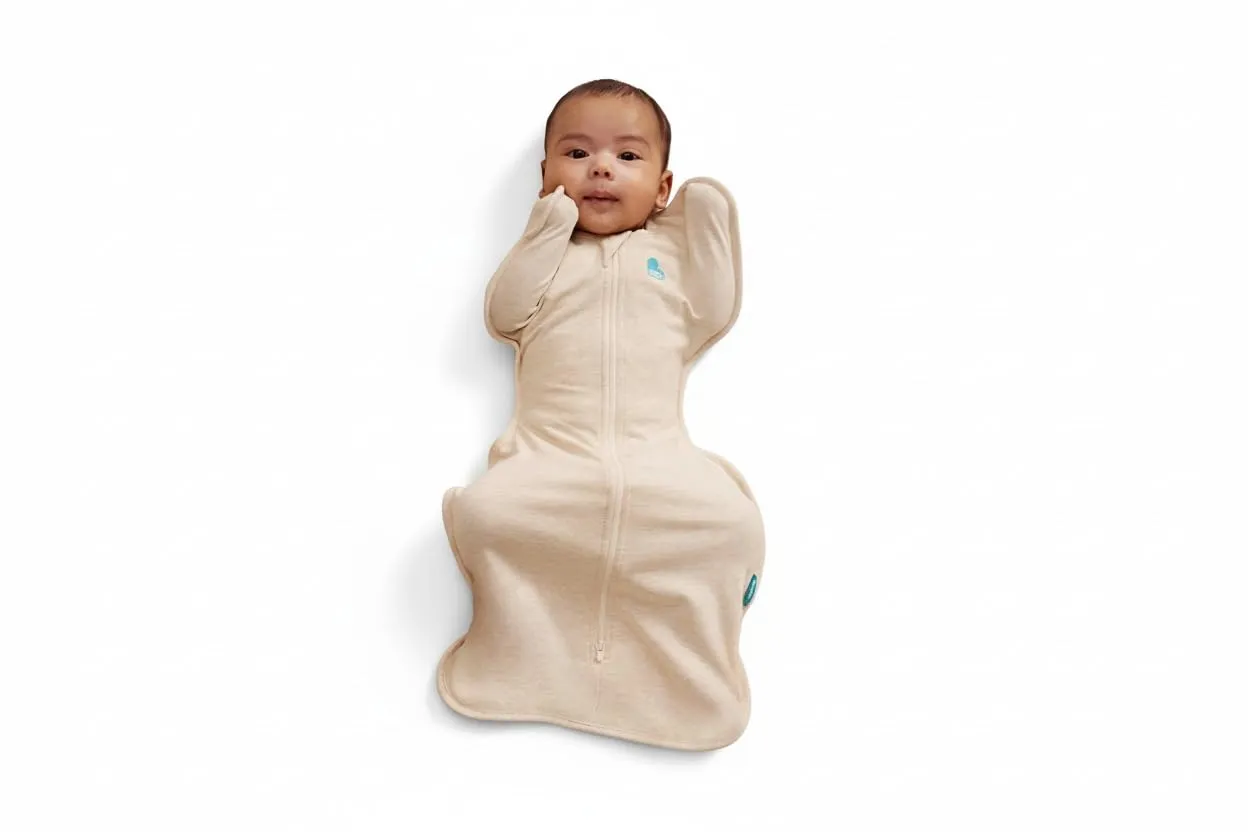
Always follow product instructions for age, weight, size, room temperature, and milestones. Swaddles, sleep sacks, bassinets, and feeding items should match your baby’s current stage, not last month’s routine.
What to Restock Each Month
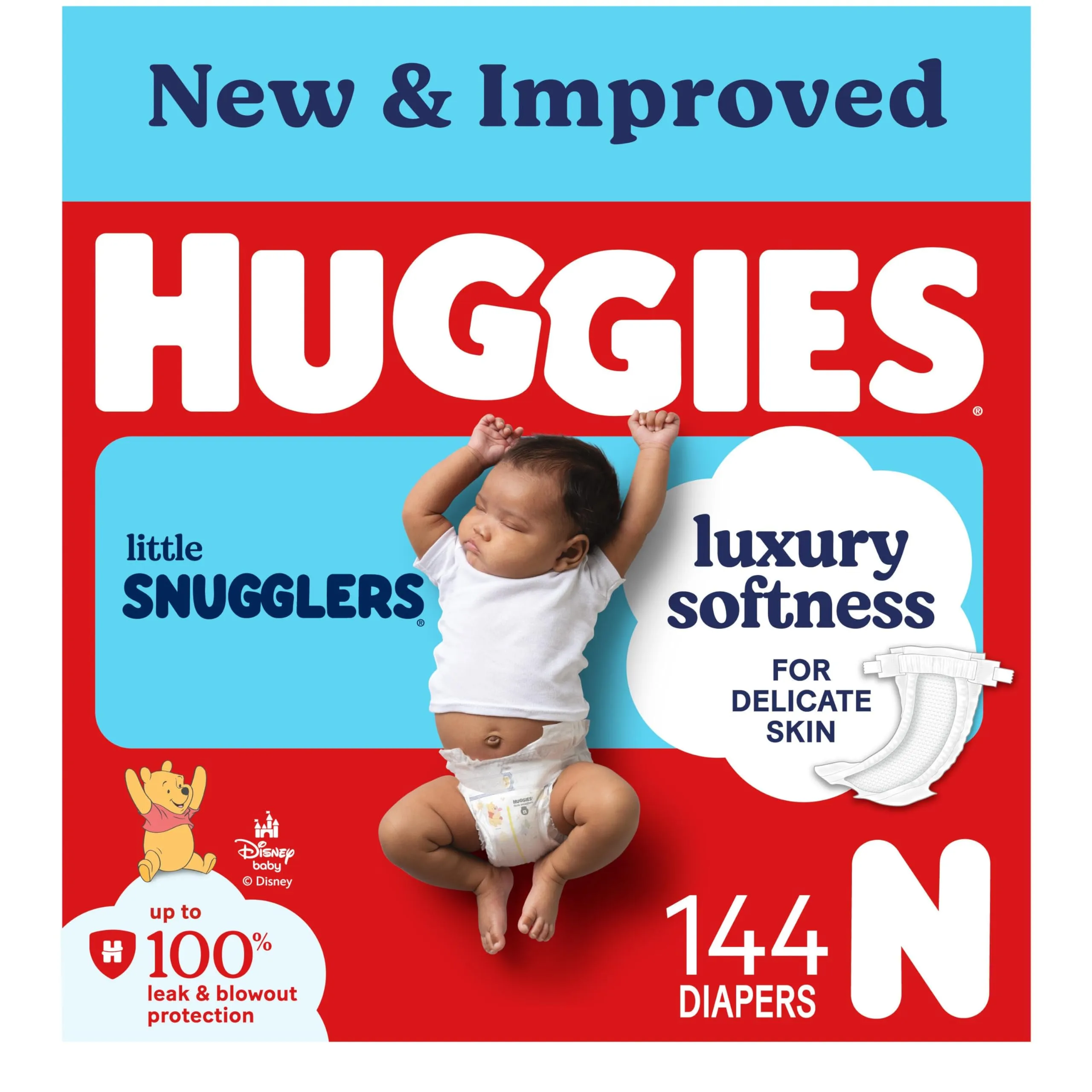
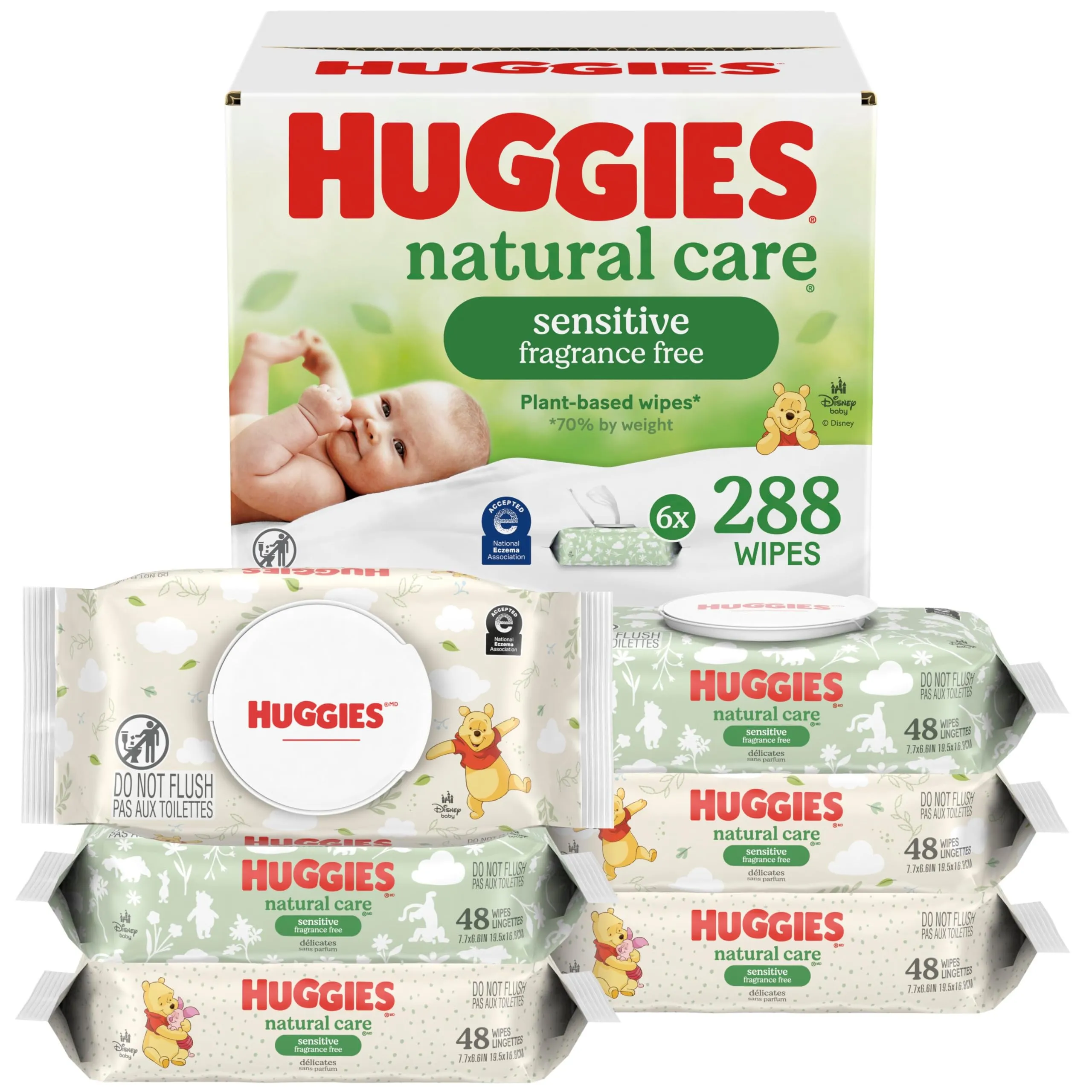
The best monthly restocks are usually consumables and current-size basics. Diapers, wipes, laundry detergent, burp cloths, and everyday clothes earn their space because they are used repeatedly.
Be slower with products that depend on preference or stage. Bottles, sleep layers, pacifiers, large furniture, and duplicate organizers should be added only when your routine proves they are needed. This is where how to rotate newborn essentials by month protects your budget.
If you prefer store-based shopping, a guide like Walmart newborn essentials can help you compare practical restocks without rebuilding the whole registry.
How to Rotate Newborn Essentials by Month in 10 Minutes
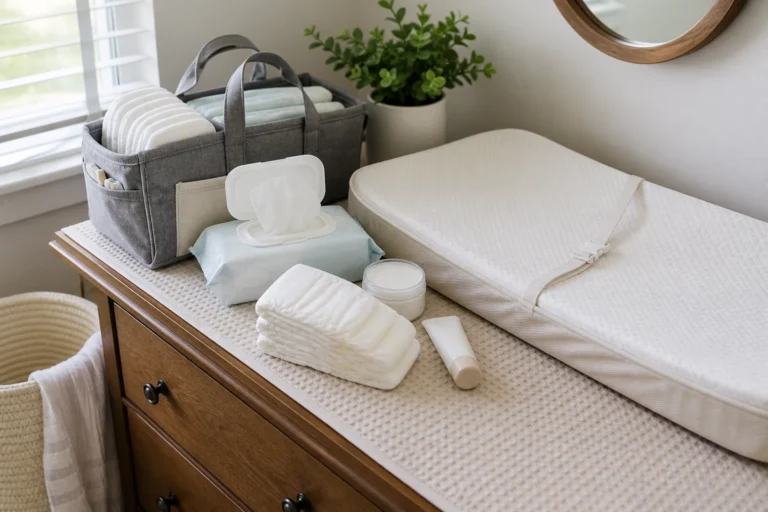
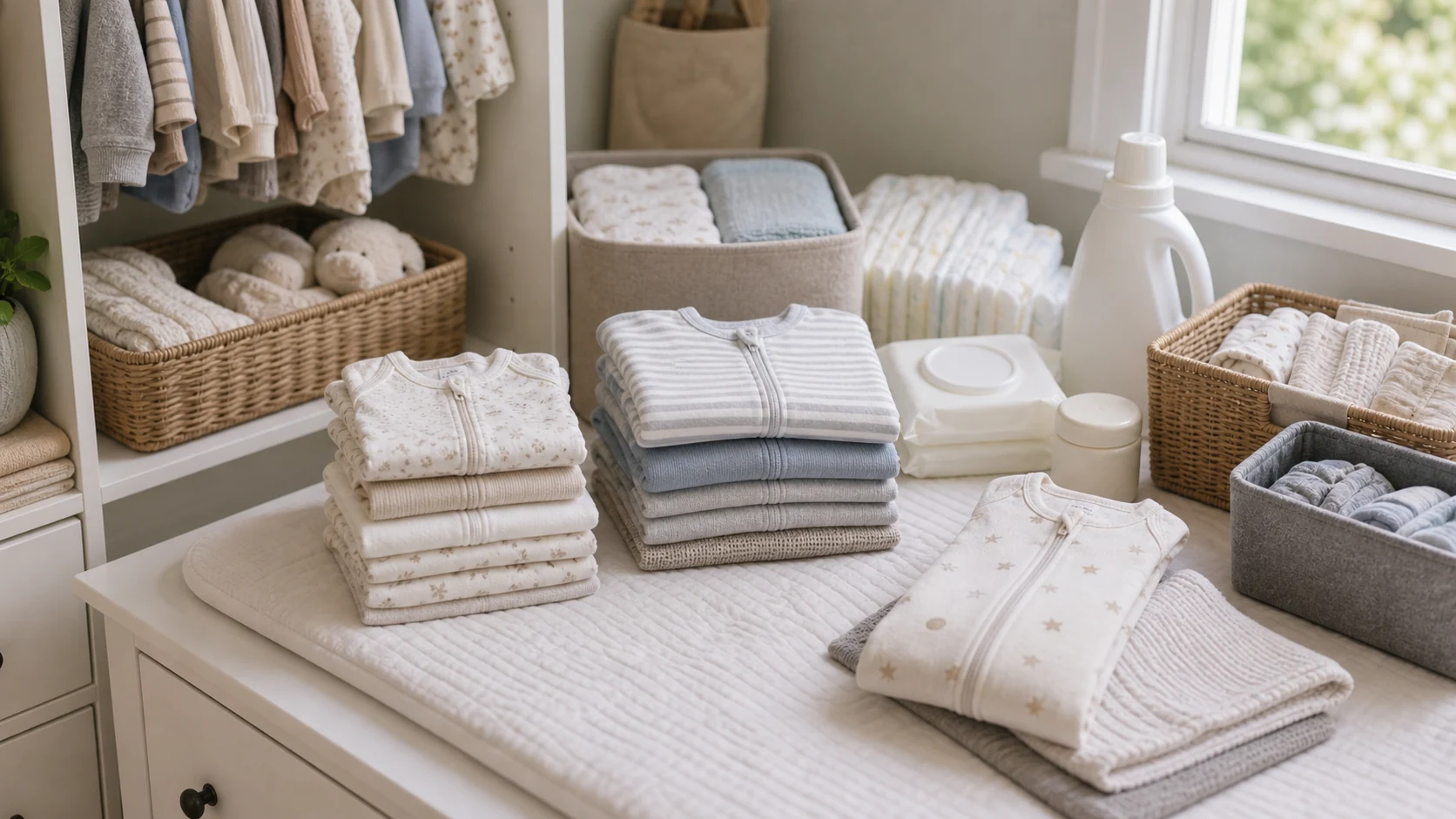
Once a month, stand near the dresser, diaper station, and feeding area with one basket. Pull out anything too small, anything no longer safe for the stage, and anything you keep moving out of the way.
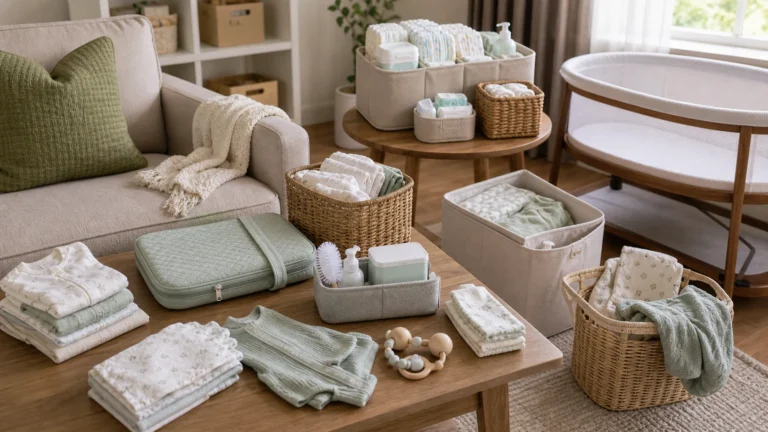
Then make three piles: keep in rotation, store for later or second baby, and donate or pass along. Write down only the items you actually need to restock. That is how to rotate newborn essentials by month without turning it into a full weekend project.
The parent Newborn Essentials list gives you the starting point. This monthly habit keeps that starting point from becoming stale as your baby grows.
How to Rotate Newborn Essentials by Month FAQ
When should I move from newborn to 0-3 month items?
Move when newborn sizes are tight, short, leaking, or no longer stage-appropriate. Fit and product instructions matter more than the calendar.
Should I keep newborn essentials for another baby?
Keep safe, clean, complete items that store well. Replace worn items, expired items, missing parts, stretched clothing, and anything no longer recommended for safe use.
What should I buy every month?
Usually diapers, wipes, laundry basics, and current-size clothes. Wait on preference-based items until you know your baby actually uses them.
What is the easiest way to remember the monthly system?
The easiest way to remember how to rotate newborn essentials by month is to keep one active size, one next size, and one storage spot. That keeps the nursery useful without letting old sizes crowd the daily setup.
Final Takeaway
How to rotate newborn essentials by month is really about staying honest with your home. Keep what your baby uses now, size up before things become uncomfortable, retire stage-limited gear, and restock only what your real routine proves you need.
The newborn stage changes quickly, but your setup does not have to feel chaotic. Start with Newborn Essentials, then let each month teach you what belongs in the next one.
More from BabyEthos
Watch BabyEthos on YouTube
Follow BabyEthos for practical baby gear tips, nursery ideas, and parent-friendly newborn essentials guides.
▶ Visit BabyEthos YouTube