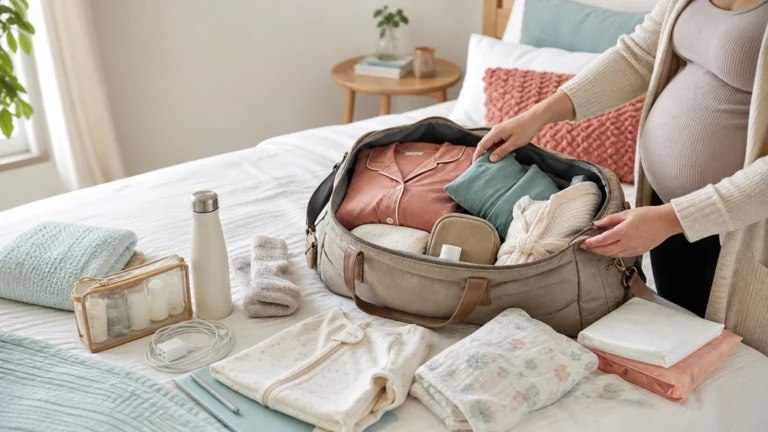
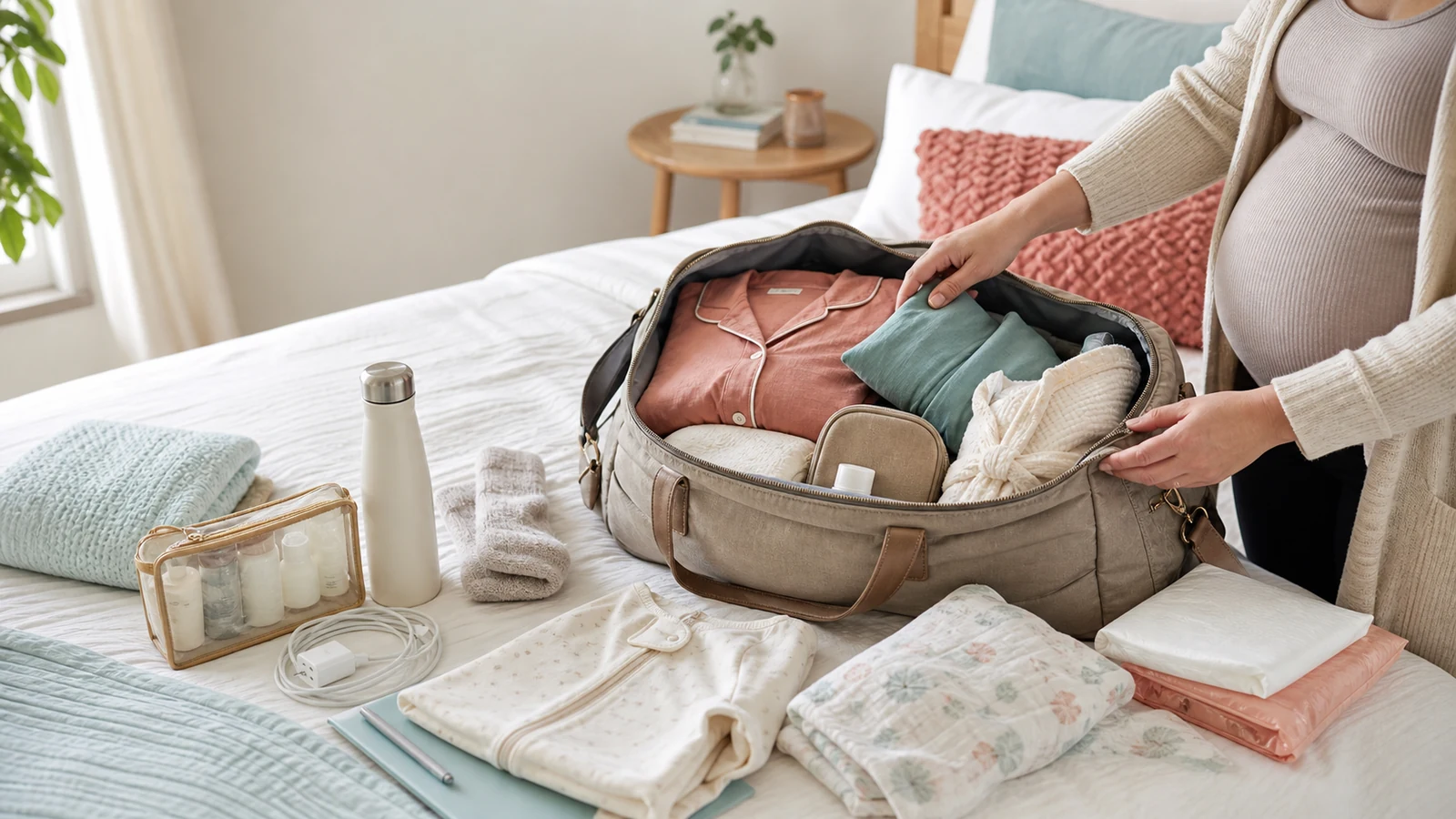
When to Pack Your Hospital Bag: The Timeline for Labor and Delivery
Disclosure: BabyEthos is reader-supported. As an Amazon Associate, we earn from qualifying purchases. This does not change what you pay.
If your late-night search is When to pack hospital bag, the short answer is this: choose the bag and gather non-daily essentials in the early third trimester, aim to be mostly packed by about 34 to 36 weeks, and keep a short last-minute list on top. Pack earlier if your clinician recommends it, you live far from the hospital, you are expecting multiples, or your delivery may be scheduled.
I learned this timing the practical way. With our first baby, I waited until the final weeks and kept borrowing things back out of the bag. With our third, we packed in layers: paperwork and baby clothes first, comfort items next, then phones and daily medication on the way out. That approach felt calmer and made the bag much easier to trust.
Medical and safety note: A packing timeline is not a prediction of when labor will begin. Follow your maternity care team’s instructions, especially if you have pregnancy complications, a history of early delivery, multiples, a scheduled induction or C-section, or new symptoms. If you think labor may be starting, contact your care team rather than delaying care to finish packing.
When to Pack Hospital Bag Essentials: The Quick Timeline
For many uncomplicated pregnancies, When to pack hospital bag essentials is less about one perfect date and more about finishing the right jobs in the right order. You can choose a bag and confirm hospital rules early without putting your toothbrush away for two months.
| Timing | What to prepare | What can wait |
|---|---|---|
| 28-32 weeks | Choose the bag, ask what the hospital provides, gather documents, make lists, and check the infant car seat. | Daily toiletries, phone, wallet, glasses, medication, and refrigerated snacks. |
| 32-34 weeks | Wash clothing, pack baby outfits, organize pouches, and buy only the missing essentials. | Frequently worn maternity clothes and the charger you use every night. |
| 34-36 weeks | Finish most of the bag, show your partner where everything is, and place it near the exit. | Last-minute personal items listed on a note. |
| Before leaving | Add phones, wallets, daily medication, glasses, current paperwork, and hospital-approved food or drinks. | Anything that does not solve an immediate admission, comfort, recovery, or discharge need. |
This timeline works best beside the complete Hospital Bag Checklist, which separates the actual essentials from optional comfort upgrades. Timing matters, but knowing what belongs in the bag matters just as much.
Think of When to pack hospital bag as a household schedule, not a countdown to labor. Each small step should make the final weeks easier without taking useful daily items out of circulation.
QUICK SHOP
Pack Early Without Packing Everything
These six practical items can be prepared ahead of time. The first three form the basic system; the remaining three are useful supporting items if they fit your hospital, commute, and routine.
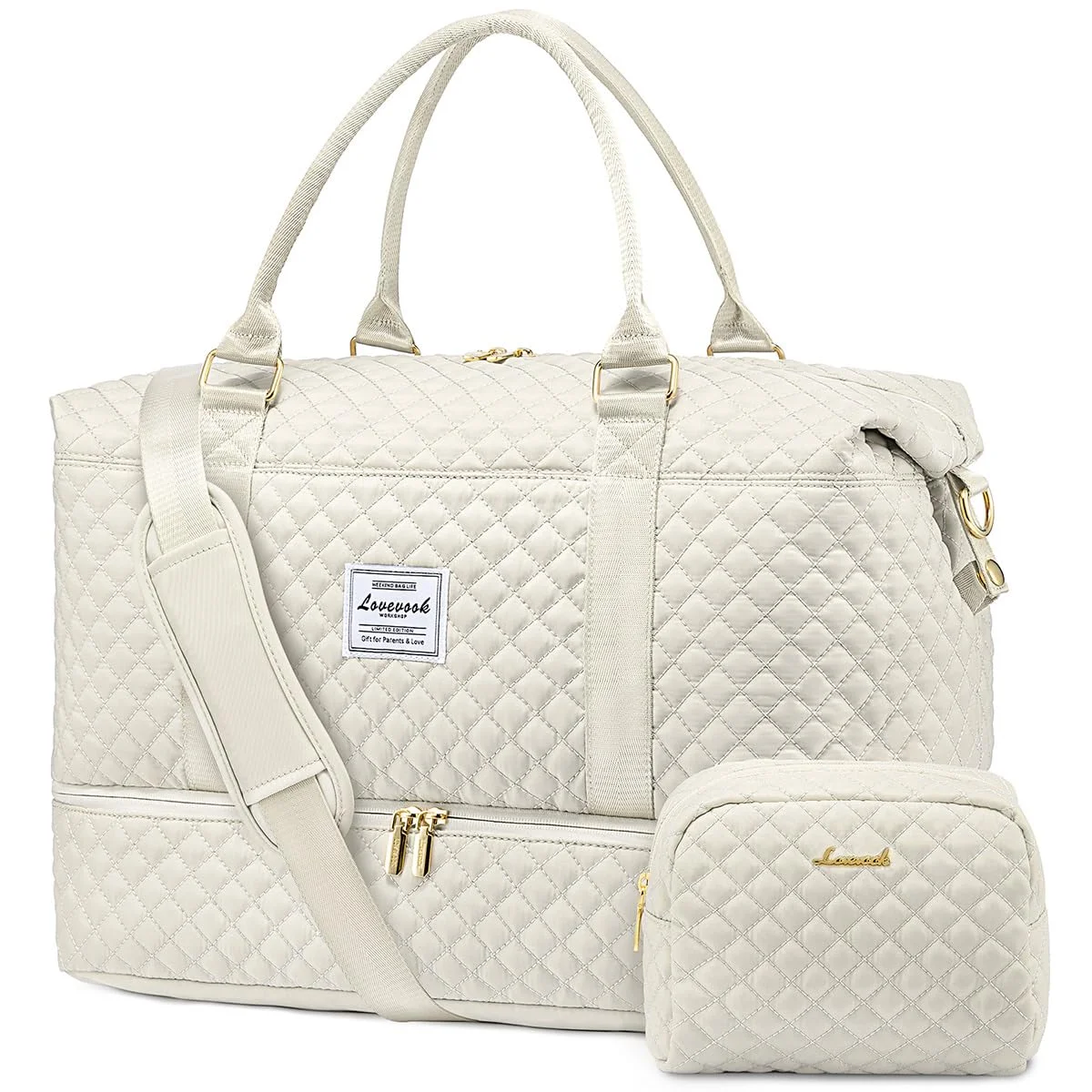
A roomy weekender duffel bag that keeps clothing, toiletries, and small labor essentials together without requiring a full-size suitcase.
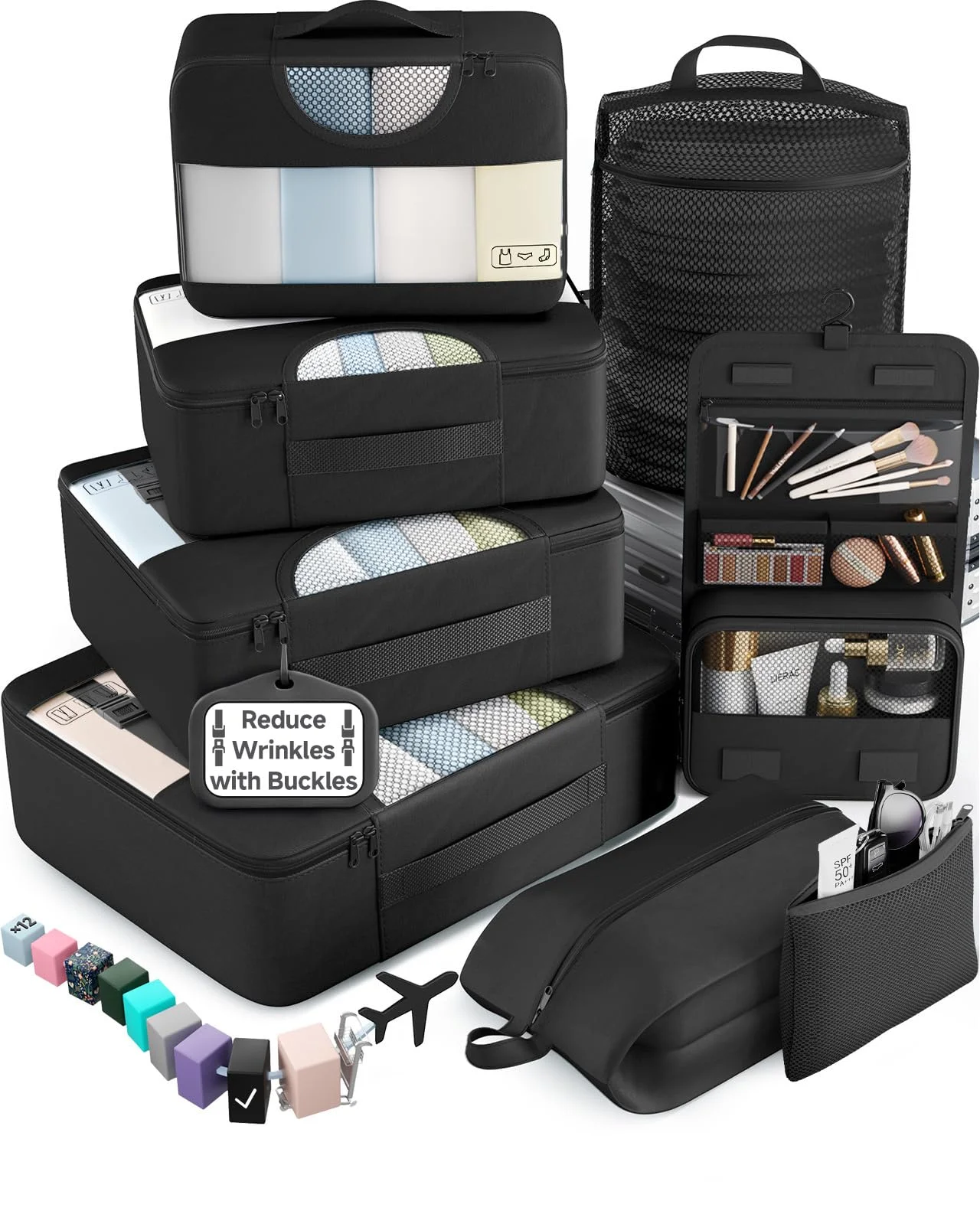
Packing cubes separate mom, baby, and partner essentials so the right pouch is easy to find in a crowded hospital room.
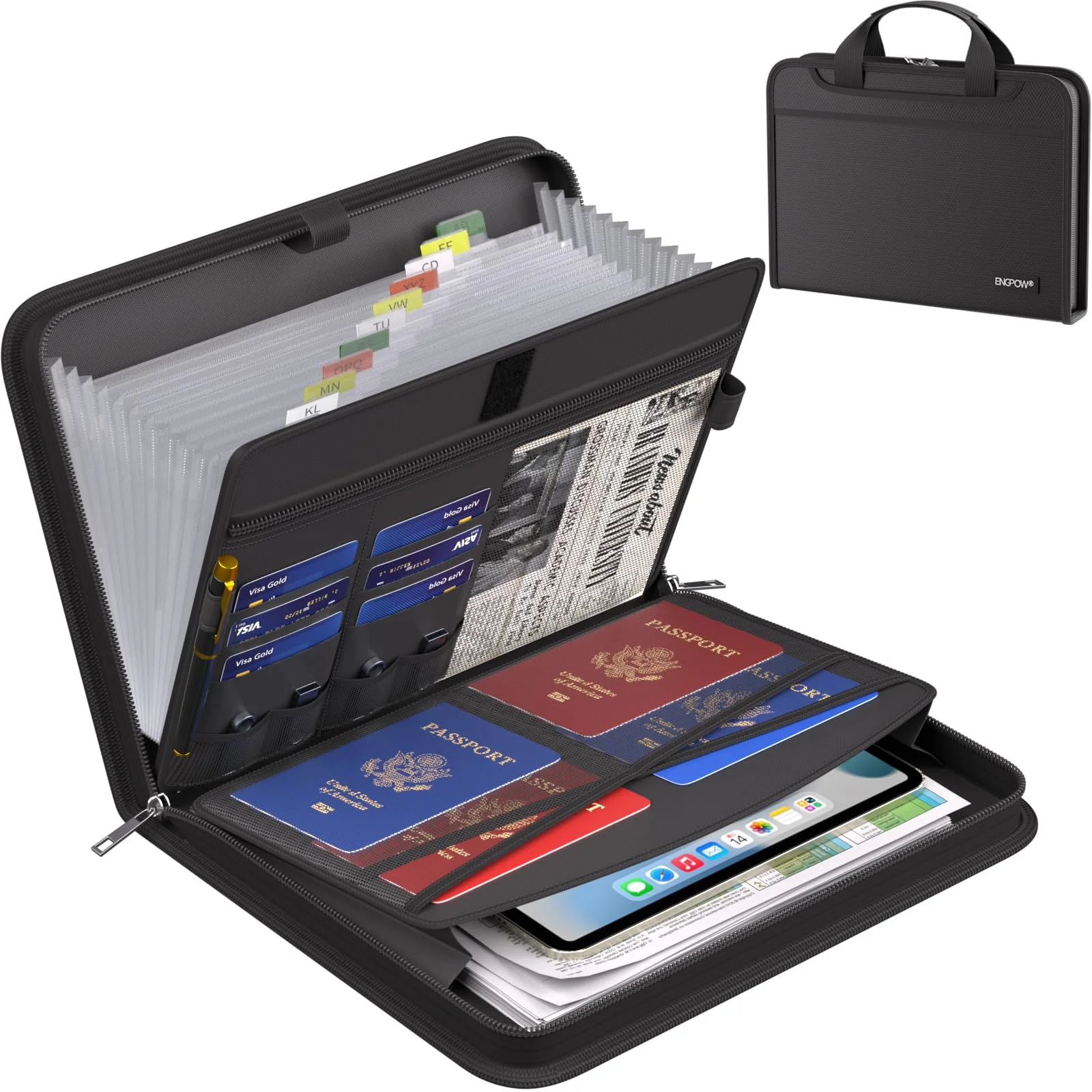
A document organizer folder keeps identification, insurance details, birth preferences, and discharge paperwork together and easy for a partner to find.
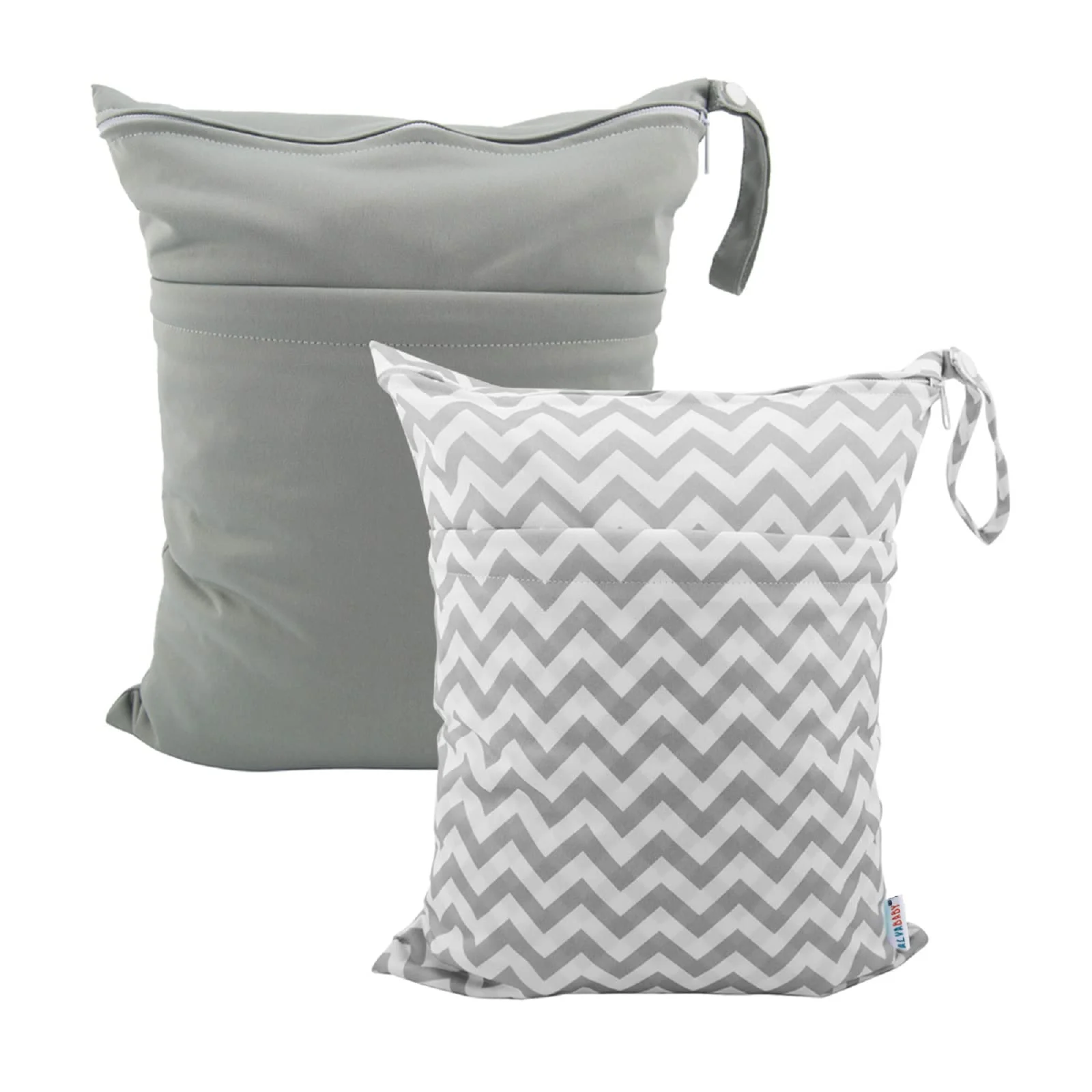
A wet dry bag gives damp clothing, used washcloths, or leak-prone toiletries a separate place for the ride home.
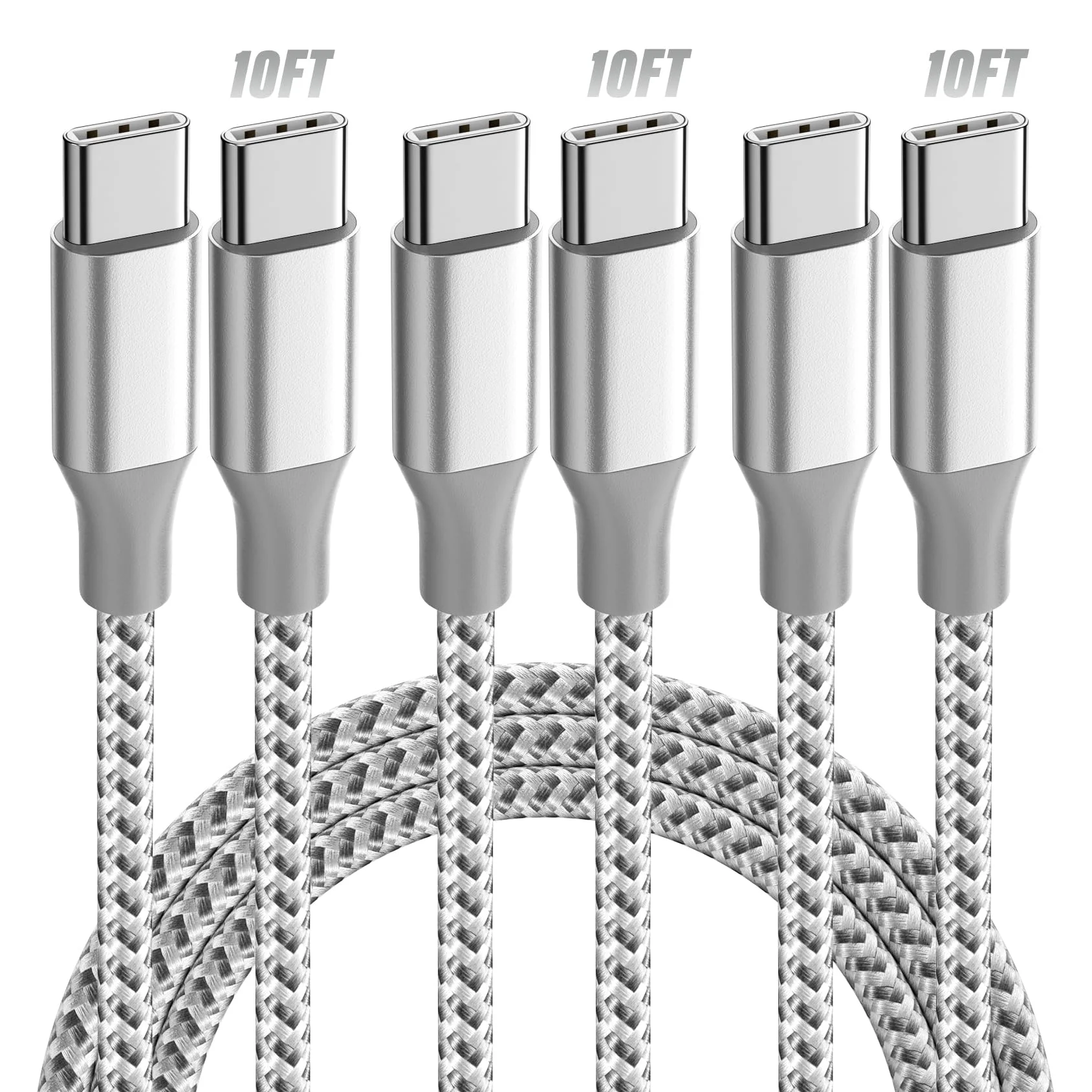
A 10-foot phone charger cable reaches outlets behind hospital beds and keeps phones available for calls, photos, and family updates.
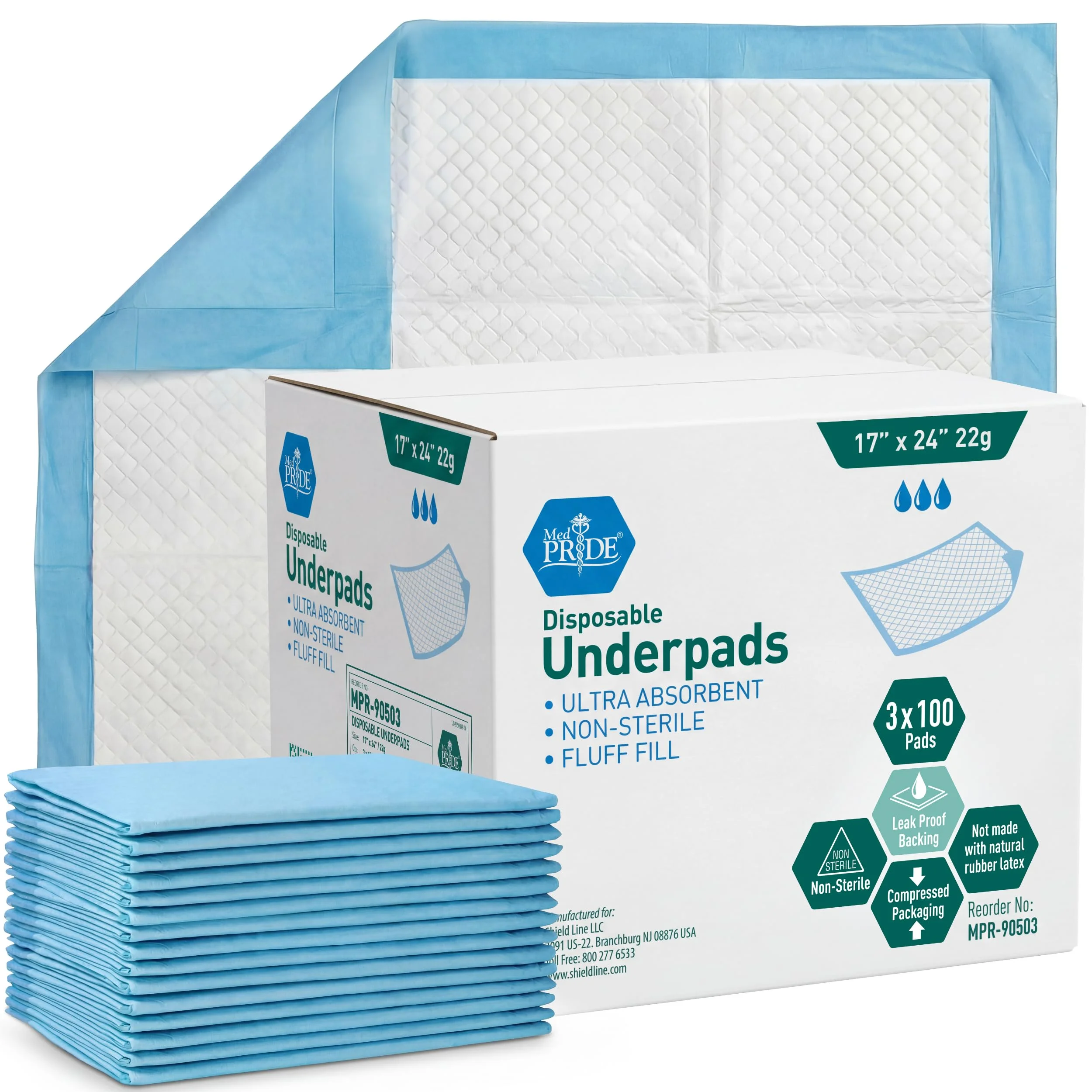
Disposable waterproof underpads protect a vehicle seat or mattress from leaks and provide a clean surface for last-minute clothing changes.
Start in the Early Third Trimester, but Keep It Light
The first answer to When to pack hospital bag supplies is not “pack every zipper immediately.” Around 28 to 32 weeks, I would do the planning jobs that do not interfere with daily life: choose the main bag, confirm where to enter the hospital after hours, ask which supplies are provided, and gather paperwork in one place.
This is also the right time to read your hospital’s admission instructions and save the labor-and-delivery phone number in both parents’ phones. The American College of Obstetricians and Gynecologists explains common signs of labor, but your own care team should tell you when to call or come in.
- Choose one main bag that both parents can carry and open easily.
- Make a paper or phone list of items you still use every day.
- Put insurance details, identification reminders, medication information, and birth preferences together.
- Check your infant car-seat instructions and complete installation before the final weeks.
- Ask what your hospital provides for labor, postpartum recovery, and newborn care.
If you are still deciding what to pack in hospital bag categories, start with admission, mom, baby, and partner. That keeps the list connected to real jobs instead of social-media packing videos.
At this stage, When to pack hospital bag means creating the system, not completing every detail. A labeled empty pouch is useful progress because it gives tomorrow’s items a destination.
Weekender Duffel Bag: Choose the Container First
A roomy weekender duffel bag that keeps clothing, toiletries, and small labor essentials together without requiring a full-size suitcase.
A medium weekender is a useful visual limit. If the basics do not fit, edit the list before choosing a larger suitcase. Look for a wide opening and handles your support person can manage while carrying other gear. The question of When to pack hospital bag items gets easier once every item has one clear home.
Aim to Be Mostly Packed by 34 to 36 Weeks
For many families, 34 to 36 weeks is the practical finish line. By “mostly packed,” I mean the bag could leave the house tonight after adding phones, wallets, medication, glasses, and perhaps a favorite pillow. Your clinician may give you a different timeline, and that advice overrides a general guide.
When friends ask me When to pack hospital bag clothing, I suggest washing and packing one labor or recovery outfit, one loose going-home outfit, and one backup. Pack baby’s first outfit and one backup too. You can use the full Hospital Bag Checklist to check the rest without turning this timing guide into another giant shopping list.
| Pack now | Leave out with a reminder | Confirm first |
|---|---|---|
| Baby outfits, robe, spare clothing, unopened toiletries, document copies, empty pouches | Phone, wallet, glasses, daily medication, favorite pillow, current charger | Hospital food rules, recovery supplies, breast-pump needs, newborn supplies |
| Partner layers, spare underwear, travel toiletries, long charging cable | Partner’s medication, keys, work phone, refrigerated food | Visitor rules, overnight accommodations, parking and entrance instructions |
Use the focused hospital bag must haves guide if you are trying to separate essentials from nice-to-haves. If feeding clothing is part of your plan, compare a general nursing bra guide with the more specific advice on choosing a nursing bra for hospital bag use.
Packing Cubes: Pack by Job, Not by Person
Packing cubes separate mom, baby, and partner essentials so the right pouch is easy to find in a crowded hospital room.
With our third baby, four simple pouches worked better than a beautifully packed pile. We used “labor,” “after birth,” “baby,” and “partner.” My husband did not need to ask where the socks were while I was focused on a contraction. When deciding When to pack hospital bag pouches, pack the categories you will not reopen at home first.
A wet-dry bag can hold damp clothing, while a long charger can stay packed early if you have another at home. If you plan to reuse a backpack after birth, this guide to a diaper bag backpack for newborn and toddler can help you decide whether one bag can serve both stages.
Reasons to Pack Earlier Than the Usual Timeline
The general answer to When to pack hospital bag items changes when your care plan changes. Earlier packing is not a reason to panic. It is simply a way to remove a household task if your schedule, distance, or medical plan makes a quick departure more likely.
- Your clinician recommends it: follow the timeline based on your pregnancy and medical history.
- You are expecting multiples: delivery may happen earlier, and your care team can help set a realistic date.
- You live far from the hospital: keep the bag and paperwork ready before long drives become tiring.
- You have a planned induction or C-section: use the scheduled date as the deadline, but finish well before it.
- You split time between homes: keep core items together instead of trusting everything will be in the right place.
The detailed hospital bag for labor and delivery guide is useful when your timeline is tied to a specific birth plan. The parent who is not giving birth should also prepare early; a realistic hospital bag for dad keeps chargers, layers, medication, snacks, and paperwork responsibilities from becoming your problem during labor.
Document Organizer: The Part I Pack First
A document organizer folder keeps identification, insurance details, birth preferences, and discharge paperwork together and easy for a partner to find.
Paperwork can be packed before pajamas. Keep copies or reminders for identification, insurance, medication information, birth preferences, pediatrician details if requested, and any hospital forms together. Do not store irreplaceable originals in a bag that may sit in a car; use the folder as an organized handoff point and add current documents close to departure.
If your concern is When to pack hospital bag paperwork, start now and review it again around 36 weeks. That small review catches changed insurance cards, updated medication lists, and instructions hidden in a patient portal.
Make a Last-Minute List Before You Need It
The best answer to When to pack hospital bag daily essentials is “do not pack them yet.” Put a visible checklist on top of the closed bag. Ours stayed short enough to scan while wearing shoes: phones, wallets, glasses, medication, keys, water, refrigerated snacks, and the baby’s installed car seat.
- Phones and the charger currently in use
- Wallets, photo identification, and current insurance information
- Prescription medication in original packaging, following hospital instructions
- Glasses, contacts, and hearing devices
- Hospital-approved drinks or refrigerated snacks
- Keys and any final paperwork
Keep a disposable waterproof underpad in the car only as a practical seat-protection option for the pregnant passenger if desired; it is not a baby sleep surface or a car-seat accessory. If your water breaks or you have concerning symptoms, follow your care team’s instructions rather than trying to complete the perfect bag.
The final answer to When to pack hospital bag items is therefore split in two: pack replaceable supplies early, and write down the daily essentials you will add while leaving. The simplest way I remember When to pack hospital bag timing is to finish the calm jobs first and leave only a short grab-on-the-way list.
Once the last-minute note is ready, revisit the Hospital Bag Checklist with your support person. They should know which pouch holds baby clothes, which pocket holds documents, and which items are waiting by the door.
FAQ
When to Pack Hospital Bag FAQ
Is 30 weeks too early to pack a hospital bag?
No. Thirty weeks is a sensible time to choose the bag, organize paperwork, wash baby clothes, and pack items you will not use daily. Keep a last-minute list for medication, phones, wallets, and everyday toiletries.
Is 37 weeks too late to pack?
It is better to pack now than feel guilty about the date. Start with identification, medication information, clothes, toiletries, a phone charger, one baby outfit, and the installed infant car seat. Ask your hospital what it already provides.
Should the hospital bag stay in the car?
Usually I would keep it inside near the exit so medication, toiletries, electronics, and clothing are not exposed to extreme heat, cold, or theft. Move it to the car when your care team tells you to leave or when your planned admission day arrives.
What if labor starts before the bag is ready?
Contact your care team and follow their instructions. Take identification, medication information, your phone and charger, basic clothes, and the infant car seat if you are told to come in. A hospital can handle essential care; the unfinished packing list is not the emergency.
The Timeline I Would Use Again
If I were preparing again, I would choose the bag around 30 weeks, finish the non-daily items by 34 weeks, and aim for a ready-to-leave bag by 36 weeks unless my clinician suggested earlier. I would put the last-minute list on top and walk my partner through the system once.
That is my honest answer to When to pack hospital bag: early enough to remove stress, but in stages so the bag still works with real life. Use the complete Hospital Bag Checklist for the final review, then let “prepared enough” be enough.
Shop Hospital Bag Picks