Newborn Bottles Not Working? Flow, Latch, Gas, and Cleanup Fixes to Try
Newborn bottles not working can make a normal feeding feel like a tiny household crisis. The baby is hungry, the bottle is ready, and somehow everything goes sideways: milk dribbles, the nipple collapses, baby gulps air, pulls away, cries, or takes forever to finish one ounce.
Before you replace every bottle in the cabinet, slow down. When newborn bottles not working is the problem, it is not always the bottle itself. Sometimes it is nipple flow. Sometimes it is latch. Sometimes it is feeding position, gas, cleanup, or a baby who is simply still learning how to coordinate sucking, swallowing, and breathing.
This guide fits inside your broader Newborn Essentials plan. We are not building a huge bottle collection. We are troubleshooting calmly so you can keep the bottles that work and replace only what truly needs replacing.
Quick Answer
What Should You Try When Newborn Bottles Are Not Working?
Start by checking nipple flow, bottle angle, latch, burping breaks, and whether the bottle parts are assembled and cleaned correctly. If your baby coughs, chokes, refuses feeds, eats much less than usual, or you are worried about weight gain, call your pediatrician.
For most families, newborn bottles not working is best solved one variable at a time, not by buying five new bottle systems at once.
Newborn Bottles Not Working: Start With Flow
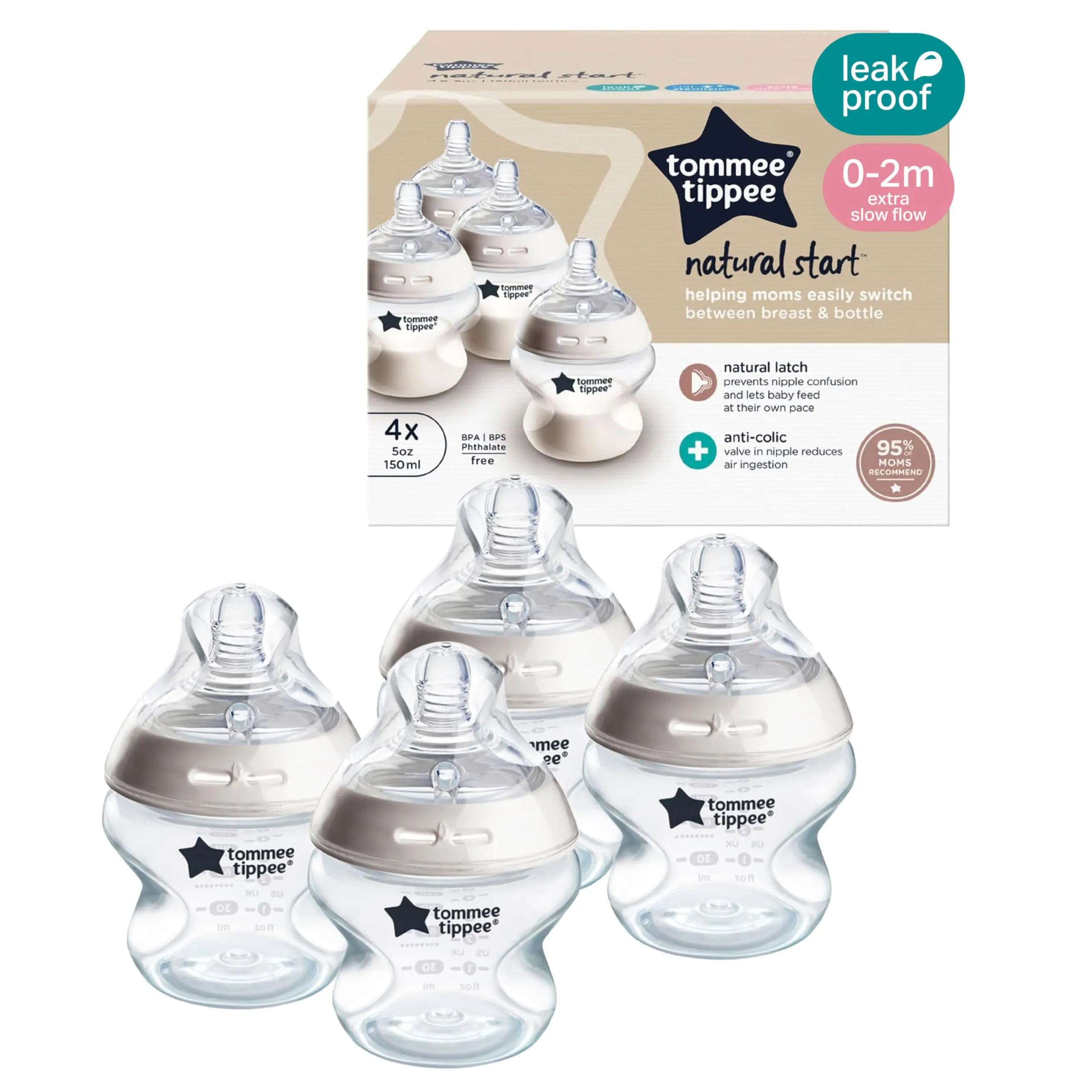
Nipple flow is the first thing to check because it can change the whole feeding. If the flow is too fast, baby may cough, gulp, dribble milk, pull away, or seem overwhelmed. If the flow is too slow, baby may get frustrated, fall asleep quickly, clamp down, or take a very long time to finish a small amount.
Many newborns do best with slow-flow nipples, but every baby is different. If newborn bottles not working started after you changed nipples, opened a new pack, or moved to a different bottle, compare the flow before blaming your baby's feeding skills.
Paced feeding can also help. Hold baby more upright, keep the bottle more horizontal, and pause often enough for baby to breathe and reset. You are not trying to rush the bottle. You are trying to make the feed feel manageable.
| What You See | Possible Issue | What to Try First |
|---|---|---|
| Milk dribbles from mouth | Flow may be too fast or latch is loose | Try slower flow and a better seal |
| Baby coughs or gulps | Flow or angle may be overwhelming | Use paced feeding and more pauses |
| Feed takes forever | Flow may be too slow | Check nipple size and venting |
| Baby pulls away crying | Gas, frustration, or flow mismatch | Burp, pause, and reset position |
| Nipple collapses | Venting or assembly issue | Recheck parts and clean tiny vents |
Newborn Bottles Not Working? Check Latch Before Replacing the Bottle
A bottle latch does not have to look exactly like breastfeeding, but baby still needs a decent seal. If the nipple is barely in baby's mouth, milk may leak out. If baby clamps on the tip, feeds may feel frustrating. If baby keeps clicking, breaking suction, or chewing, latch may be part of why newborn bottles not working keeps happening. In many homes, newborn bottles not working really means baby cannot keep a comfortable seal yet.
Try offering the bottle when baby is calm but hungry, not already frantic. Touch the nipple to the lips and let baby draw it in instead of pushing it deeply into the mouth. Small changes in timing and patience can make a surprising difference.
If your baby is regularly refusing bottles, tiring quickly, coughing, or struggling to coordinate feeds, bring it up with your pediatrician or a feeding professional. A blog post can help you organize the problem, but it cannot diagnose feeding or medical concerns.
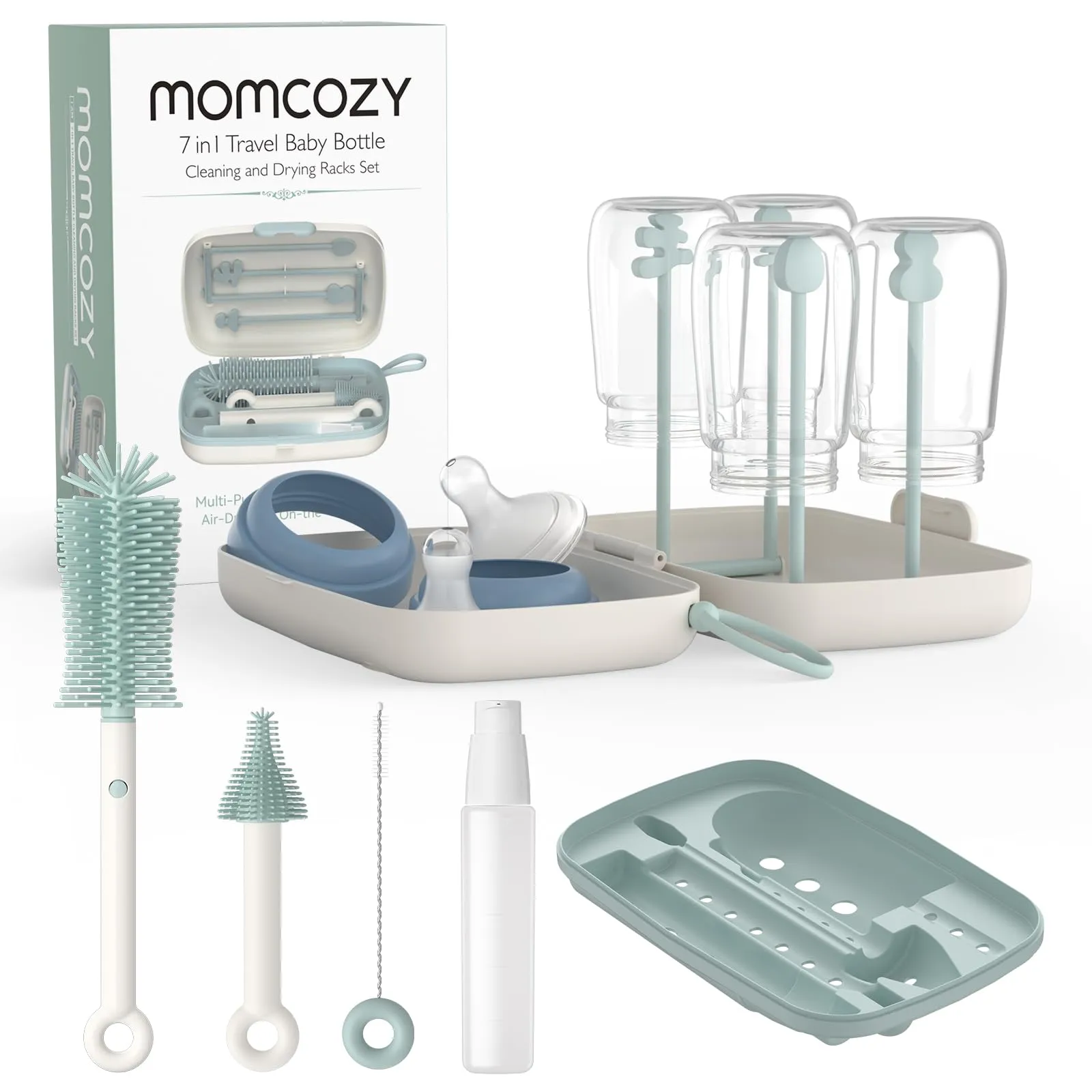
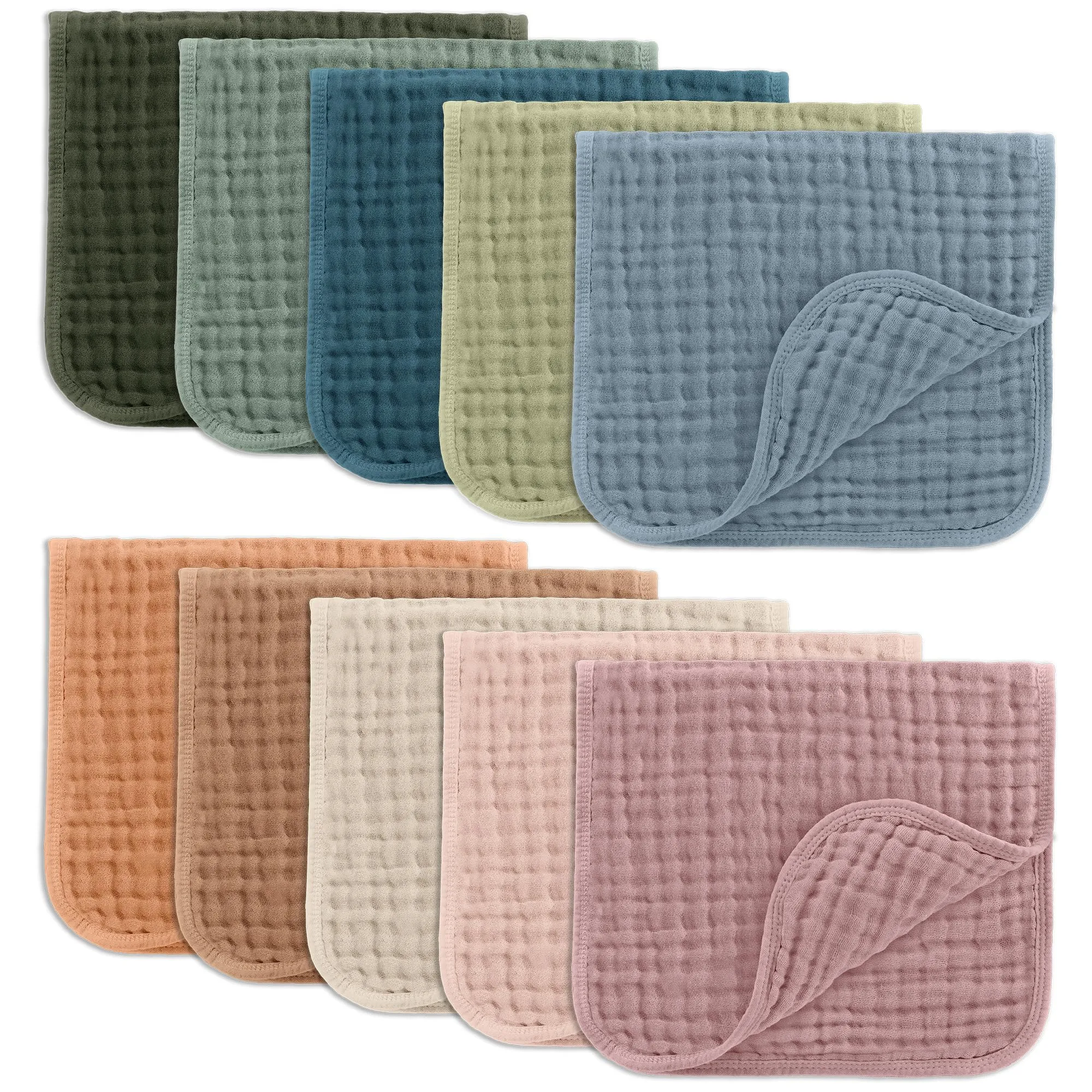
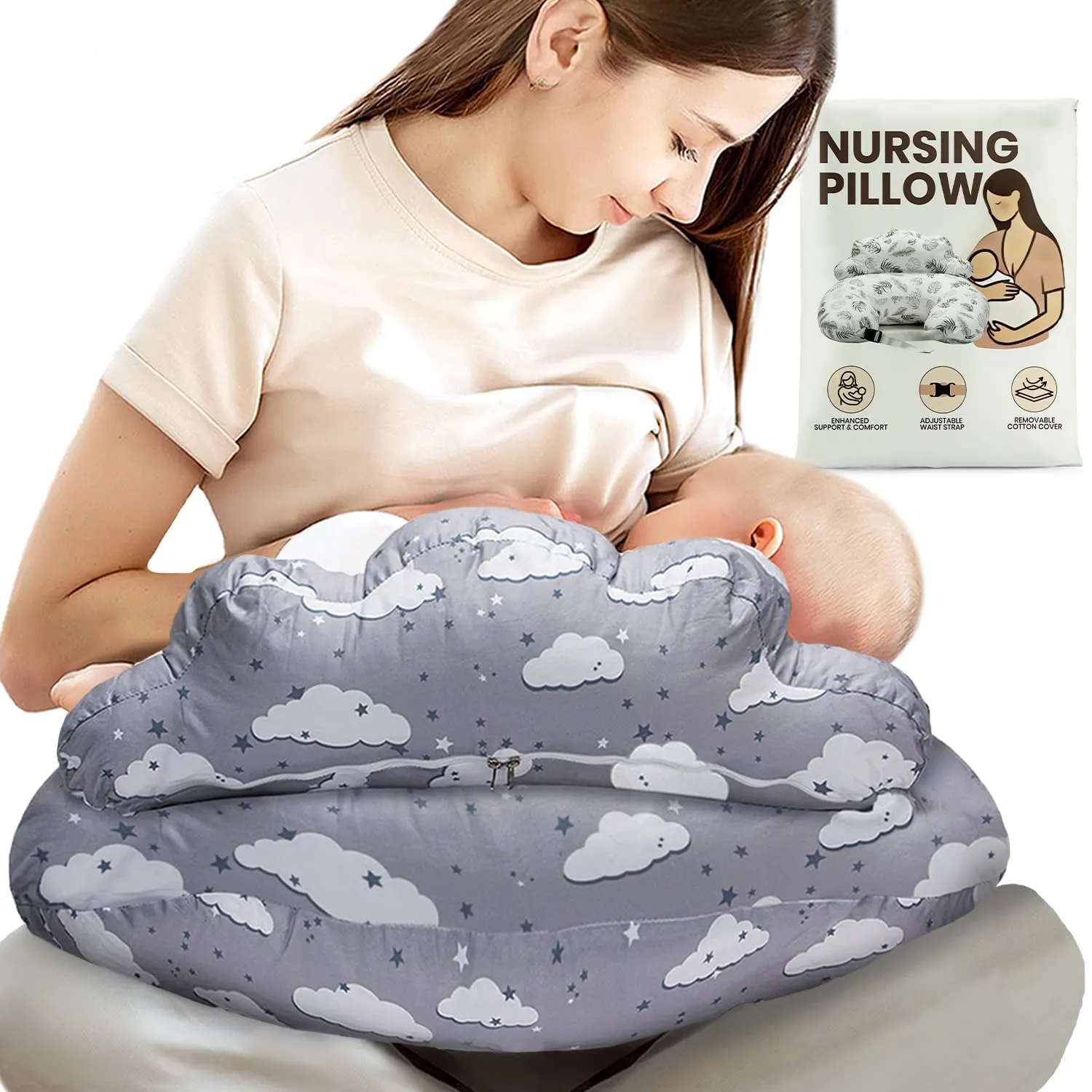
Bottle Troubleshooting Kit
Helpful Basics to Test One Change at a Time
Gas May Mean Air, Position, or Pace
Gas after bottles can make parents blame the whole bottle cabinet. Sometimes that is fair, but not always. A baby can swallow extra air from a fast flow, a loose latch, a bottle held too vertically, or a long stretch without burping.
If newborn bottles not working looks like squirming, gulping, back arching, or uncomfortable burps, try smaller pauses. Burp between ounces, keep baby more upright, and check whether the nipple stays full enough to avoid extra air without pouring milk too quickly. When newborn bottles not working shows up as gas, the answer is often pace before purchase.
An Anti Colic Bottle can help some families, especially when venting is the issue, but it is not magic. If gas is a repeated problem, the Baby gas after bottle feeding guide can help you separate normal burps from patterns worth discussing with your pediatrician.
Clean and Assemble Every Tiny Part
Sometimes newborn bottles not working comes down to a tiny part. A vent piece may be missing. A nipple may be clogged. A ring may be too loose or too tight. A valve may not be seated correctly. One small piece can turn a normal feed into leaking, collapsing, or weird flow.
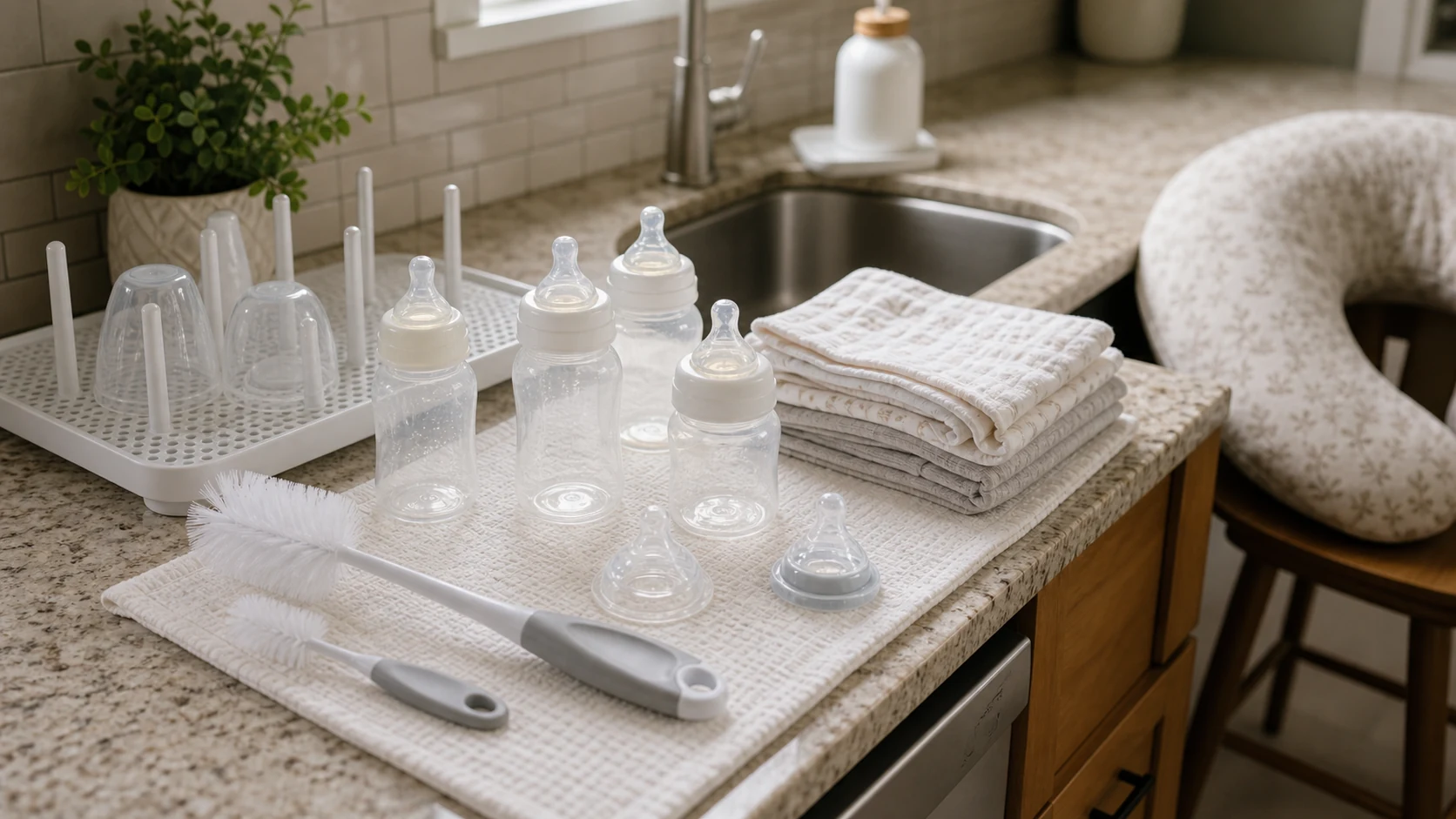
Take one bottle apart fully and compare it with the instructions. Wash the nipple, collar, bottle, and any venting pieces. A bottle brush set can be more useful than a regular kitchen sponge because nipples and small vents need their own attention. If newborn bottles not working happens only with one bottle, cleaning and assembly are especially worth checking.
Set up a clean feeding zone so you are not rebuilding bottles while exhausted. The How to set up newborn feeding station guide is helpful if bottle parts, burp cloths, and drying pieces are taking over the counter. It is the feeding-side version of keeping your Newborn Essentials reachable instead of scattered.
Do Not Buy Every Bottle at Once
When newborn bottles not working makes every feed feel stressful, buying a bunch of replacements is tempting. I get it. The late-night shopping cart starts looking like a problem-solving tool.
But babies can reject bottle shapes for reasons that are hard to predict. Start with one small set or one new nipple flow before committing to a full system. Keep notes for a day or two: flow, leaking, gas, how long the feed took, and whether baby seemed calmer.
This same rule applies across newborn gear. If you ended up with Too many newborn diapers, you already know how quickly a “good deal” can become storage. A practical Newborn Essentials plan leaves room for your real baby's preferences.
Feeding safety note
Call your pediatrician if your baby is coughing or choking during feeds, refusing feeds, eating much less than usual, having fewer wet diapers, showing breathing trouble, or not gaining weight as expected.
Watch the Aftermath: Spit-Up, Laundry, and Sleep
Bottle issues rarely stay in one category. If feeds are messy, you may suddenly have more burp cloths, sleepers, and swaddles in the laundry. If baby swallows extra air, naps may get choppier. If you are changing clothes after every bottle, your whole newborn rhythm can feel off.
That does not mean the bottle caused every problem, but it is worth watching patterns. If messy feeds are creating piles of milk-stained clothes, the How to wash newborn clothes guide can help with the cleanup side. If feeding frustration is spilling into naps, you may also want to look at Newborn sleep setup not working.
Gear troubleshooting is usually quieter than parents expect. It is one small adjustment, then another. The same patience helps with other baby gear, whether a bottle vent is confusing or a Non WiFi baby monitor pan tilt not working problem needs a calm reset before replacing the device.
A Simple Bottle Reset for Tonight
If newborn bottles not working is happening right now, do not overhaul everything at once. Pick one clean bottle. Confirm every part is assembled correctly. Use the slowest appropriate nipple you have. Feed baby more upright. Pause often. Burp early. Watch what changes.
If baby does better, you learned something. If nothing improves, change one variable next time: nipple flow, bottle shape, feeding position, or timing. That is how you avoid turning a frustrating night into a cabinet full of bottles you still do not trust. Newborn bottles not working is easier to solve when you can remember what changed.
The best Newborn Essentials setup is not the one with every bottle option. It is the one that helps your real baby feed safely, calmly, and consistently.
Newborn Bottles Not Working FAQ
How do I know if the bottle nipple flow is too fast?
Signs can include coughing, gulping, milk dribbling, pulling away, or seeming overwhelmed. Try a slower flow and more paced feeding pauses.
Should I switch bottles if baby is gassy?
Maybe, but check flow, latch, bottle angle, burping breaks, and vent assembly first. If gas is persistent or severe, ask your pediatrician.
How many bottle types should I buy?
Start small. One starter set and perhaps one alternate nipple flow is usually more useful than buying many bottle systems before you know what your baby accepts.
Final Takeaway
Newborn bottles not working is frustrating, but it is often fixable with a calmer process: check flow, latch, position, gas, assembly, and cleaning before replacing everything. Change one thing at a time, watch your baby's cues, and involve your pediatrician whenever feeding seems unsafe, unusually difficult, or worrying.
You do not need a cabinet full of bottles. You need a bottle setup your baby can actually use.
More from BabyEthos
Watch BabyEthos on YouTube
Follow BabyEthos for practical baby gear tips, nursery ideas, and parent-friendly newborn essentials guides.
▶ Visit BabyEthos YouTube