Newborn Clothing Essentials 2026: Onesies, Sleepers, Layers, and What to Skip
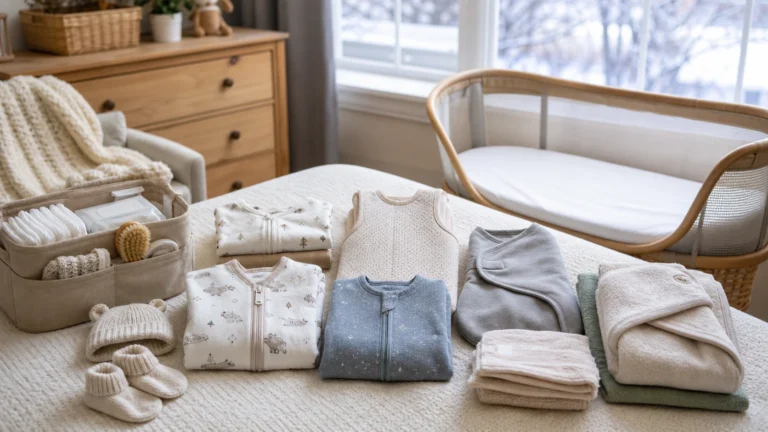
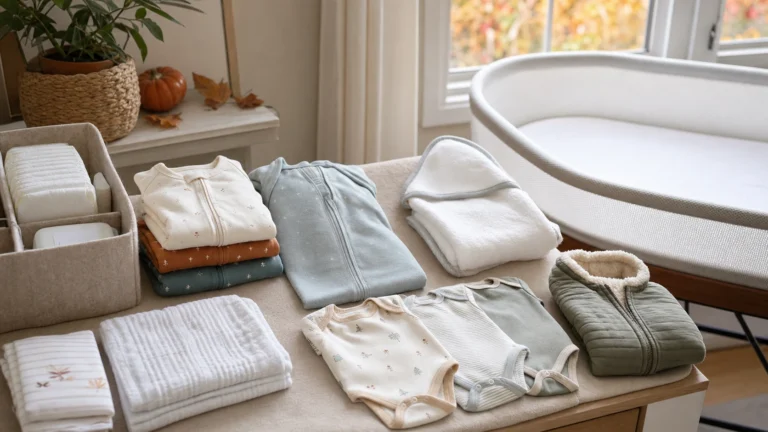
Newborn clothing essentials are the everyday pieces you will reach for during diaper changes, night feeds, spit-up cleanups, and quick outfit swaps. For most families, that means zipper sleepers, simple bodysuits, a few season-appropriate layers, and enough backups to get through messy days without filling every drawer before baby arrives.
This clothing guide fits inside our larger Newborn Essentials setup. The goal is not to build a perfect tiny wardrobe. The goal is to choose clothes that are easy to put on, easy to change, easy to wash, and realistic for the first weeks at home.
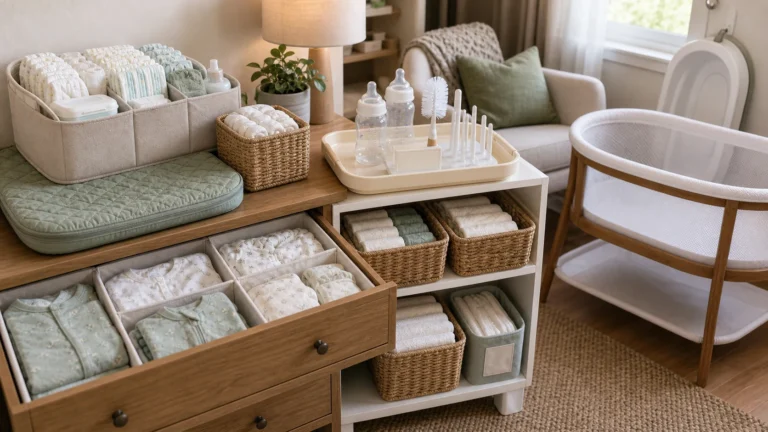
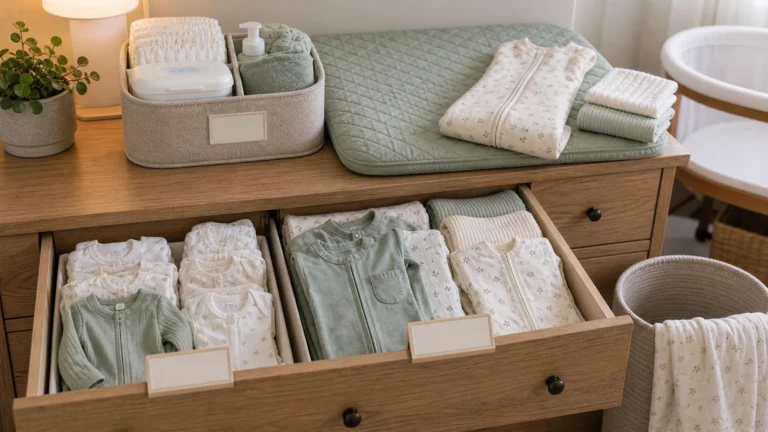
If you are still setting up the rest of the nursery, keep clothing decisions connected to your Newborn nursery essentials plan. A small dresser, drawer dividers, or one simple basket can work better than buying too many outfits too early.
What Newborn Clothing Essentials Should You Buy First?
The most useful newborn clothing essentials are zipper sleepers, short-sleeve or long-sleeve bodysuits, a small number of socks or booties if sleepers are not footed, and one or two weather-appropriate layers.
Skip baby shoes, stiff outfits, complicated buttons, and a huge newborn-size stash. Start with practical clothes in newborn and 0-3 month sizes, then adjust after you know your baby’s size and laundry rhythm.
Quick Shop
Newborn Clothing Basics to Prepare First
These two clothing categories do the most work in the first weeks: easy sleepers for day and night, plus bodysuits for layering and warm rooms.
Newborn Clothing Essentials: Buy First, Wait, or Skip
Newborn clothes should make repetitive care easier. A cute outfit that takes five minutes to button may be worn once. A soft sleeper with a simple zipper may be worn again and again because it works during naps, feeds, diaper changes, and sleepy nights.
| Clothing Item | Buy Before Baby Arrives? | Best Use |
|---|---|---|
| Zipper sleepers | Yes | Day, night, and fast diaper changes. |
| Bodysuits | Yes | Base layers, warm rooms, and under sleepers. |
| Socks or booties | Maybe | Useful if sleepers are not footed. |
| Seasonal layer | Yes, if weather calls for it | Cool mornings, fall outings, winter layering, or air-conditioned rooms. |
| Fancy outfits | Wait or buy 1 | Photos or special visits, not everyday care. |
| Baby shoes | Skip for most newborns | Not needed for babies who are not walking. |
For the full at-home setup, place clothing next to the rest of your Newborn Essentials list instead of treating the wardrobe like a separate shopping project.
Zipper Sleepers Do the Most Work
Zipper sleepers are often the backbone of a newborn wardrobe because they cover the body, simplify diaper changes, and work for both day and night. Footed sleepers can also reduce the need for separate socks, which tend to disappear quickly.
The Gerber sleeper set in this guide is a 4-pack of long-sleeve one-piece footies. The product data notes cotton jersey fabric, a zip front, built-in footies, and fold-over mitten cuffs on select sizes. Those details matter because newborn clothing gets washed often and changed even more often.
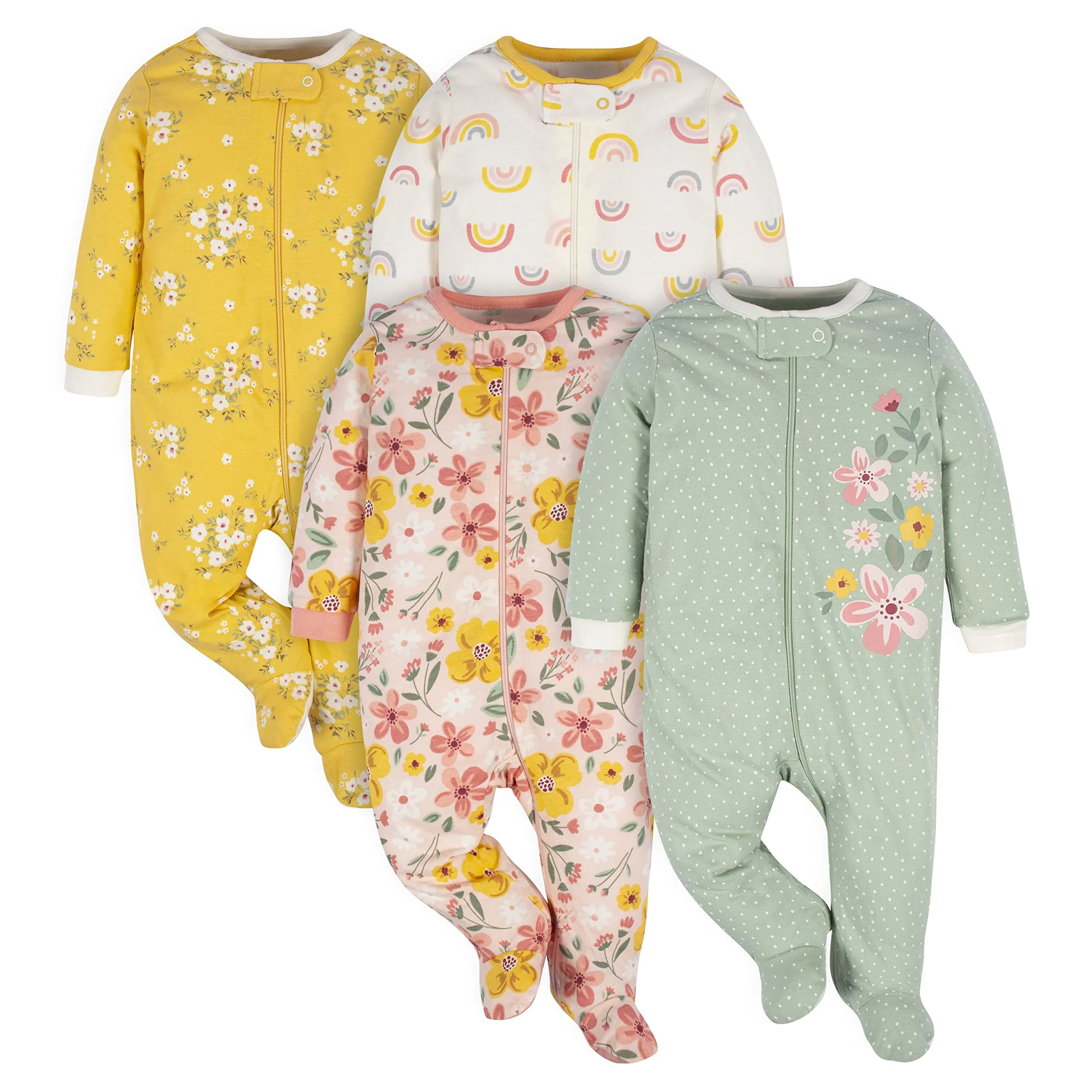
Newborn Zipper Sleepers
A practical sleeper set for day, night, and frequent diaper changes.
Check Price on AmazonBodysuits Are Your Everyday Base Layer
Bodysuits are the simple layer that makes the rest of the outfit easier. They can be worn alone in warm rooms, under sleepers in cooler rooms, or with soft pants during daytime. Short sleeves are useful for layering, while long sleeves may make more sense for cooler seasons.
The Simple Joys by Carter’s bodysuit pack in this guide is a multi-pack with soft fabric, expandable shoulders, strong snaps, and a tagless design noted in the product data. For newborn life, those details are more useful than decorative extras because the clothes need to survive repeat diaper changes and laundry.
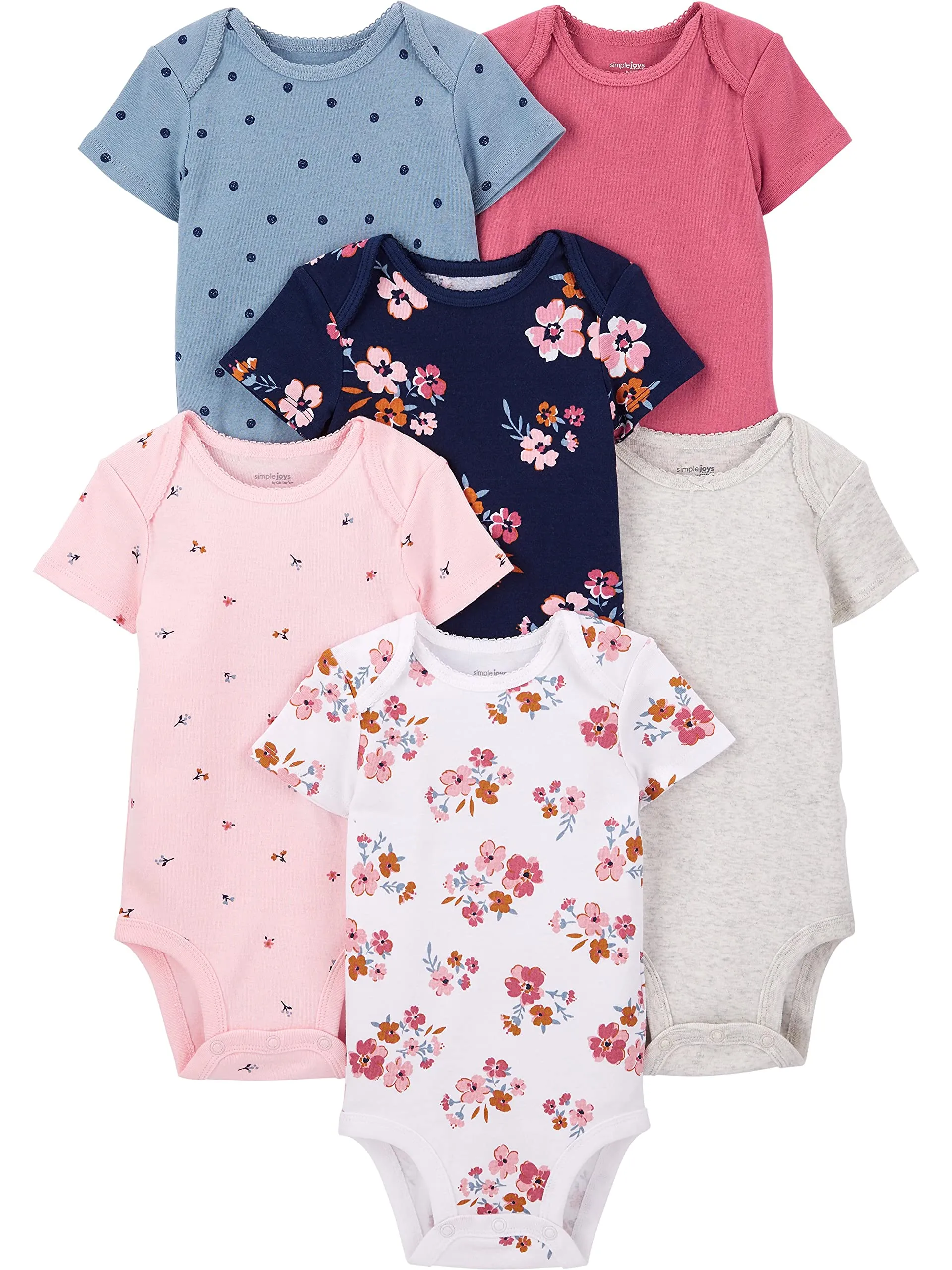
Baby Onesies Bodysuits
A simple bodysuit pack for everyday base layers and warm-room outfits.
Check Price on AmazonHow to Handle Newborn and 0-3 Month Sizes
The biggest clothing mistake is buying too much in one size before you know your baby’s length, weight, and growth pattern. Some babies wear newborn size for weeks. Others barely fit it. That is why the safest starter plan is a modest mix of newborn and 0-3 month basics.
If you are trying to calculate exact quantities, use our separate guide on how many newborn clothes you need. This article is about the types of clothing that deserve space first: sleepers, bodysuits, and a few layers that match your home and season.
Fit note
Keep tags and receipts when possible. Newborn clothing should be snug enough to stay in place, but not so tight that it pulls at the shoulders, compresses the diaper area, or makes dressing difficult.
Seasonal Layers Without Overbuying
Seasonal clothing depends on your climate, due date, indoor temperature, and how often you leave the house. A baby born in mild weather may only need sleepers, bodysuits, and one light layer. A baby born into cooler months may need warmer sleepers, a soft hat for supervised outings, and a few easy layers for the car-to-house transition.
Fall babies often need flexible layers because mornings, evenings, and indoor spaces can feel different. Our Fall newborn essentials guide can help you think through that seasonal layer without turning the clothing drawer into a weather forecast.
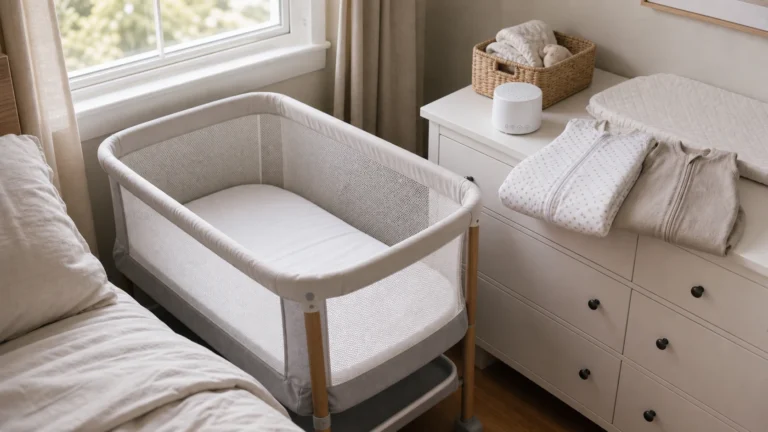
For sleep, keep clothing simple and avoid loose blankets in the sleep space. Choose wearable layers that fit correctly and follow the product instructions for sleepwear, swaddles, or sleep sacks. Clothing should support a safe routine, not add extra fabric that can ride up near baby’s face.
Where Clothing Should Live at Home
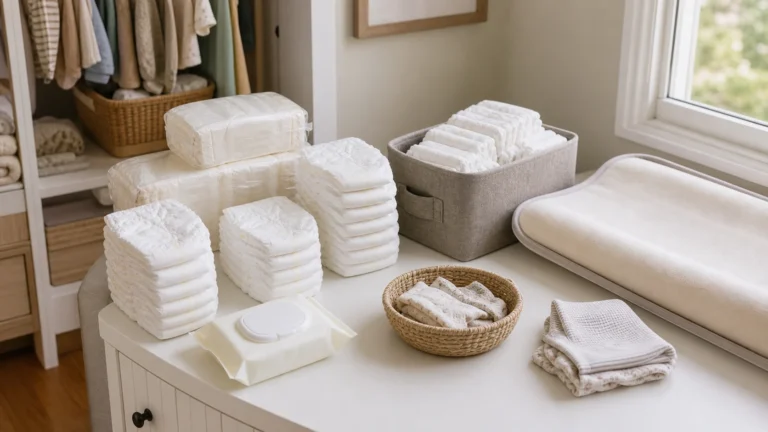
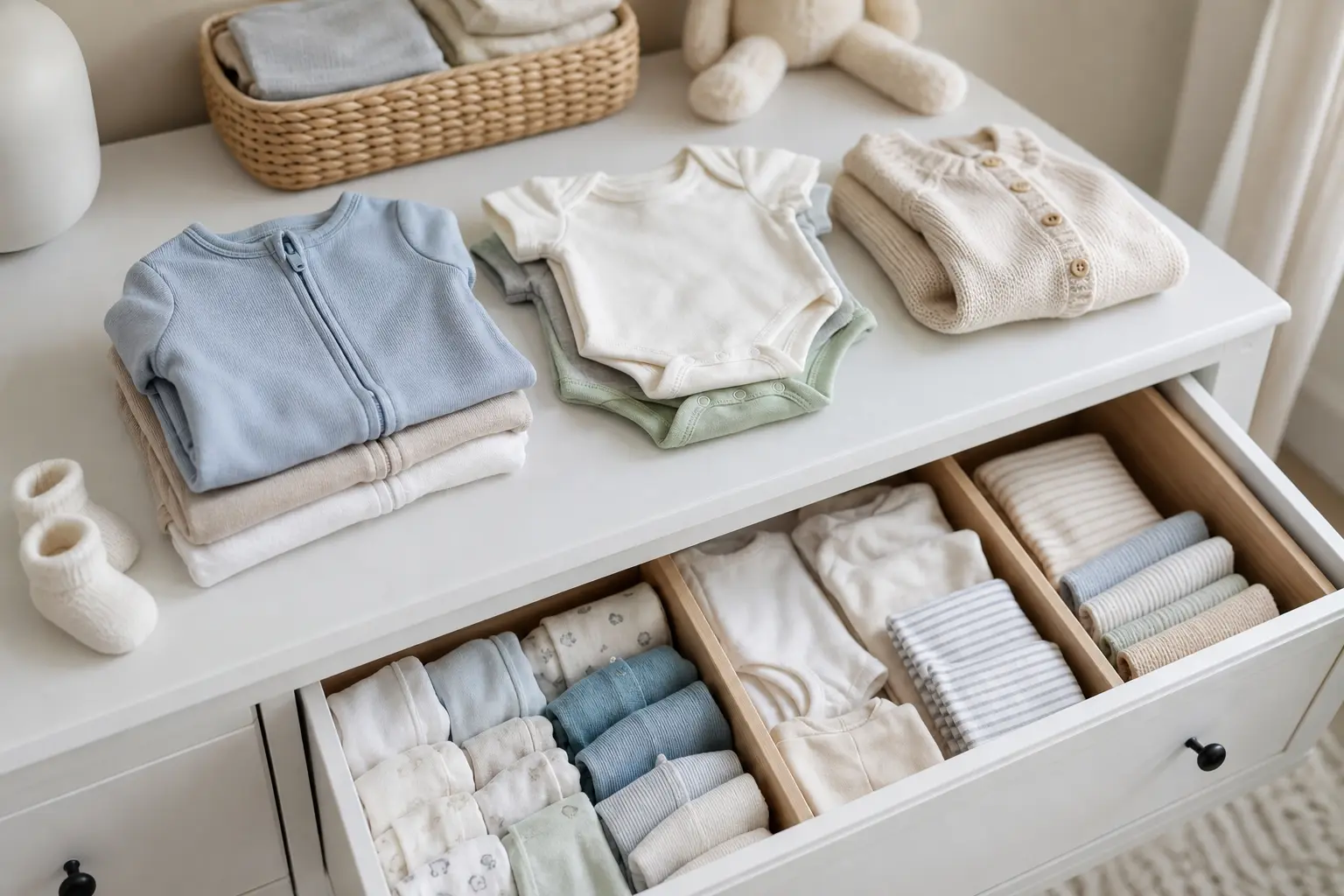
Newborn clothes get used wherever diaper changes happen. If your home has more than one floor, you do not need a full wardrobe upstairs and downstairs. You may only need a few sleepers, bodysuits, burp cloths, and diapers in the daytime changing area.
For a multi-level setup, pair this clothing list with Newborn essentials for upstairs downstairs. Keep the main clothing drawer in one place, then place small outfit backups where blowouts and spit-up changes actually happen.
Bath time is another place where clothing planning helps. A fresh diaper and clean sleeper should be ready before the bath starts, which is why this clothing guide works naturally with Newborn bath essentials.
Budget-Friendly Clothing Priorities
If your budget is tight, spend first on clothing that gets worn repeatedly. Multipacks of bodysuits and sleepers usually stretch farther than single special outfits. Neutral basics can also be easier to reuse for a second baby, pass along, or mix with seasonal pieces.
Our Newborn essentials for budget parents guide goes wider across the whole newborn setup. For clothing alone, the simplest rule is this: buy what you will wash and rewear, not what only looks cute on a hanger.
| Spend First On | Save or Wait On |
|---|---|
| Zipper sleepers | Photo-only outfits |
| Bodysuit multipacks | Baby shoes |
| One seasonal layer | Many one-time outfits |
| Soft socks if needed | Stiff denim or complicated buttons |
| Extra laundry-ready basics | Too many newborn-size pieces |
What Clothing Can You Skip?
Most newborns do not need shoes, stiff outfits, scratchy fabrics, complicated buttons, or a large collection of holiday clothes before they are even born. A small number of special outfits is fine if you want them, but they should not crowd out the everyday basics.
Also be careful with accessories. Headbands, loose hats indoors, bibs during sleep, and decorative layers can create extra work or safety concerns if they are used in the wrong setting. For everyday care, simple clothes are easier to supervise, wash, and repeat.
Newborn Clothing Essentials FAQ
What newborn clothing essentials should I buy first?
Start with zipper sleepers, bodysuits, and one or two season-appropriate layers. Add socks or booties only if your sleepers are not footed.
Are zipper sleepers better than snaps?
Many parents prefer zippers because diaper changes are frequent and often happen when everyone is tired. Snaps can work, but they usually take more time.
Should I buy newborn size or 0-3 months?
A modest mix is usually safer than buying too much in one size. Some babies wear newborn size for weeks, while others move into 0-3 months quickly.
Do newborns need baby shoes?
Usually no. Newborns are not walking, so shoes are mostly decorative. Footed sleepers or soft socks are more practical for warmth.
How do I avoid overbuying newborn clothes?
Buy a starter set, keep some 0-3 month backups, and wait until you know your baby’s size, spit-up pattern, diaper leaks, and laundry rhythm.
Final Takeaway
The best newborn clothing essentials are not the fanciest pieces. They are the clothes that make real newborn care easier: zipper sleepers, simple bodysuits, a few weather-aware layers, and enough practical backups for messy days.
Start small, wash and rewear, then adjust after your baby arrives. When clothing stays practical, it supports the rest of your Newborn Essentials setup instead of taking over the nursery before you know what your baby actually wears.
More from BabyEthos
Watch BabyEthos on YouTube
Follow BabyEthos for practical baby gear tips, registry planning, and parent-friendly newborn essentials guides.
Visit BabyEthos YouTube