Newborn Sleep Essentials 2026: Safe, Simple Picks for Better Nights at Home
Newborn sleep essentials should make sleep safer and simpler, not more complicated. The best newborn sleep setup is usually a firm, flat, clear sleep space, size-appropriate wearable layers, and a calm room environment that adults can repeat during naps and nights.
This guide focuses on the sleep pieces that belong on a practical Newborn Essentials list. It does not cover sleep training, wake windows, or medical sleep problems. For this article, the goal is simple: what should be ready before baby comes home, what can wait, and what should stay out of the sleep space.
If you are also building the full baby room, use this page together with our Newborn nursery essentials guide. The nursery article handles diaper and storage layout; this one stays tightly focused on newborn sleep essentials.
What Newborn Sleep Essentials Do You Need?
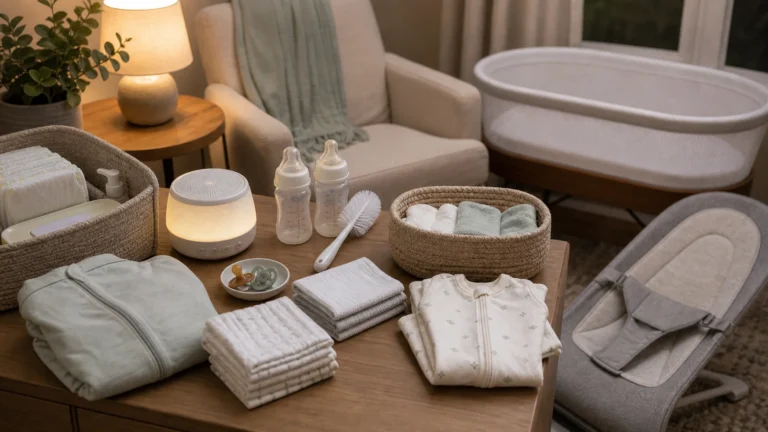
The core newborn sleep essentials are a safe sleep surface, a fitted sheet, a swaddle sack or baby sleep sack if it fits your baby’s stage, and an optional white noise machine placed away from the sleep space at a low, background volume.
Skip pillows, loose blankets, crib bumpers, stuffed animals, sleep positioners, weighted sleep products, and any product that claims to prevent SIDS. Safe sleep comes from a simple setup used consistently.
Safe sleep note
Trusted sources including the U.S. Consumer Product Safety Commission, CDC, and HealthyChildren.org from the American Academy of Pediatrics emphasize back sleeping, a firm and flat sleep surface, and a clear sleep area with no loose bedding, pillows, bumpers, toys, or sleep positioners.
Newborn Sleep Essentials: Buy First, Wait, or Skip
Before buying every sleepy-looking baby product, separate newborn sleep essentials from comfort extras. A newborn sleep area should be easy to use correctly even when you are tired after a night feed.
| Sleep Item | Buy Before Baby Arrives? | Important Note |
|---|---|---|
| Safe sleep surface | Yes | Use a crib, bassinet, bedside sleeper, or play yard intended for infant sleep and follow the product limits. |
| Fitted sheet | Yes | Use the correct size for the mattress or pad. |
| Swaddle sack | Often useful | Use only as directed; stop swaddling when rolling signs begin. |
| Baby sleep sack | Useful by size and stage | A wearable layer can replace loose blankets when it fits properly. |
| White noise machine | Optional | Keep it away from baby’s head and use it as background sound. |
| Decorative bedding | No | Keep pillows, blankets, bumpers, and soft toys out of the sleep space. |
If you want a printable whole-home version of the setup, use the Newborn essentials checklist printable after you finish this sleep list.
Safe Sleep Surface
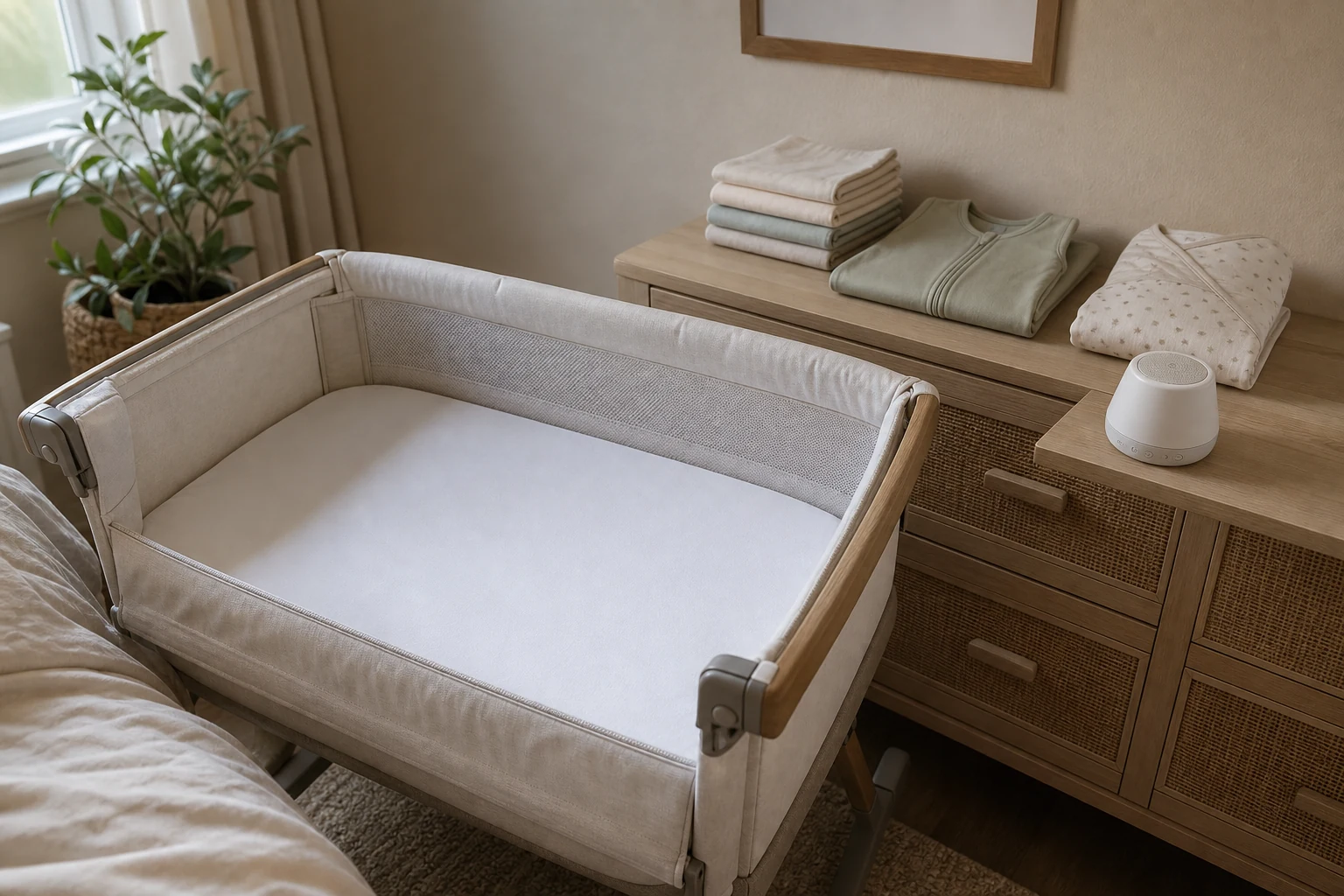
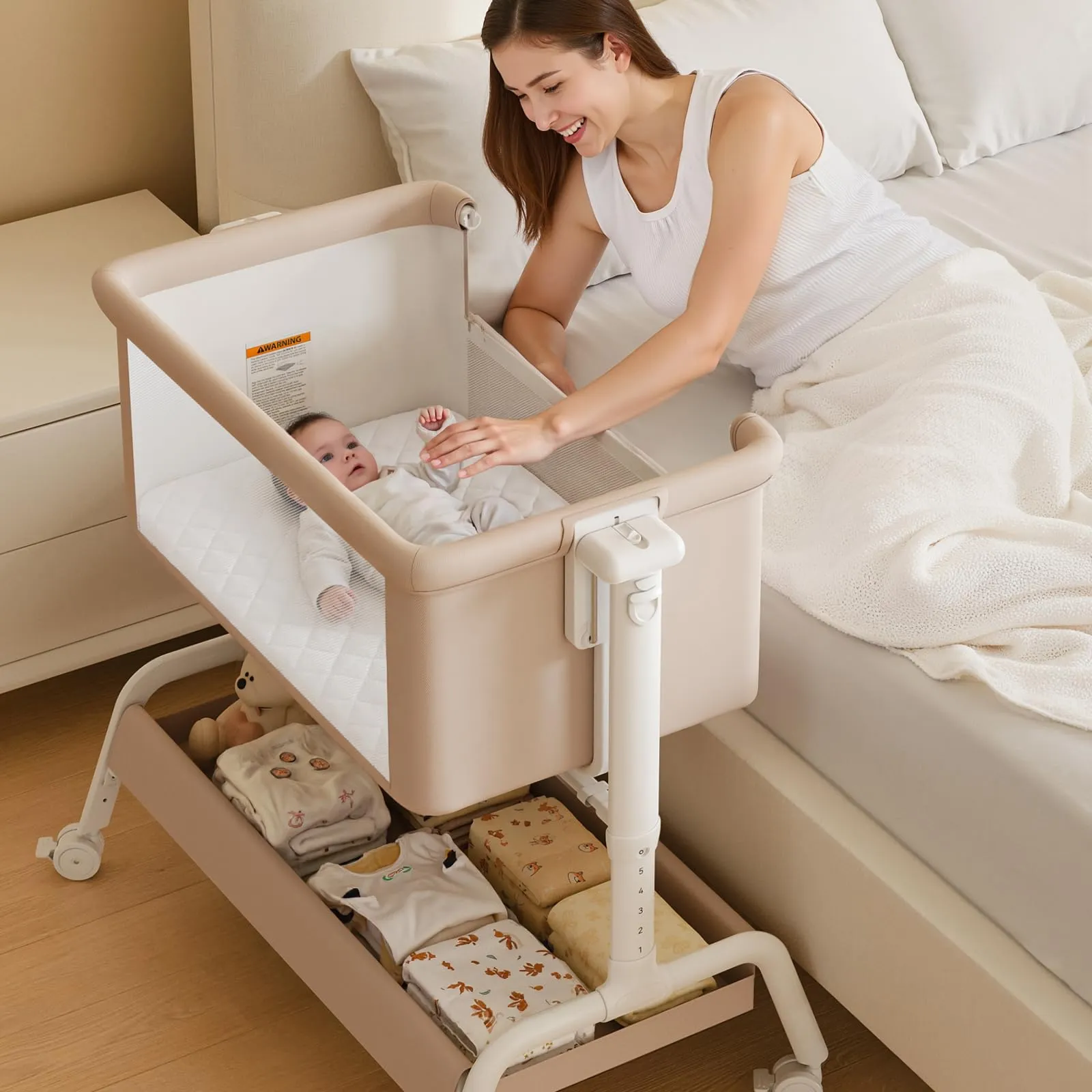
The first sleep item is not a gadget. It is the surface where your baby sleeps. For many families, that means a bassinet near the bed for the early weeks. Others use a crib, play yard, or bedside sleeper. The exact product can vary, but the rule is the same: it should be intended for infant sleep, assembled correctly, and used within the age, weight, and milestone limits.
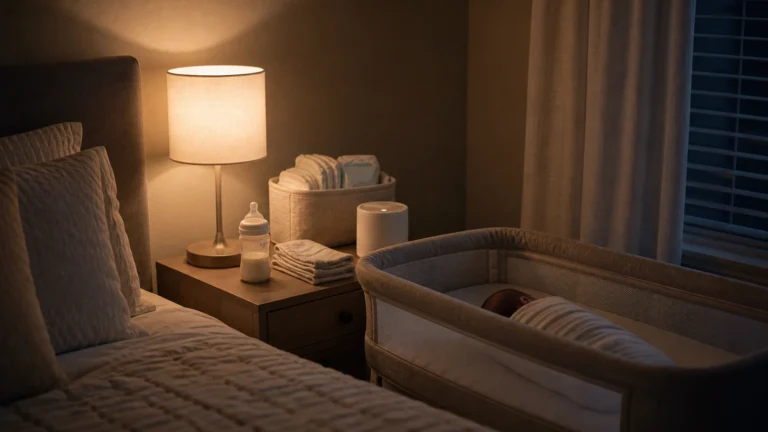
A bedside bassinet can make night feeds easier because baby is close without sharing an adult sleep surface. If you are comparing options, our separate guide to the best bedside bassinet can help you think through height, room fit, and access. For this newborn sleep essentials list, the key is not fancy features; it is a safe, clear place for baby to sleep.
Crib mattress and fitted sheet fit
If you use a crib instead of a bassinet, the mattress should be firm, flat, and made to fit that crib with no loose gaps at the edges. Use a fitted sheet made for that exact mattress size, then stop there. Extra pads, loose waterproof layers, pillows, blankets, and decorative bedding can make the sleep space less simple and should stay out of the crib.
For a bassinet or play yard, use the pad and sheet setup allowed by that product’s instructions. This is one of the easiest places to overbuy, so keep your newborn sleep essentials focused on the surface your baby will actually use during the first weeks.
Sleep Space Basics
Shop Simple Newborn Sleep Essentials
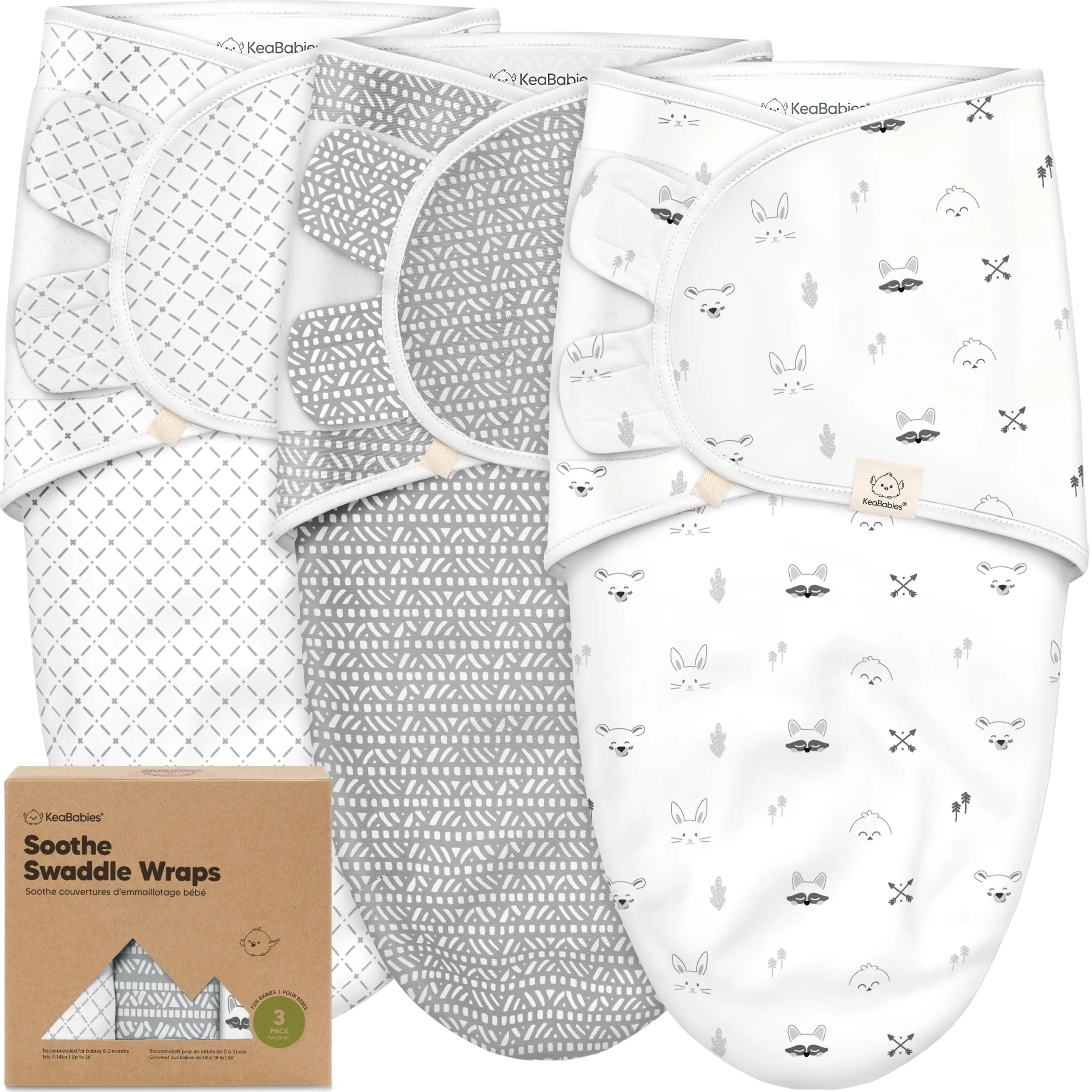
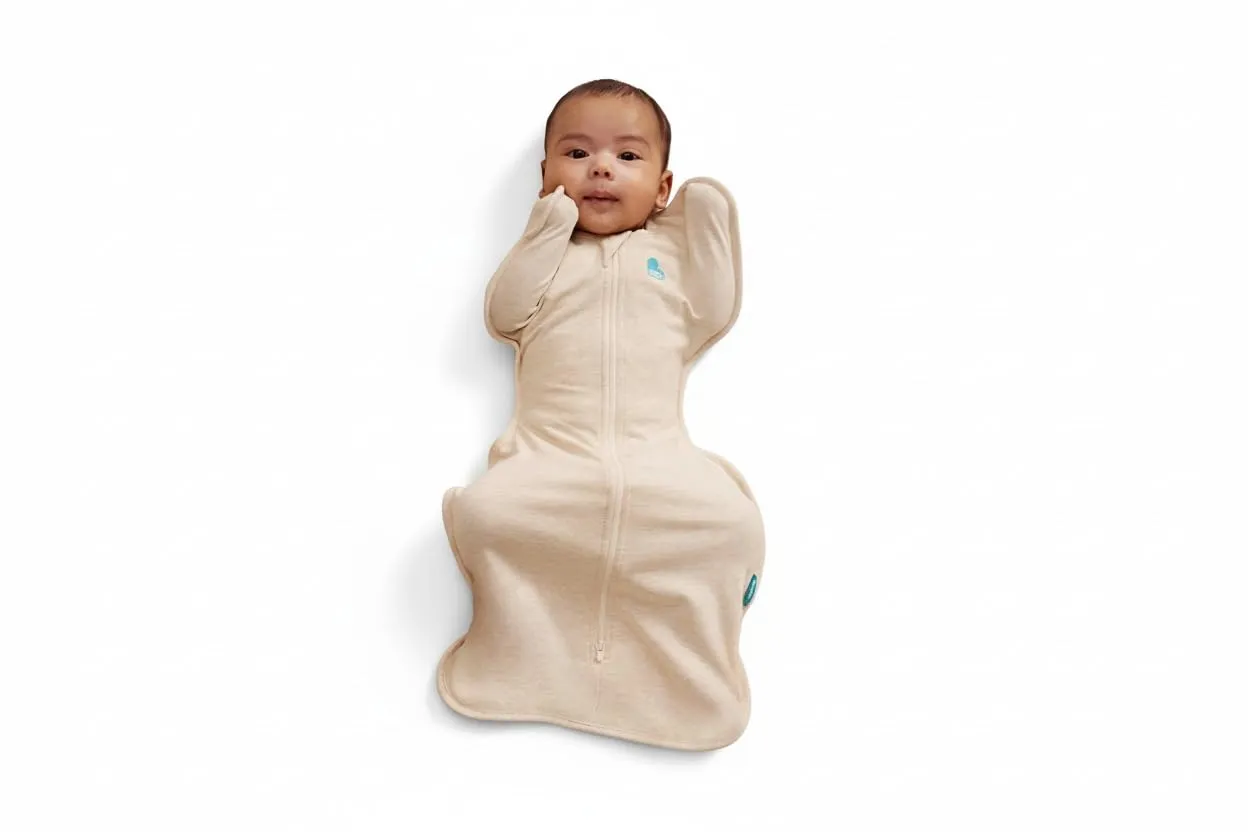
Swaddles, Sleep Sacks, and Wearable Layers
Swaddles and sleep sacks are often confused, but they solve different sleepwear problems. A swaddle sack can help some newborns feel snug in the early weeks, while a sleep sack is a wearable blanket option for the right size and stage.
Swaddling is optional. HealthyChildren.org notes that if you swaddle, baby should always be placed on their back, the swaddle should not be too tight around breathing or hips, and swaddling should stop when baby shows signs of trying to roll. If you need technique help, use our guide on how to swaddle a newborn before relying on a swaddle every night.
A sleep sack can be useful because it keeps warmth wearable instead of loose in the sleep space. Check weight range, length, arm position, room temperature guidance, and product instructions before using one. Avoid weighted swaddles, weighted blankets, and products that promise medical or SIDS-prevention results.
White Noise and Room Environment
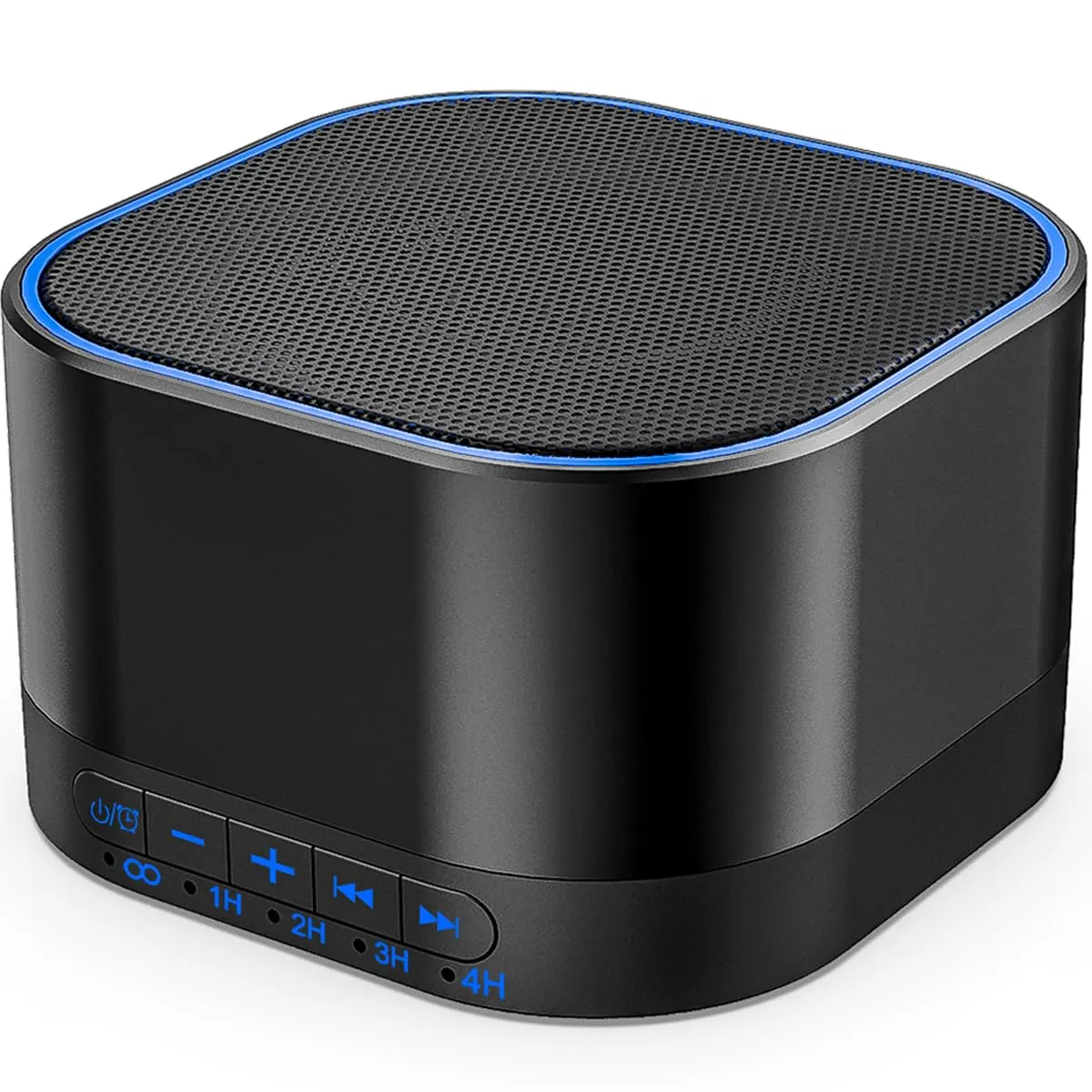
A white noise machine is not required, but it can be helpful in a shared room, apartment, or busy home where normal household sound travels. Think of it as background sound, not a loud sleep tool. HealthyChildren.org’s noise guidance notes that infant sleep machines can be too loud, so place one as far from baby’s head as practical, keep the volume low, and use a timer if that fits your routine.
The rest of the room matters too. Keep cords away from the sleep space, avoid placing the crib or bassinet near curtains or blind cords, and make sure adults can reach baby safely for night feeds. If breastfeeding is part of your night routine, our Newborn essentials for breastfeeding at home guide can help you keep feeding support separate from the actual sleep space.
What to Keep Out of the Sleep Space
Newborn sleep essentials are partly defined by what you do not buy. The sleep space should not become storage for blankets, pillows, loveys, toys, monitors, or extra products. Bare and repeatable is the goal.
| Skip in the Sleep Space | Use Instead |
|---|---|
| Loose blankets | Correct-size sleep sack or appropriate sleepwear |
| Crib bumpers | Bare crib or bassinet sides |
| Pillows | Nothing under baby’s head unless directed by a clinician |
| Sleep positioners | Back sleeping on a firm, flat surface |
| Stuffed animals and toys | Keep toys outside the sleep space |
| Weighted sleep products | Non-weighted, size-appropriate sleepwear |
If your baby will sleep at a grandparent’s house sometimes, do not improvise with an adult bed, couch, or soft surface. Use our Newborn essentials for grandparents house guide to plan a separate safe sleep surface and a small, repeatable setup.
How to Store Newborn Sleep Essentials
Sleep gear is easier to use when it is stored by stage. Keep currently fitting swaddles, sleep sacks, and fitted sheets together near the sleep area, but not inside the crib or bassinet. Put outgrown items in a labeled bin so they do not end up in the nighttime rotation by mistake.
If your nursery storage is already crowded, use our guide on how to organize newborn essentials before buying more bins. Most families need fewer sleep items than they think: enough to rotate through laundry, not a drawer full of every swaddle style.
Editor note
Newborn sleep essentials should make the safe choice the easy choice. Keep the sleep space clear, keep the current sleep layers easy to find, and move anything decorative or outgrown away from the bedtime routine.
Newborn Sleep Essentials FAQ
What newborn sleep essentials do I need before baby arrives?
Start with a safe sleep surface, fitted sheet, appropriate sleepwear or wearable layers, and a simple room setup. A white noise machine is optional, not required.
Are swaddles and sleep sacks both necessary?
Not always. Some families use swaddles early and sleep sacks later. Others skip swaddling. The right choice depends on your baby’s size, stage, rolling signs, room temperature, and product instructions.
Do newborns need pillows or blankets?
No. Pillows and loose blankets do not belong in a newborn sleep space. Use appropriate sleepwear or a wearable blanket if your baby needs a layer.
Is white noise a newborn sleep essential?
No. It is a convenience item. If you use one, keep it away from baby’s head and set it low enough to be background sound, not the loudest sound in the room.
What if my newborn sleep setup is not working?
Check the basics before buying more gear: sleep surface, room temperature, feeding routine, diaper comfort, and whether the sleep layer fits correctly. If you have safety or health concerns, ask your pediatrician.
Final Takeaway
The best newborn sleep essentials are boring in the right way: a safe sleep surface, correct sheet, wearable layers when appropriate, and a calm room setup. You do not need a decorated crib or a drawer full of sleep gadgets to bring baby home.
Start with the simple sleep setup, then connect it back to the full Newborn Essentials list so feeding, diapering, clothing, and bath supplies stay organized around the rest of your home.
More from BabyEthos
Watch BabyEthos on YouTube
Follow BabyEthos for practical baby gear tips, nursery ideas, and parent-friendly newborn essentials guides.
Visit BabyEthos YouTube