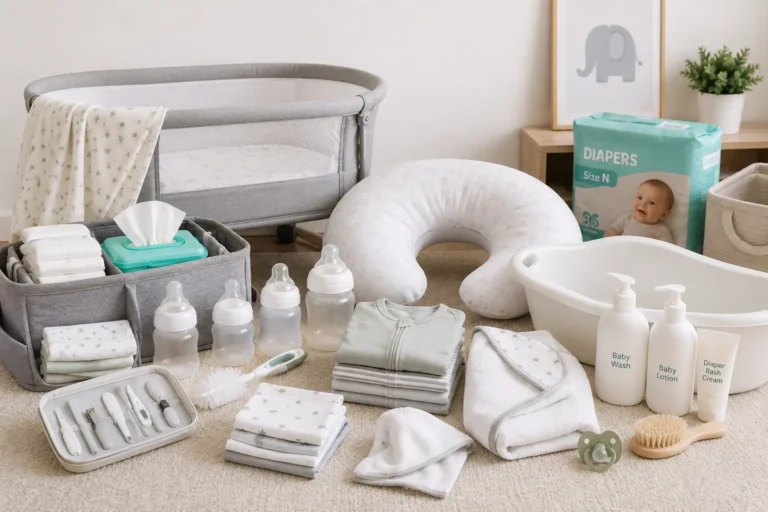
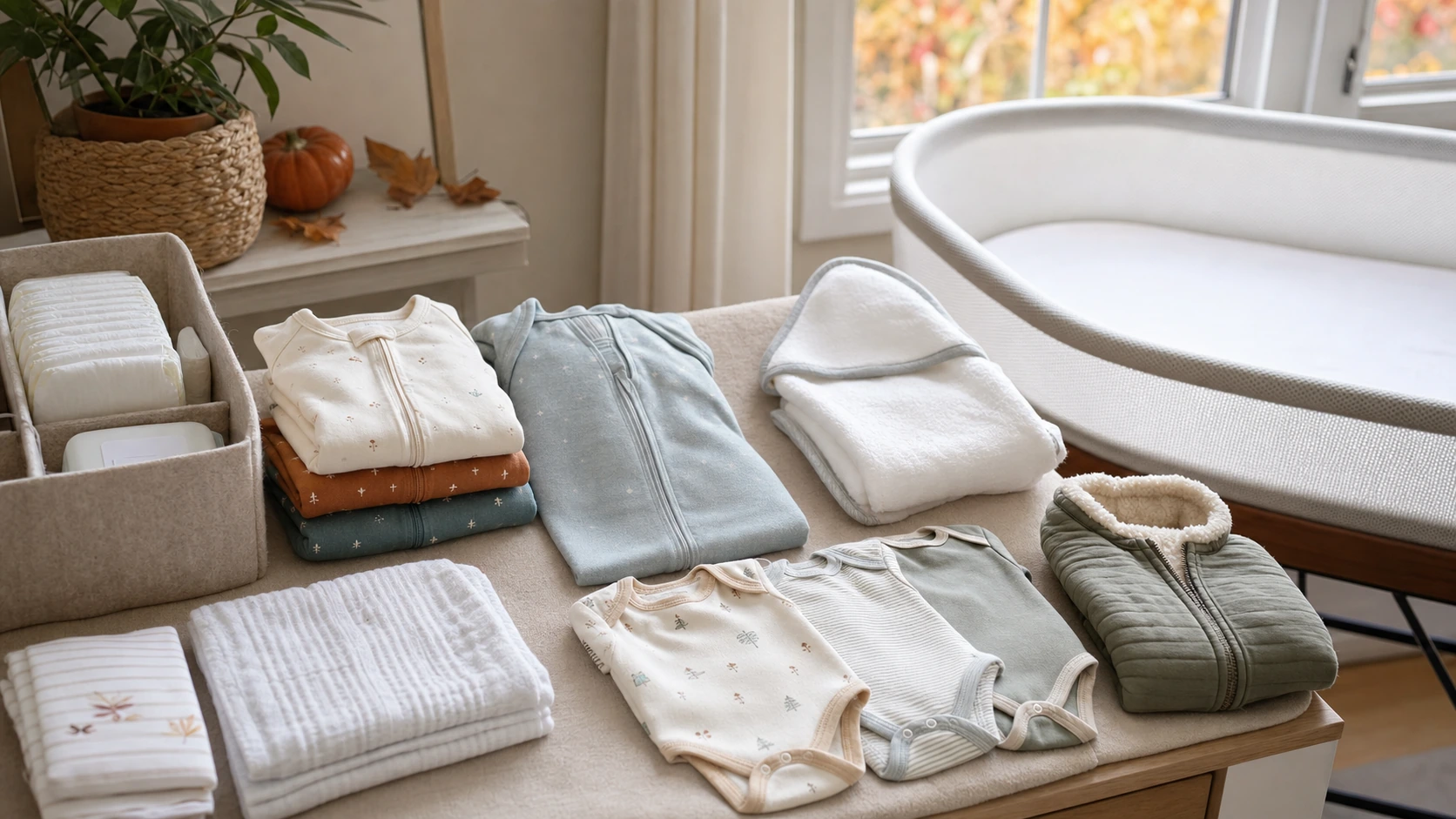
Fall Newborn Essentials: Cozy Layers for Crisp Days and Cooler Nights
Fall newborn essentials are all about small adjustments. You are not building a winter bunker, and you are not packing for summer heat either. You are trying to keep a tiny baby comfortable through crisp mornings, warmer afternoons, chilly night feeds, windy stroller walks, and the first real stretch of indoor laundry season.
I always think fall is the season that tricks new parents the most. The nursery feels fine at 2 p.m., then suddenly the bedroom feels cold during a 3 a.m. diaper change. You leave the house in a sweater, peel it off by lunch, and then wonder whether the baby is underdressed or overdressed. That is why a good fall setup should be flexible, not huge.
If you are still building your full starter setup, keep this seasonal list connected to the main Newborn Essentials guide. This page is the fall layer on top: what to add, what to rotate forward, and what to skip until the weather is truly cold.
Quick Answer
What Should Be on a Fall Newborn Essentials List?
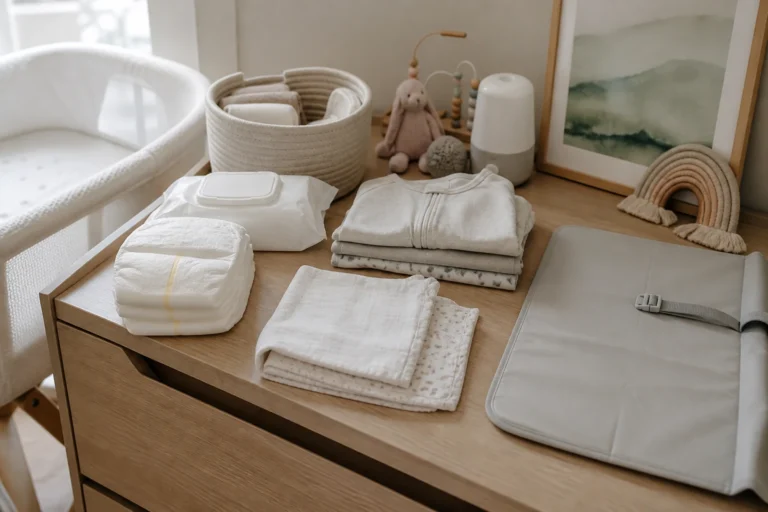
For fall, start with cotton bodysuits, zipper sleepers, a size-appropriate sleep sack, a few warmer layers for supervised awake time, hooded towels for post-bath warmth, a diaper caddy, burp cloths, and a small outing setup that can handle weather swings.
The goal is not to buy a separate fall version of everything. Build from your core newborn essentials, then add layers that are easy to remove when the day warms up.
Fall Newborn Essentials Are Mostly About Layers
Fall baby care is less about one perfect outfit and more about having the right small pieces nearby. A bodysuit can be a base layer. A zipper sleeper can be the everyday uniform. A sleep sack can replace loose blankets in the sleep space. A soft towel can help after baths when the bathroom feels cooler than it did in August.
In our house, fall was always the season of “just in case” items: one extra sleeper in the diaper bag, one spare burp cloth in the car, one warmer layer near the bassinet, and one little laundry basket that somehow filled up by breakfast. Newborns do not need a closet full of seasonal outfits, but they do need clothing that works when the temperature moves around.
For a deeper clothing-only breakdown, use our Newborn clothing essentials guide. Here, we are focusing on the fall version: what actually makes crisp days and cooler nights easier.
Fall Setup Picks
Shop Practical Fall Newborn Basics
These are the pieces that help most with fall layering, cooler sleep routines, bath warmth, and keeping baby supplies easy to grab.
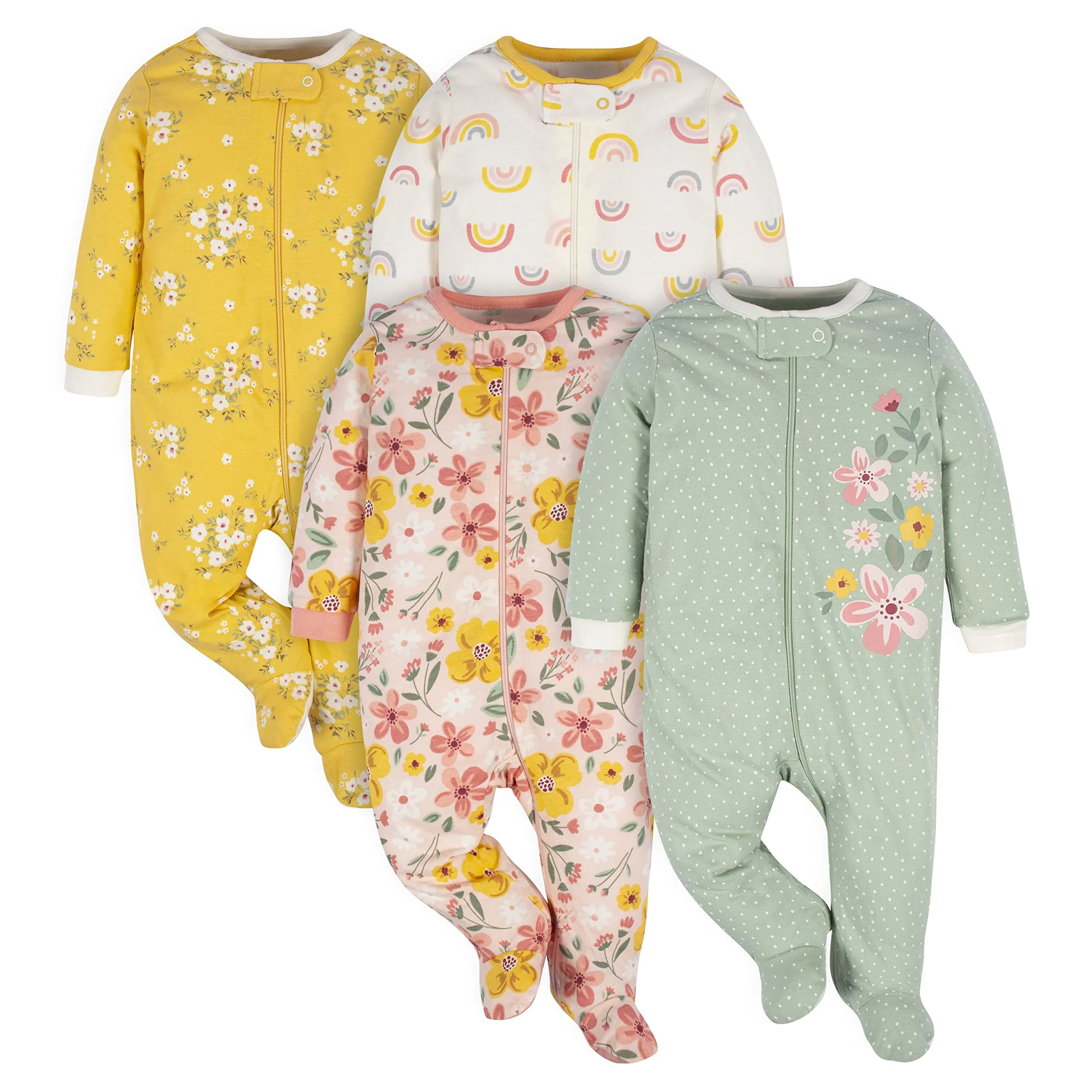
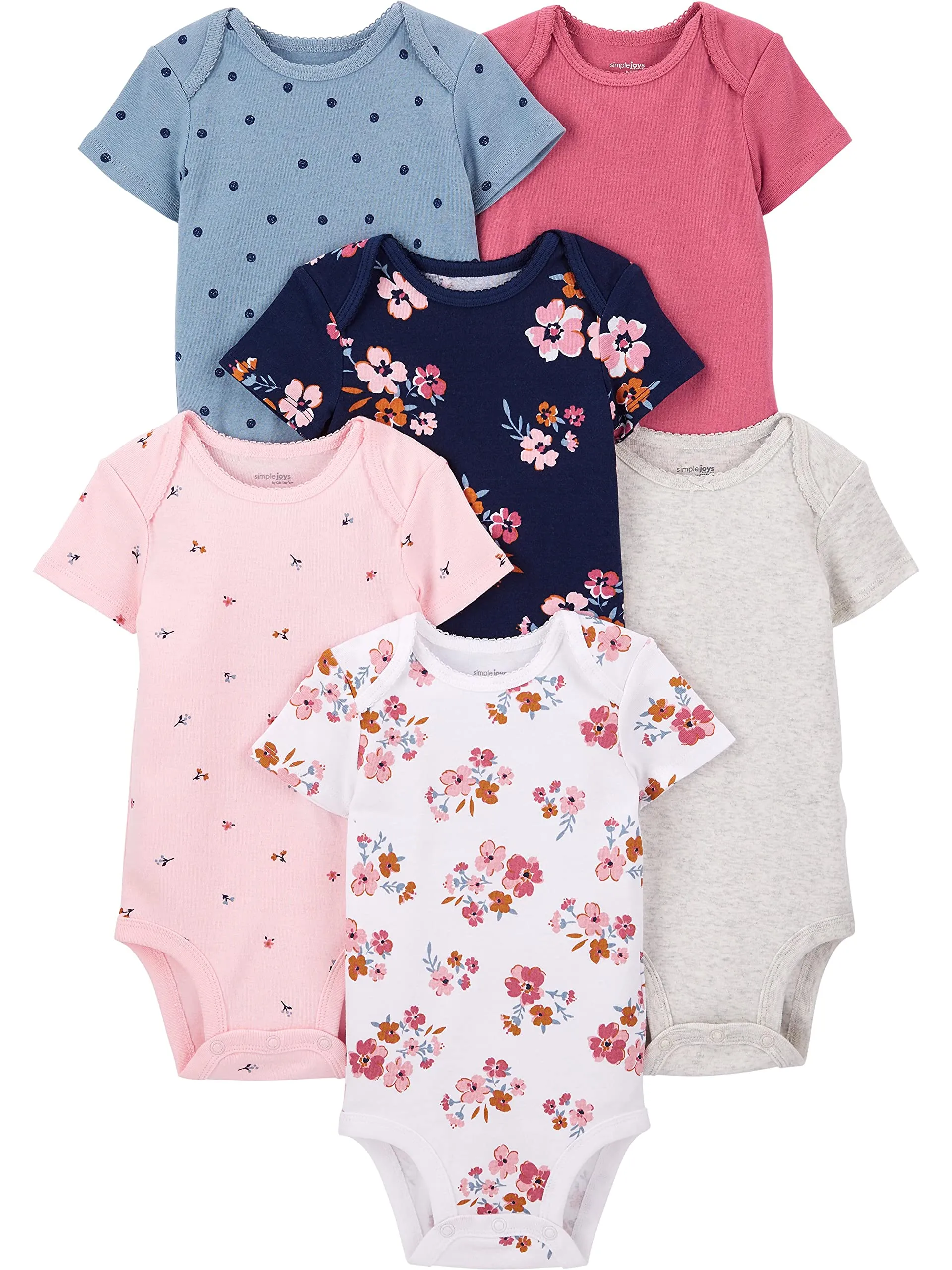
The Fall Layering Formula for Newborns
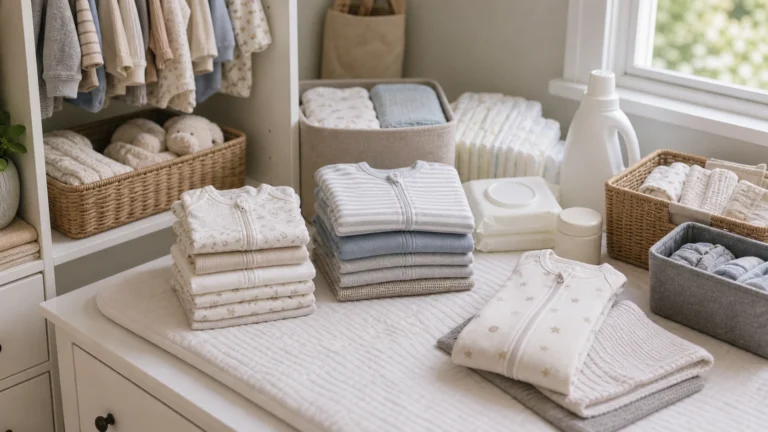
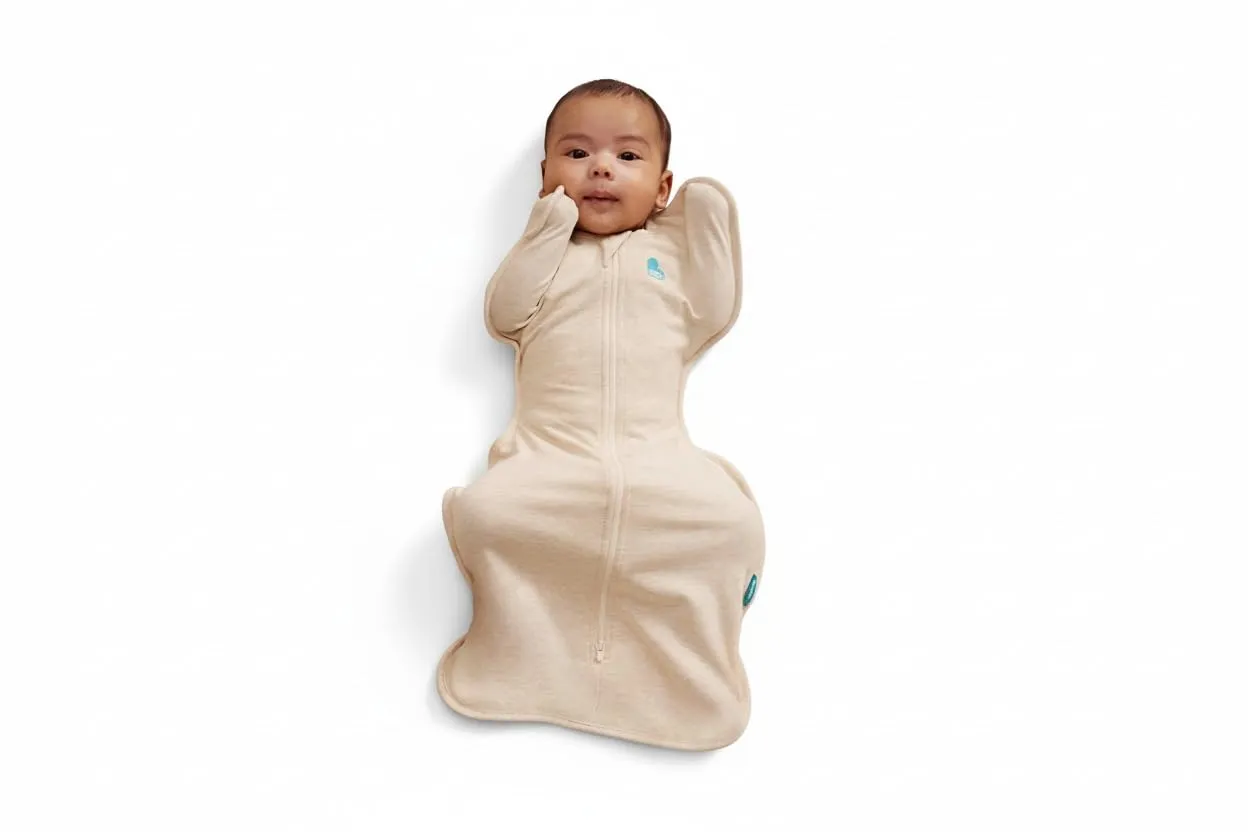
The easiest fall formula is base layer, everyday layer, then removable outer layer for supervised awake time or outings. For many newborns, that means a cotton bodysuit under a zipper sleeper. If the room is cooler, use a size-appropriate wearable sleep layer for sleep instead of loose blankets.
Bodysuits are useful because they keep the diaper area covered and add a light layer without making dressing complicated. Short sleeves can still work in fall under sleepers, especially in homes that are heated or in areas where September and October are mild. Long sleeves may become useful later, but do not buy too many before you know your baby’s size and your home temperature.
Zipper sleepers are the real daily workhorse. They handle naps, nighttime diaper changes, early morning feeds, and the kind of spit-up day where everyone changes clothes twice before lunch. For fall, footed sleepers can be helpful when floors feel cooler, but check fit so toes are not cramped.
Fall safety note
Layers should help you adjust to the room, not cover up guesswork. Check your baby’s neck or chest for warmth, follow product sizing, and avoid loose blankets, pillows, or positioners in the sleep space.
Sleep Essentials for Cooler Fall Nights
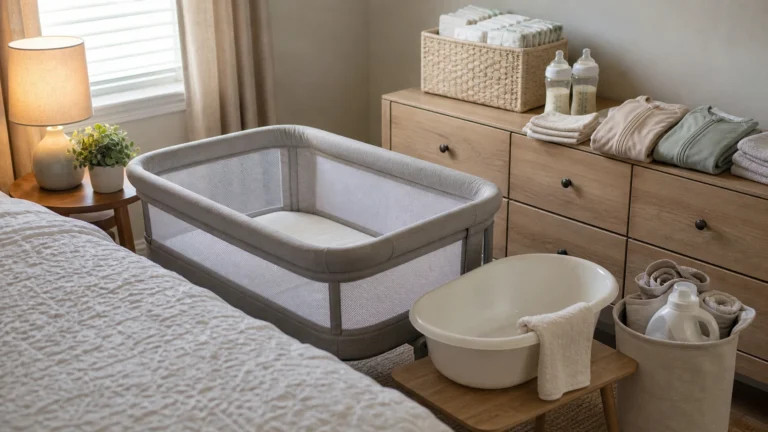
Cooler nights are where fall newborn essentials matter most. A nursery can feel comfortable when you put baby down, then cooler after midnight when the heat drops or the house gets drafty. That does not mean adding a blanket to the bassinet. It means choosing the right sleepwear and wearable layer for the room.
A baby sleep sack or swaddle-style wearable layer should match your baby’s size, stage, and the manufacturer’s temperature guidance. The product featured here is a 1.0 TOG option meant for moderate room temperatures, so it is not a heavy winter sleep solution. If your home runs cold or you are researching warmer sleepwear, our Best 2.5 TOG sleep sack guide can help you compare warmer options later.
For night feeds, keep one clean sleeper, burp cloths, diapers, wipes, and a small changing setup near where you feed. Fall nights feel longer when you are walking across a cold hallway with a half-awake newborn. Our Newborn essentials for night feeds guide goes deeper into that bedside routine.
| Fall Sleep Need | Useful Item | What to Watch |
|---|---|---|
| Cooler room | Size-appropriate sleep sack | Choose by room temperature and product guidance. |
| Frequent changes | Zipper sleeper | Make sure the fit is not tight in the feet. |
| No loose bedding | Wearable sleep layer | Keep bassinet or crib simple and bare. |
| Late-night feeds | Diaper caddy nearby | Restock before bedtime, not at 3 a.m. |
Outing Essentials for Crisp Days
Fall outings are lovely until the weather flips halfway through the errand. For a newborn, pack for changes more than cold. A spare sleeper, an extra bodysuit, a burp cloth, diapers, wipes, and a light removable layer usually matter more than a tiny seasonal outfit.
The big car seat reminder: bulky coats and thick padded layers should not go under the car seat harness. They can make the harness fit incorrectly. If the car is chilly, dress baby in thin layers, buckle the harness snugly, then use a blanket over the straps while supervised if needed. Remove it when the car warms up.
A diaper caddy works at home, but a smaller diaper bag setup works better for fall errands. Keep a spare outfit because apple orchards, pediatrician visits, school pickup lines, and grocery runs all seem to attract blowouts at the worst possible time.
Bath and Laundry Essentials When the House Gets Cooler
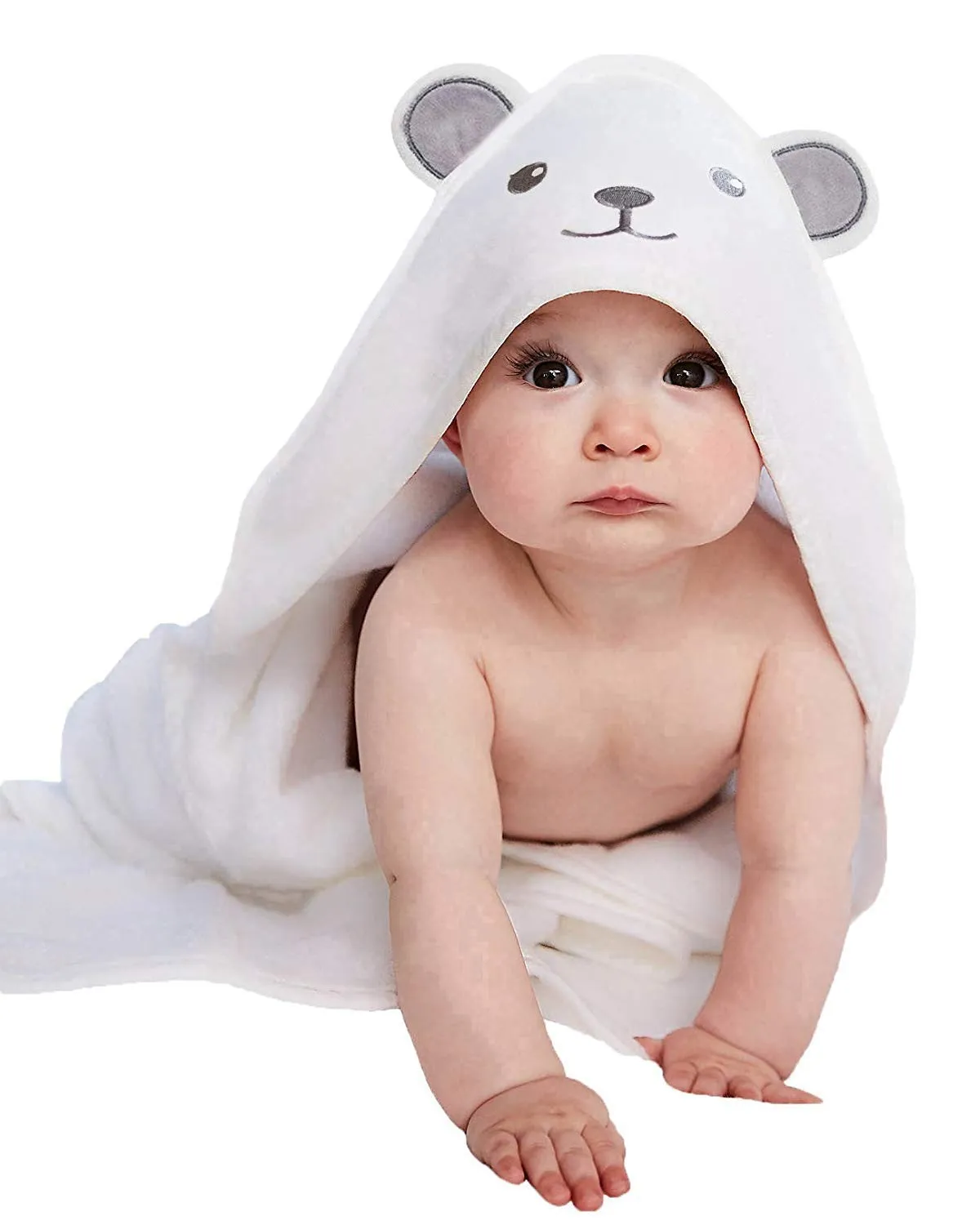
Fall bath time can feel different almost overnight. The bathroom gets cooler, towels feel colder, and newborns do not love being wet and chilly. A hooded towel is simple, but it earns its place because you can wrap baby quickly after bath time and keep the head covered while you move to pajamas.
Do not overcomplicate bath products. Most families need soft washcloths, a towel, gentle bath basics, and a warm place to dress baby afterward. Keep the sleeper and diaper ready before the bath starts. That one tiny step saves a lot of shivering and scrambling.
Laundry also changes in fall. Sleepers take longer to air dry, burp cloths pile up, and you may rotate through more layers. This is where your main newborn essentials list should stay modest but practical: enough washable pieces to get through messy days, not so much clothing that drawers overflow before baby outgrows it.
What to Buy, Wait On, and Skip for Fall
Fall can make parents feel like they need to buy everything warmer. Usually, you do not. Buy pieces that layer. Wait on true winter gear unless your climate needs it now. Skip decorative seasonal outfits if they make diaper changes harder.
| Buy First | Wait and See | Skip for Most Newborns |
|---|---|---|
| Bodysuits, zipper sleepers, burp cloths, sleep sack, hooded towels | Heavy winter outerwear, warmer TOG sleepwear, extra stroller accessories | Baby shoes, stiff photo outfits, loose blankets for sleep |
| Diaper caddy or small changing station | Second set of everything for another floor | Oversized seasonal decor that crowds the changing area |
| Light removable outing layer | Cold-weather stroller bunting if your fall is mild | Bulky coats under car seat straps |
If your fall already feels like January, use our Winter newborn essentials guide next. If you live somewhere where September is basically still hot, compare with Summer newborn essentials. And if you want the lighter seasonal version, our Spring newborn essentials guide gives a softer rain-and-layering comparison.
Fall Parent Setup Matters Too
One thing parents forget is that fall newborn care is not only about the baby. If you are cold during night feeds, you will feel every minute of them. Keep a cardigan, water, burp cloths, and feeding supplies near your main chair. If you are nursing and planning ahead for colder months, the Nursing bra for winter guide can help you think about comfortable layers before the weather really drops.
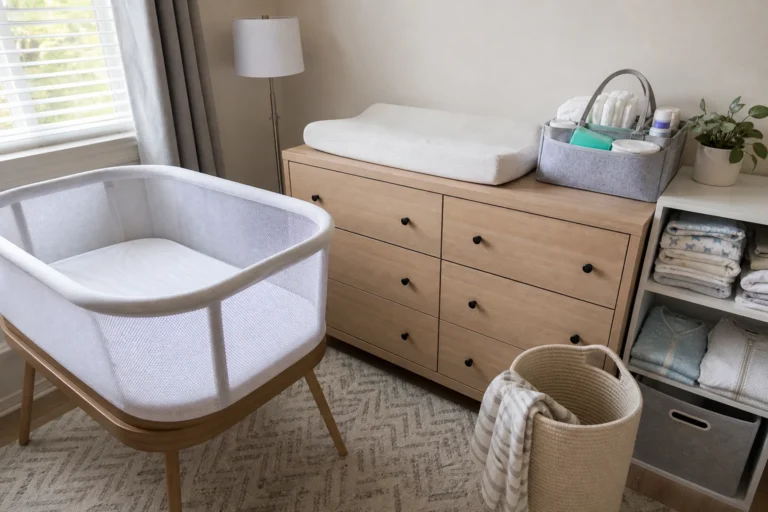
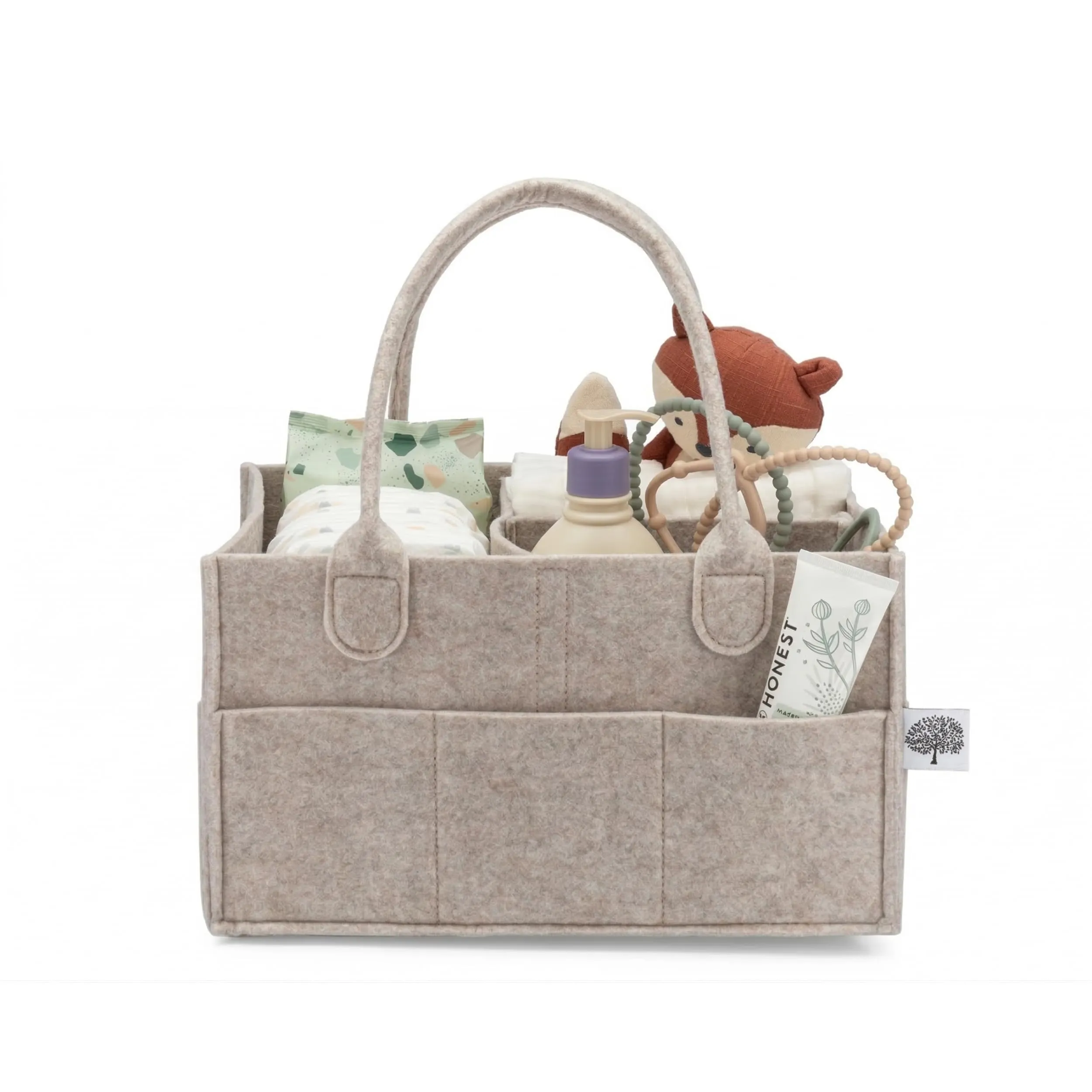
This is also where a small caddy helps. In fall, family routines often get busier: older siblings are back in school, germs come home, coats and shoes pile near the door, and baby supplies somehow migrate across the house. A caddy does not fix the whole house, but it keeps diapers, wipes, cream, burp cloths, and a backup sleeper in one reachable place.
A Simple Fall Newborn Checklist
Use this as a starting point, then adjust for your climate, your thermostat, and your baby’s size.
- 5-7 zipper sleepers for daily wear and night changes
- 5-7 bodysuits for light layering under sleepers
- 1-2 size-appropriate sleep sacks or wearable sleep layers
- 2-3 hooded towels for cooler bath nights
- 8-12 burp cloths or washable cloths
- 1 diaper caddy or small changing station
- 1 light removable outing layer for supervised awake time
- 1 spare outfit in the diaper bag or car
- Diapers, wipes, diaper cream, and a simple restock basket
That is enough for most families to start. The best fall newborn essentials list should feel practical, not crowded. You can always add warmer layers later, especially once you know whether your baby runs warm, spits up often, or outgrows newborn sizes quickly.
Real-life rule
If an item only looks cute in a photo but makes diaper changes, car seat buckling, or laundry harder, it probably belongs in the “wait” pile, not the first fall setup.
Final Takeaway
Fall newborn essentials should make daily care easier through temperature swings. Start with the basics from your main Newborn Essentials setup, then add practical layers: bodysuits, zipper sleepers, a wearable sleep layer, hooded towels, and a small organized changing station.
Keep the sleep space simple. Keep outing layers removable. Keep a spare outfit close. And try not to let fall marketing convince you that your newborn needs a whole seasonal wardrobe. Most babies need comfort, clean clothes, safe sleep, and parents who can find the wipes in the dark.
More from BabyEthos
Watch BabyEthos on YouTube
Follow BabyEthos for practical baby gear tips, nursery ideas, and parent-friendly newborn essentials guides.
▶ Visit BabyEthos YouTube