What Not to Buy for a Newborn: 25 Baby Products Parents Often Skip
Buying for a newborn is confusing because almost every baby product looks useful before your baby arrives. A warmer looks helpful. A giant diaper stockpile feels responsible. A drawer full of tiny outfits feels exciting. But many parents later realize they used only a small group of practical newborn items every day.
This guide focuses on What not to buy for newborn care at home, especially during the first weeks. It is not about being cheap or skipping everything. It is about avoiding products that create clutter, add safety concerns, duplicate better basics, or depend on a routine you do not know yet.
If you are still building your main setup, use this guide together with our Newborn Essentials hub. That parent page gives the full starter framework, while this article helps you remove low-priority items before they take over your registry, closet, nursery, or budget.
Quick Answer
What Not to Buy for a Newborn First?
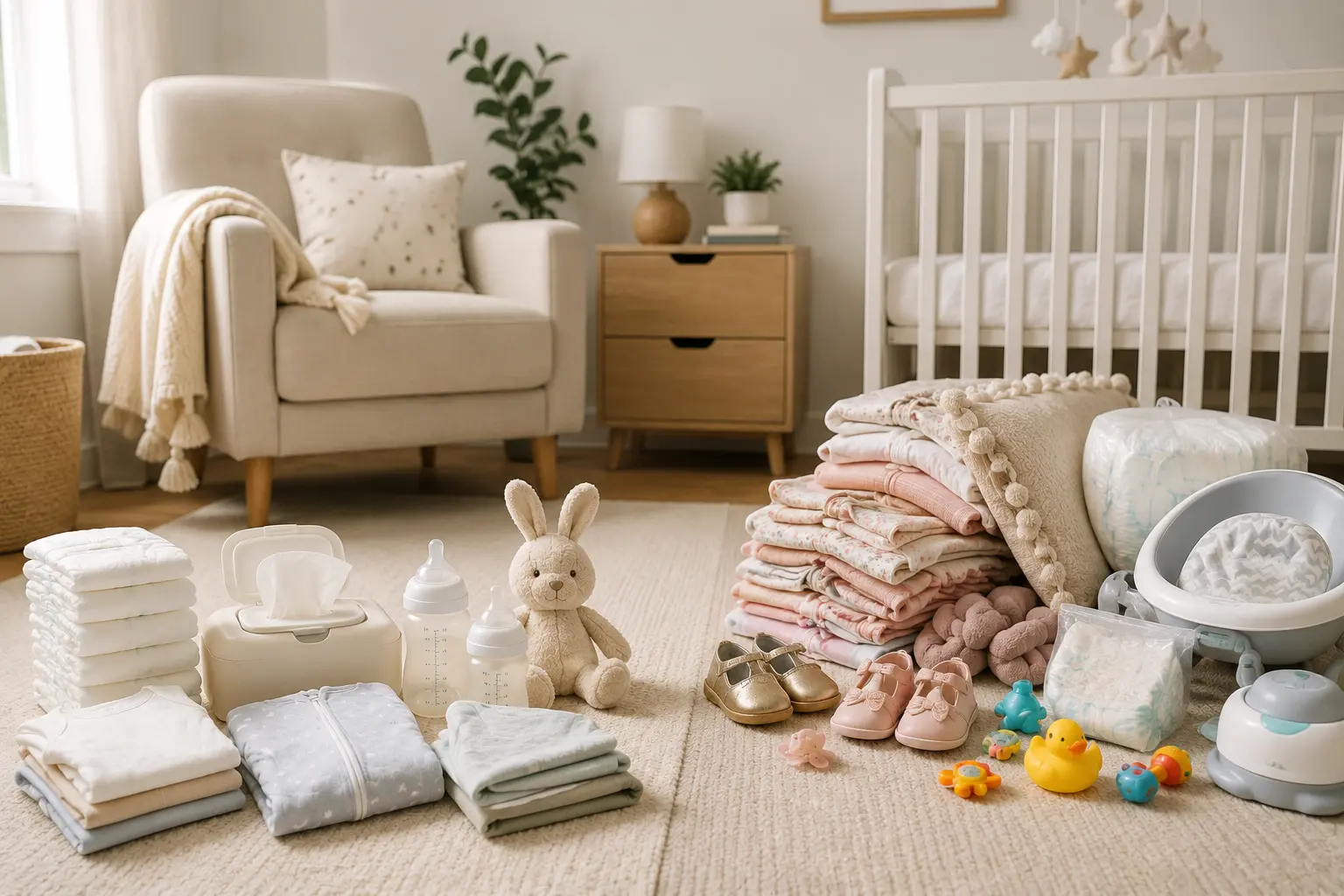
Most families can wait on wipe warmers, bottle warmers, sterilizers, baby shoes, fancy outfits, large newborn diaper stockpiles, extra bottle styles, oversized changing furniture, decorative bedding, bath toys, and duplicate organizers.
The safest buying plan is to start with a small practical setup, then add products only after your baby’s size, feeding routine, sleep setup, and home layout are clearer.
What Not to Buy for Newborn: The Simple Rule
The easiest way to decide What not to buy for newborn care is to ask one question: will this item solve a daily problem in the first few weeks, or is it just something that looks useful on a registry?
Daily newborn care is repetitive. Your baby sleeps, feeds, needs diaper changes, spits up, wears simple clothes, needs basic bath care, and creates laundry. Products that support those routines usually matter. Products that decorate, duplicate, over-specialize, or promise to fix a future problem can often wait.
This is especially important for first-time parents because it is easy to confuse “popular” with “necessary.” A product can have great reviews and still be wrong for your home, your baby, or your first-month routine.
| Product Type | Buy Now? | Better Approach |
|---|---|---|
| Large newborn diaper stockpile | Usually no | Buy a starter supply, then restock after you know fit. |
| Baby shoes | No | Use sleepers, socks, or simple layers if needed. |
| Wipe warmer | Usually no | Start with fragrance-free wipes near the changing area. |
| Too many bottle styles | No | Start with one small bottle set before buying more. |
| Decorative bedding | No | Keep the sleep space simple, firm, flat, and clear. |
Sleep Products to Skip or Delay
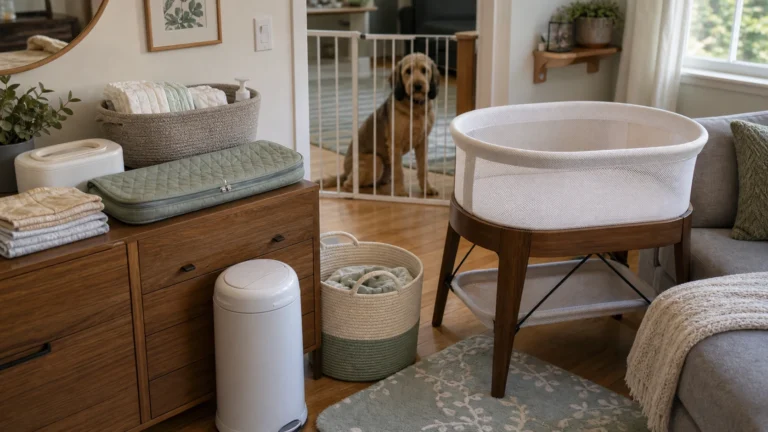
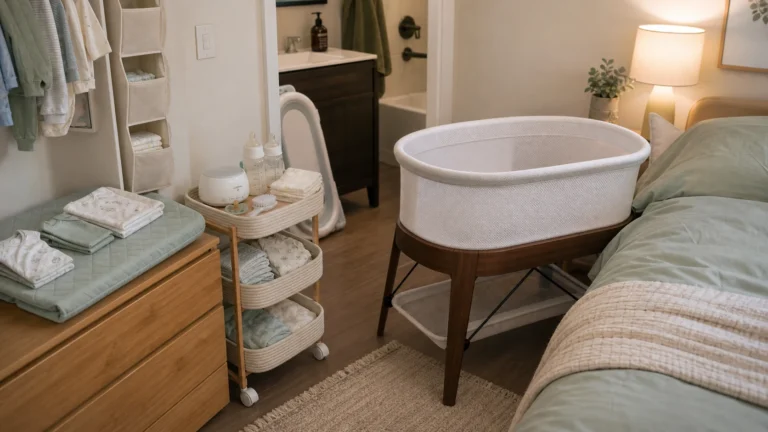
Sleep is the first place to be strict. A newborn sleep setup should be simple, not crowded. Avoid products that add loose bedding, positioning, incline, pillows, bumpers, or decorations to the sleep space.
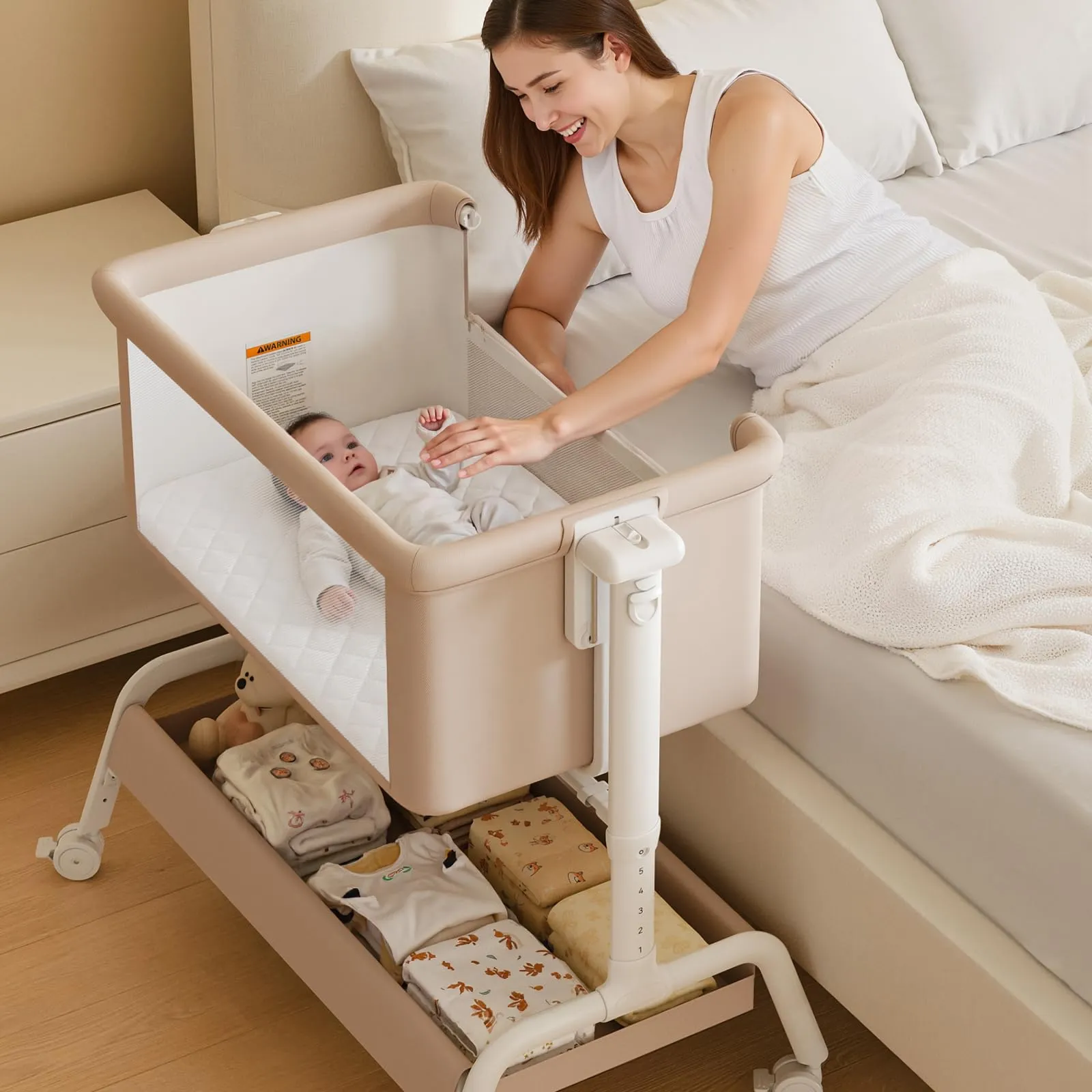
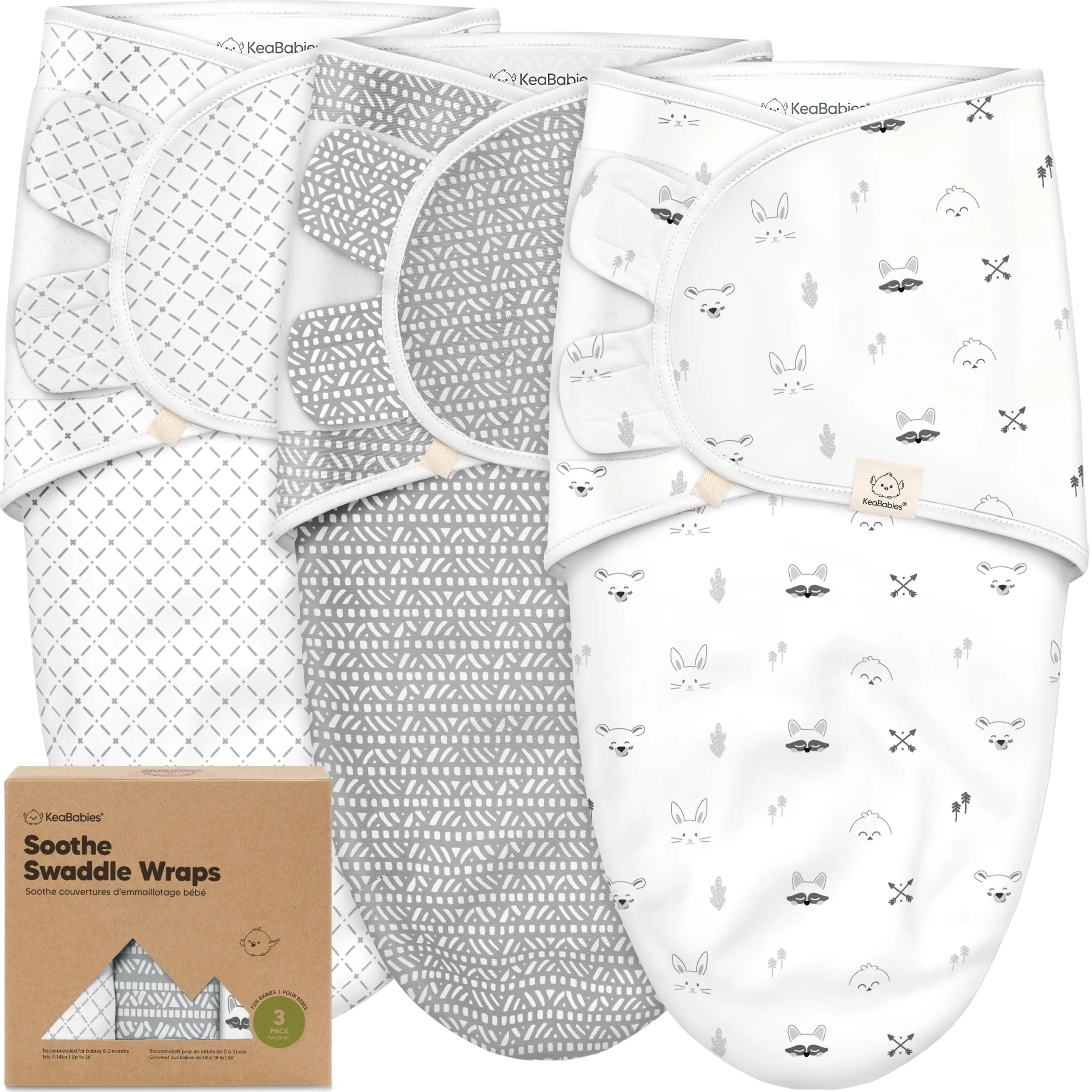
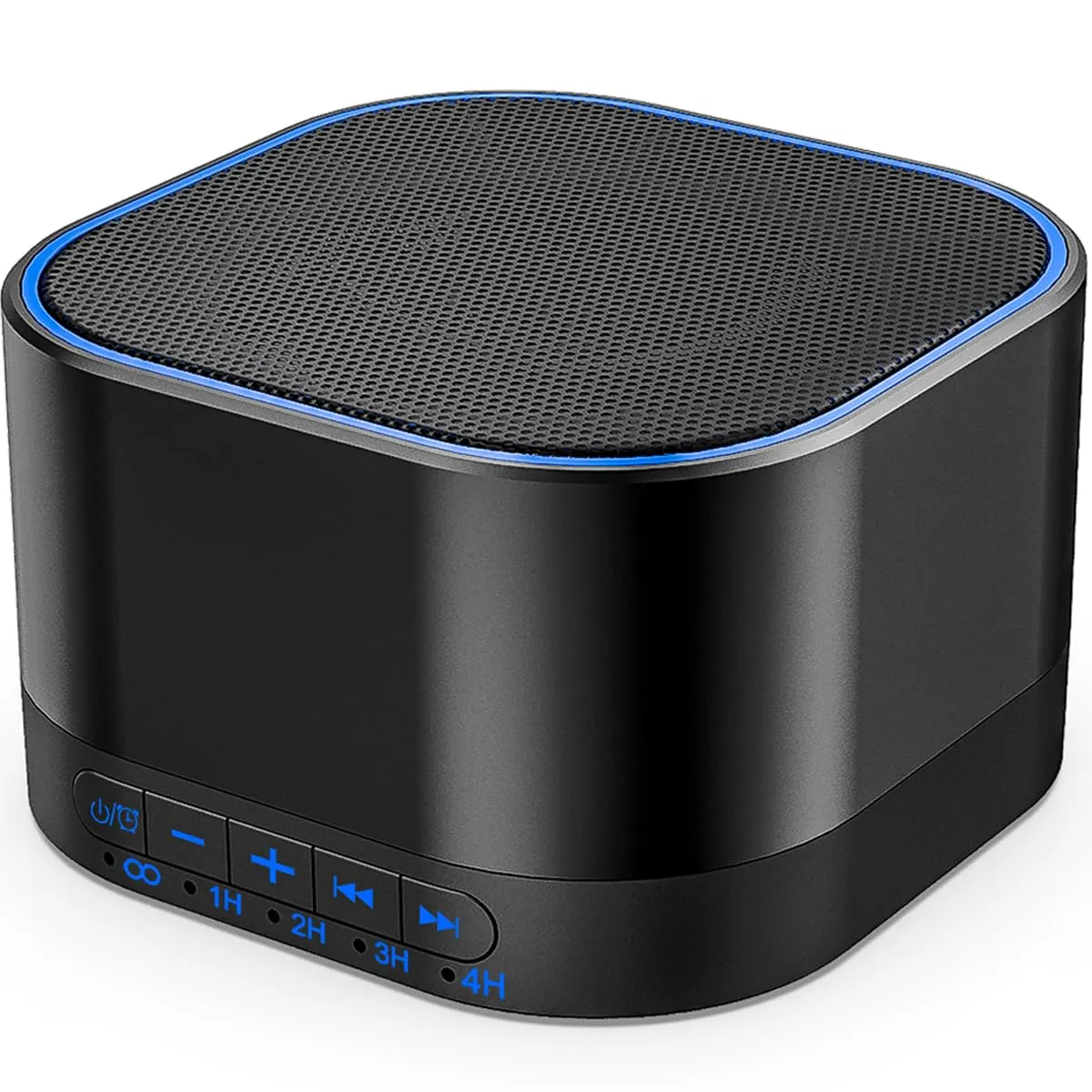
For most families, the practical sleep setup is a safe sleep space, a correctly used swaddle or wearable sleep layer, and a calm room routine. More sleep gear does not automatically mean better sleep.
Safe sleep reminder
Skip crib bumpers and loose bedding
Crib bumpers, pillows, loose blankets, and decorative bedding may look cozy in photos, but they do not belong in a simple newborn sleep space. A clean sleep setup should focus on the mattress, fitted sheet, and appropriate baby sleepwear.
Skip sleep positioners
Sleep positioners are not a newborn essential. Avoid products that try to hold a baby in a specific sleep position unless your pediatrician gives specific medical guidance. For normal home sleep, the goal is a clear and simple sleep surface.
Delay extra nursery decor
Wall art, decorative pillows, nursery baskets, and themed bedding can wait. They may make the room look finished, but they do not help with the first weeks of feeding, changing, and sleep. Put your early budget toward practical items first.
Better Sleep Basics
Choose Practical Sleep Items Instead
Diapering Items You Do Not Need Right Away
Diapering is essential, but diapering clutter is not. Many parents overbuy in this category because diapers, wipes, creams, changing furniture, and organizers all seem urgent. The truth is simpler: you need a basic changing setup, not a full diapering showroom.
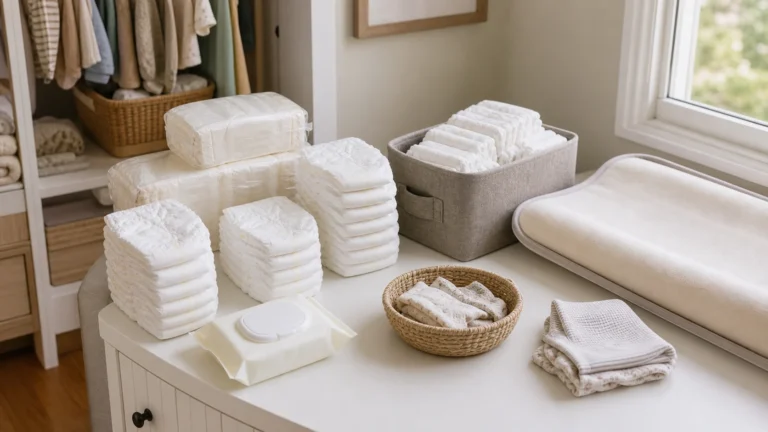
Do not buy a huge newborn diaper stockpile
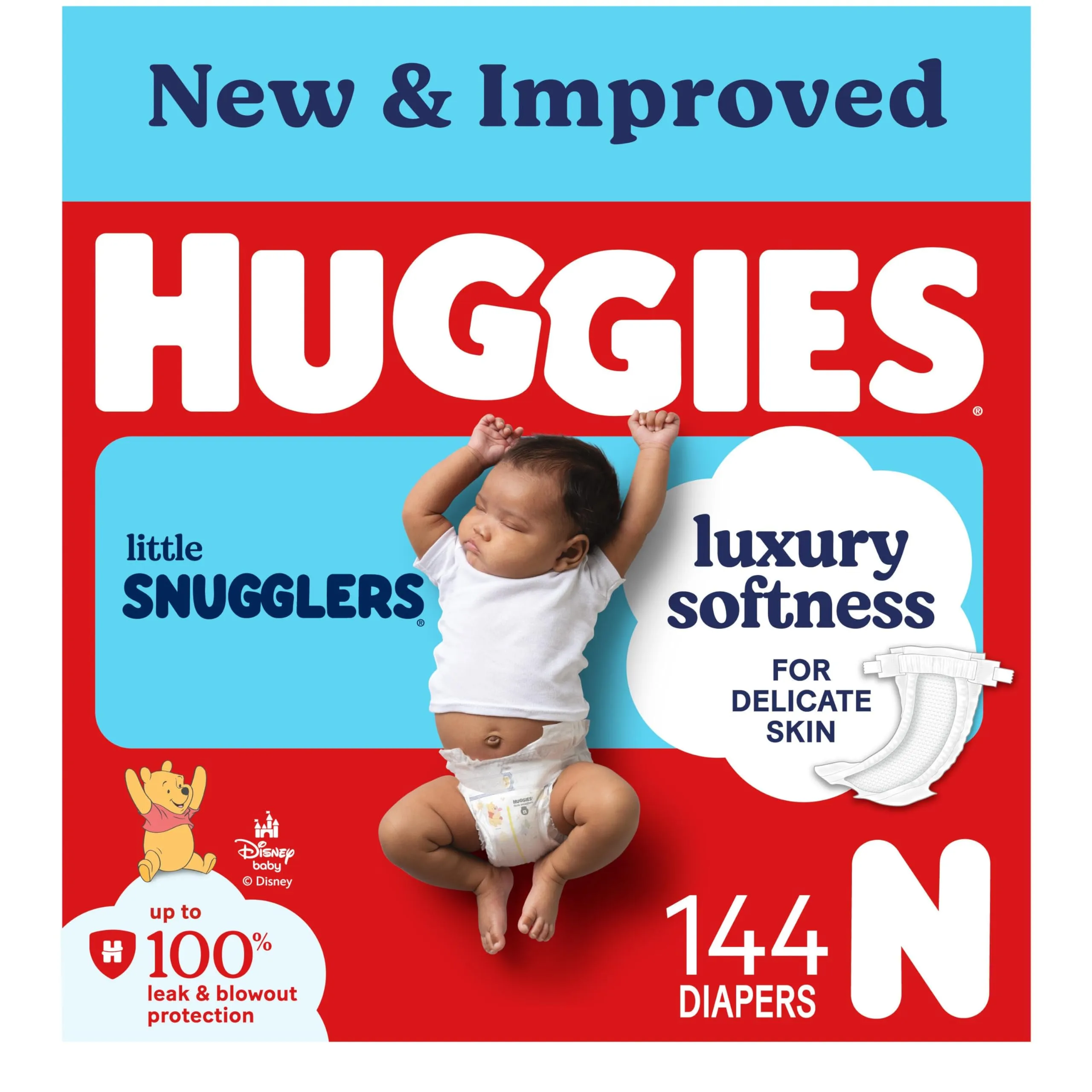
Newborn diapers are necessary, but a large stockpile in one size is risky. Some babies outgrow newborn size quickly. Others need a different fit. Some brands work better for one baby than another. Start small, then restock after you know how the diapers fit.
If you want a deeper diaper planning guide later, use our Newborn Diapers page and the specific guide on Newborn clothes too small when you are thinking about sizing problems across diapers and outfits.
Skip the wipe warmer at first
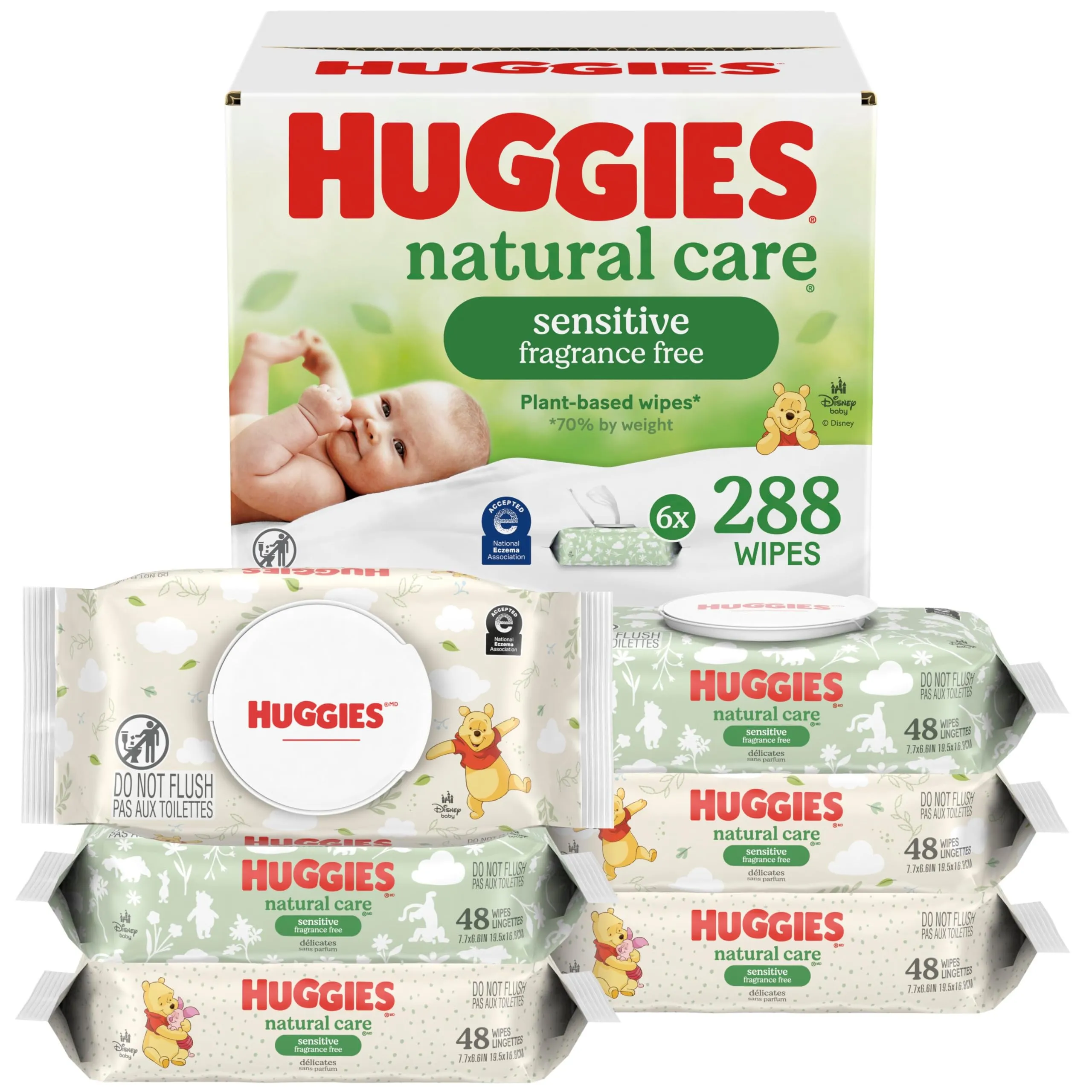
A wipe warmer is a comfort extra, not a newborn essential. Some parents love it, but many never use it enough to justify the space. Start with fragrance-free baby wipes in an easy-to-reach place and decide later if warming wipes is truly needed in your home.
Delay oversized changing furniture
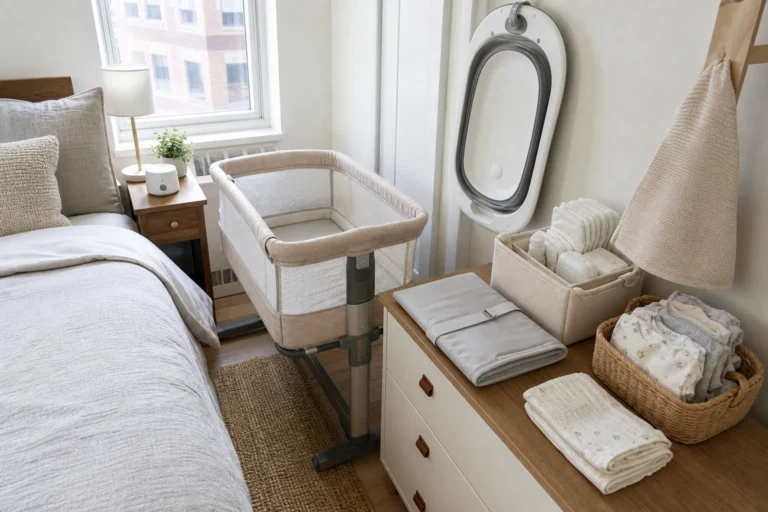
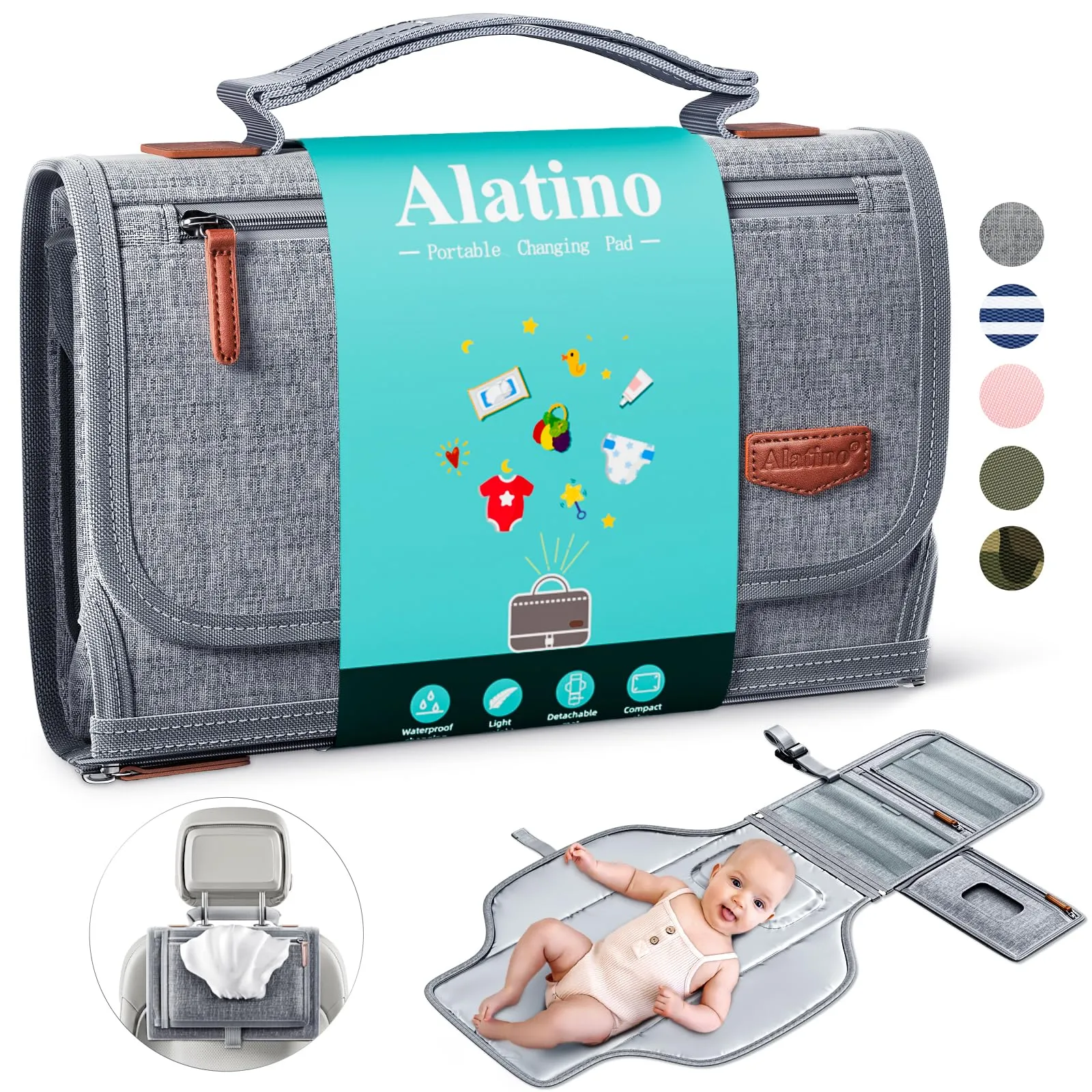
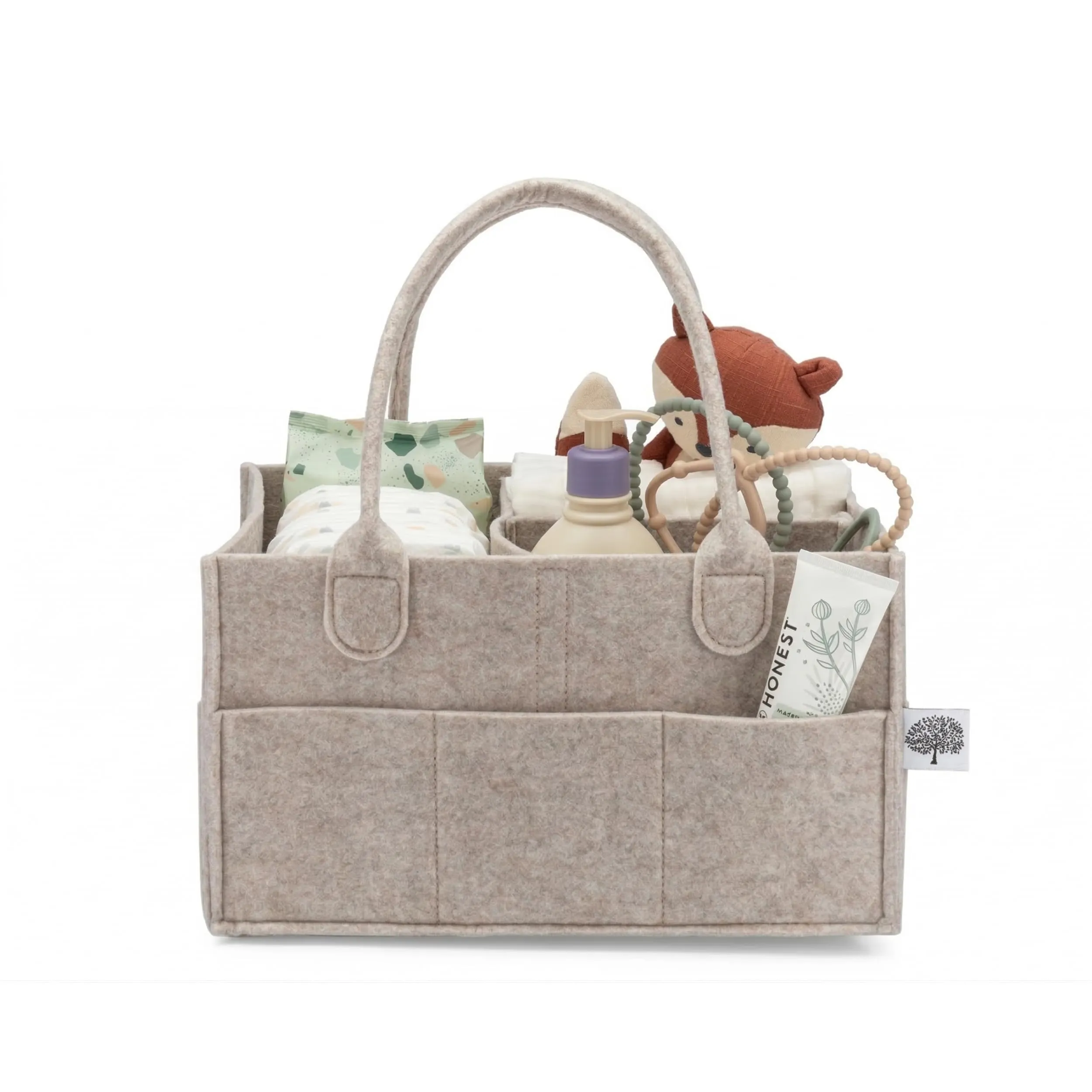
A large changing table can be useful in some nurseries, but it is not required for every family. A portable changing pad and diaper caddy can work better for apartments, shared bedrooms, grandparents’ homes, or families who change diapers in more than one room.
Better Diapering Basics
Buy a Small Diaper Setup Instead
Feeding Products to Wait On
Feeding plans often change after birth. A parent may plan to breastfeed and later combo feed. A baby may prefer a different bottle nipple. Pumping may become more or less important than expected. Because of this, feeding is one of the worst categories for overbuying too early.
Do not buy too many bottle styles
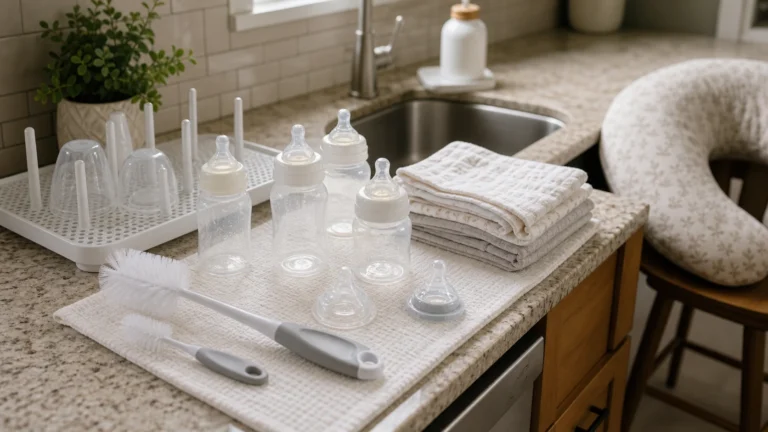
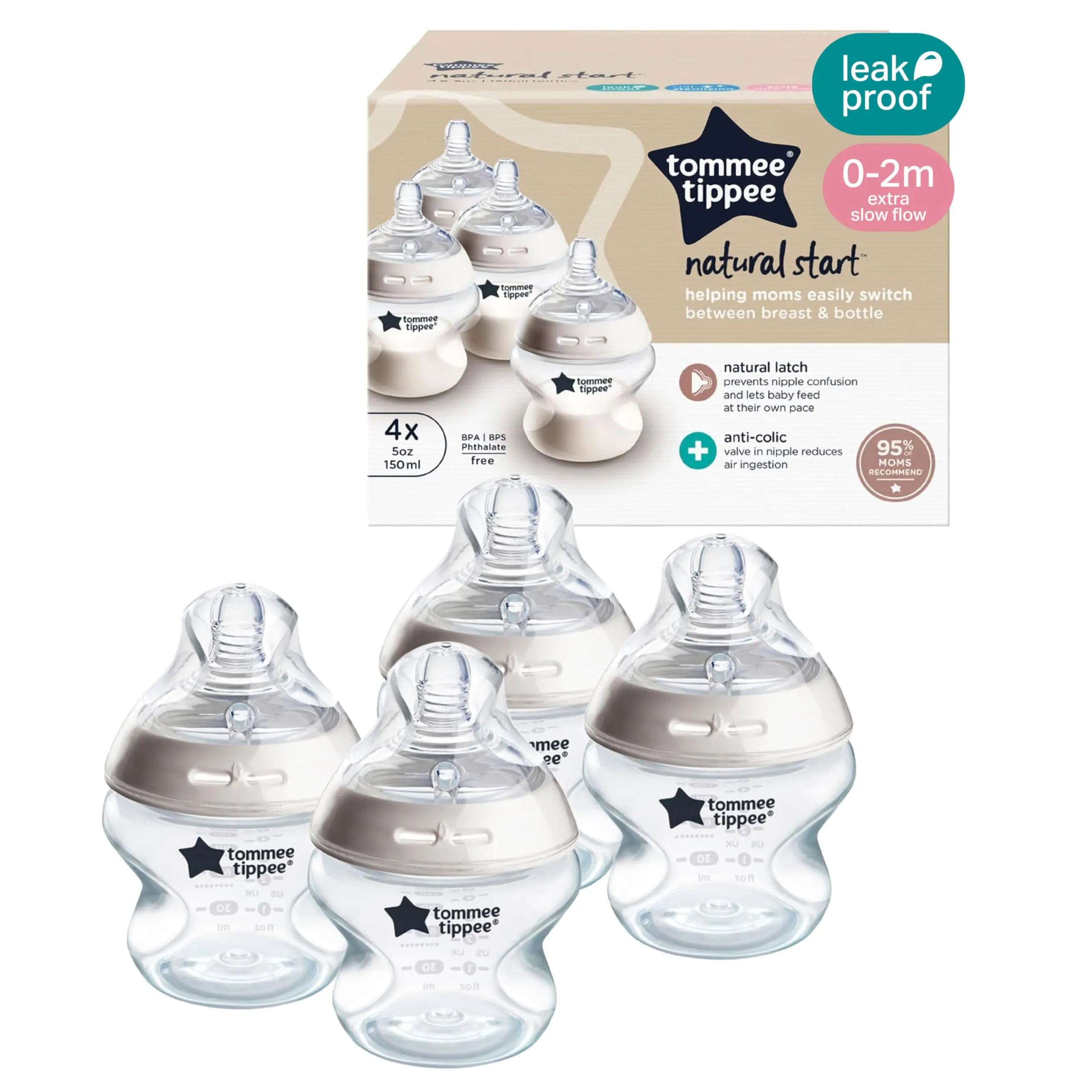
A small bottle set is useful for many families, but a huge collection of different bottle styles is not necessary before baby arrives. Newborns may prefer a certain nipple shape, flow, or bottle feel. Buy small first.
Delay the bottle warmer
A bottle warmer can be helpful later, but it is not usually a first-week must-have. Many families start with basic bottle preparation and decide later whether warming bottles becomes a real daily need.
Wait on the sterilizer unless you know you need it
A sterilizer may be useful in some homes, especially if your pediatrician gives specific guidance or bottles become a major part of your feeding routine. But it does not need to be on every newborn shopping list from day one.
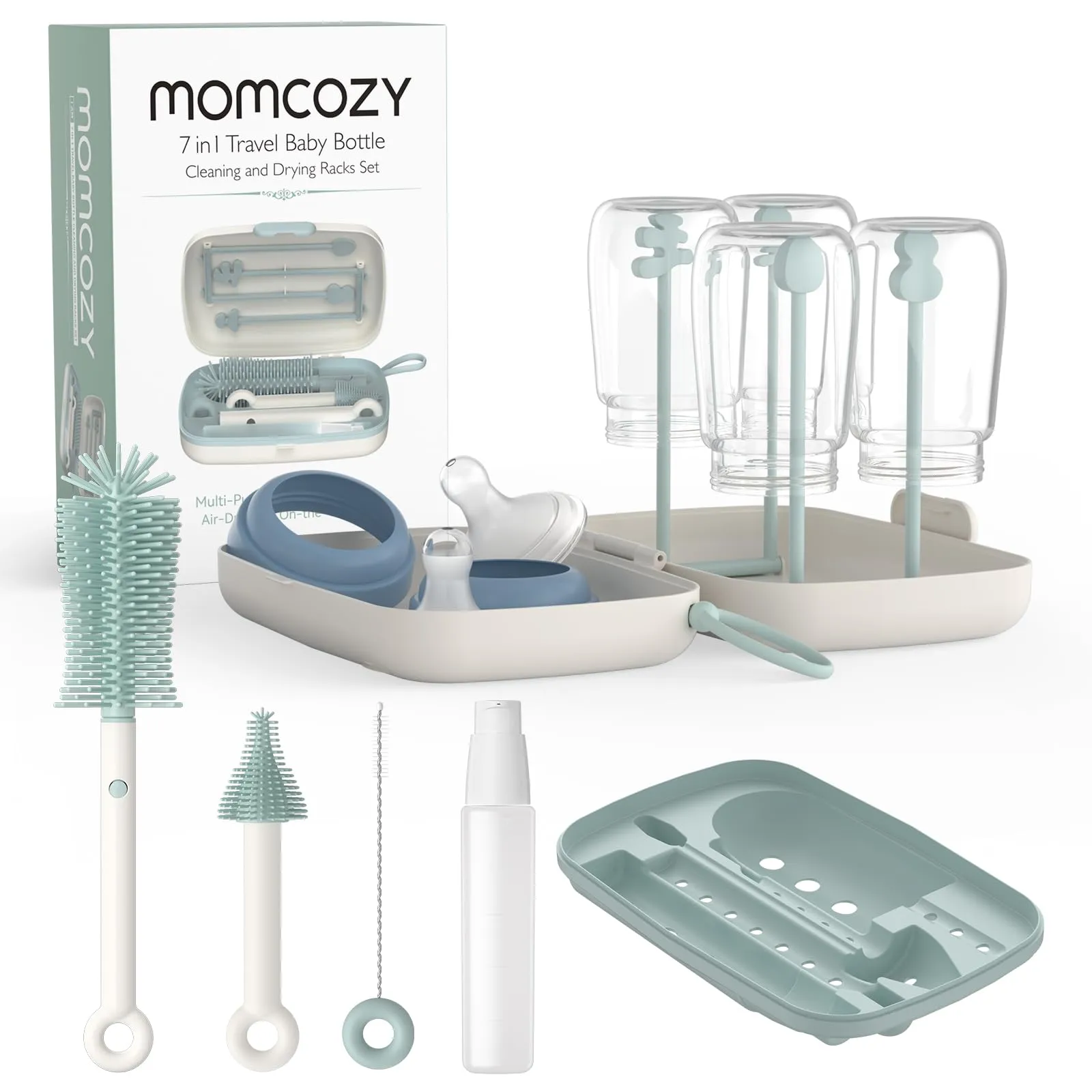
Better Feeding Basics
Start With Flexible Feeding Items
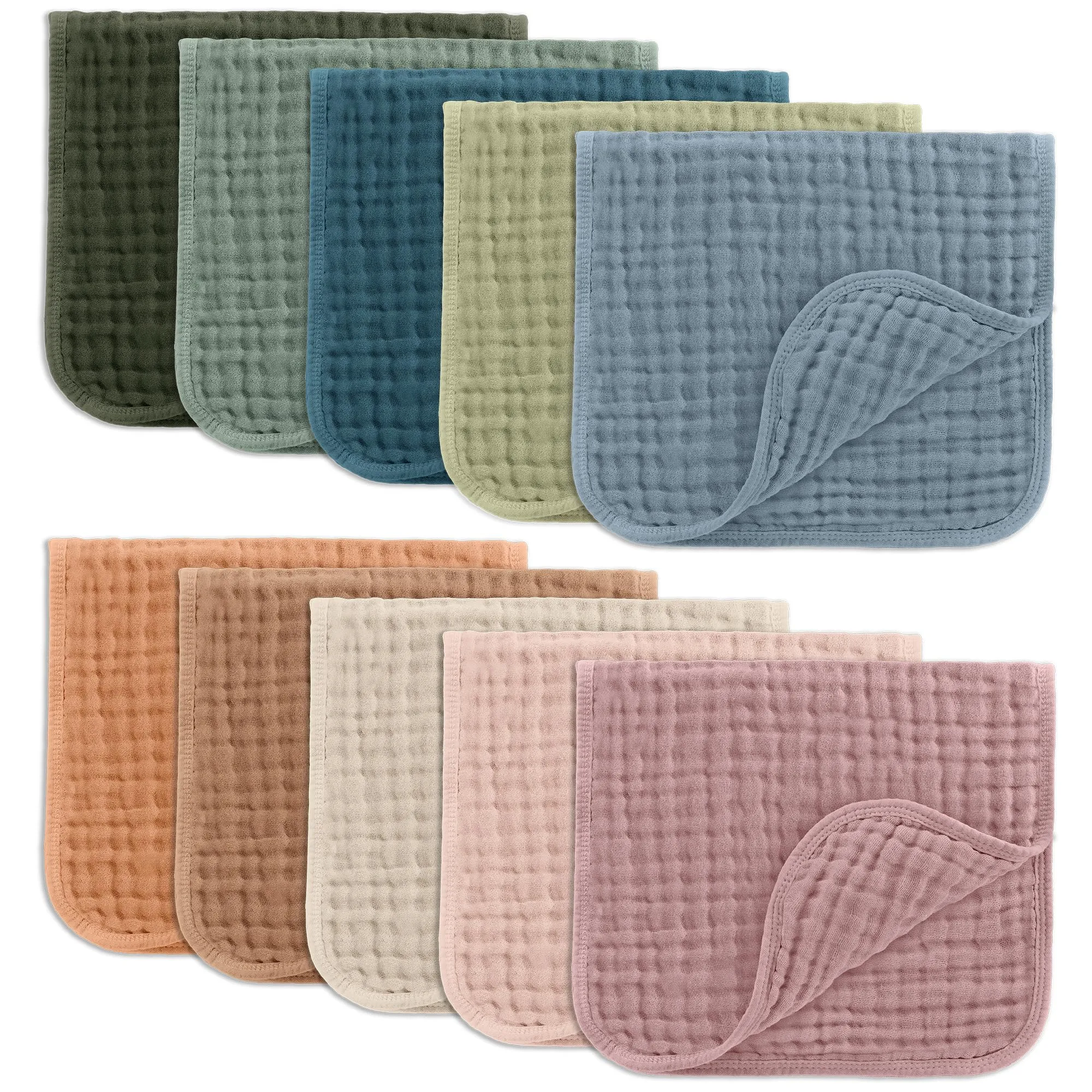
Clothing Items Newborns Usually Do Not Need
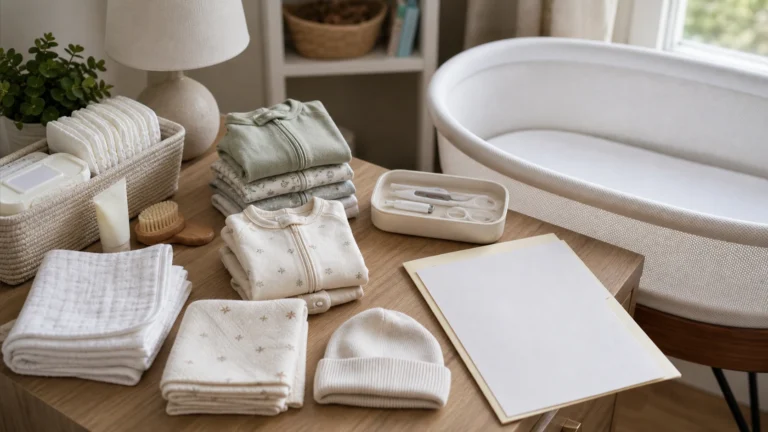
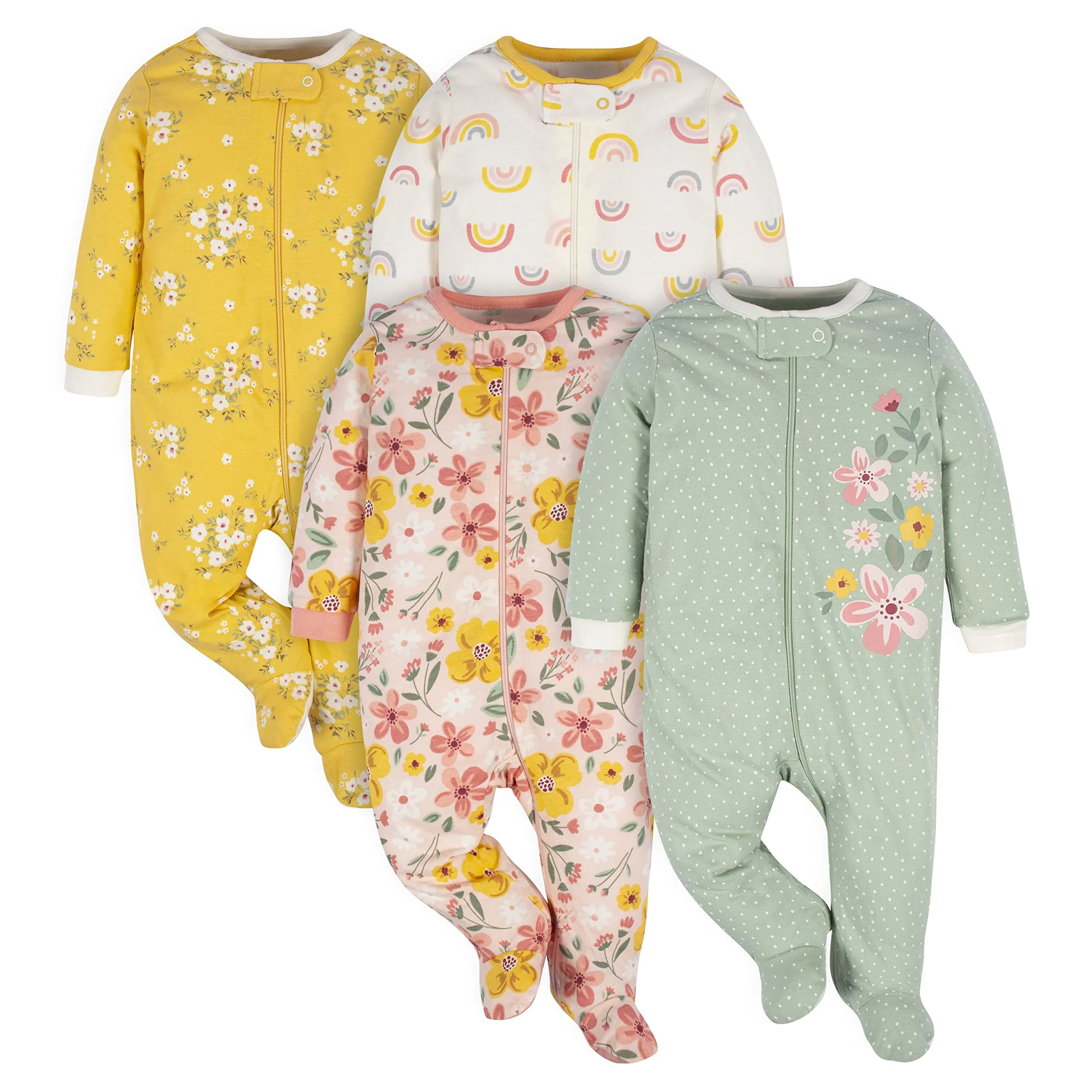
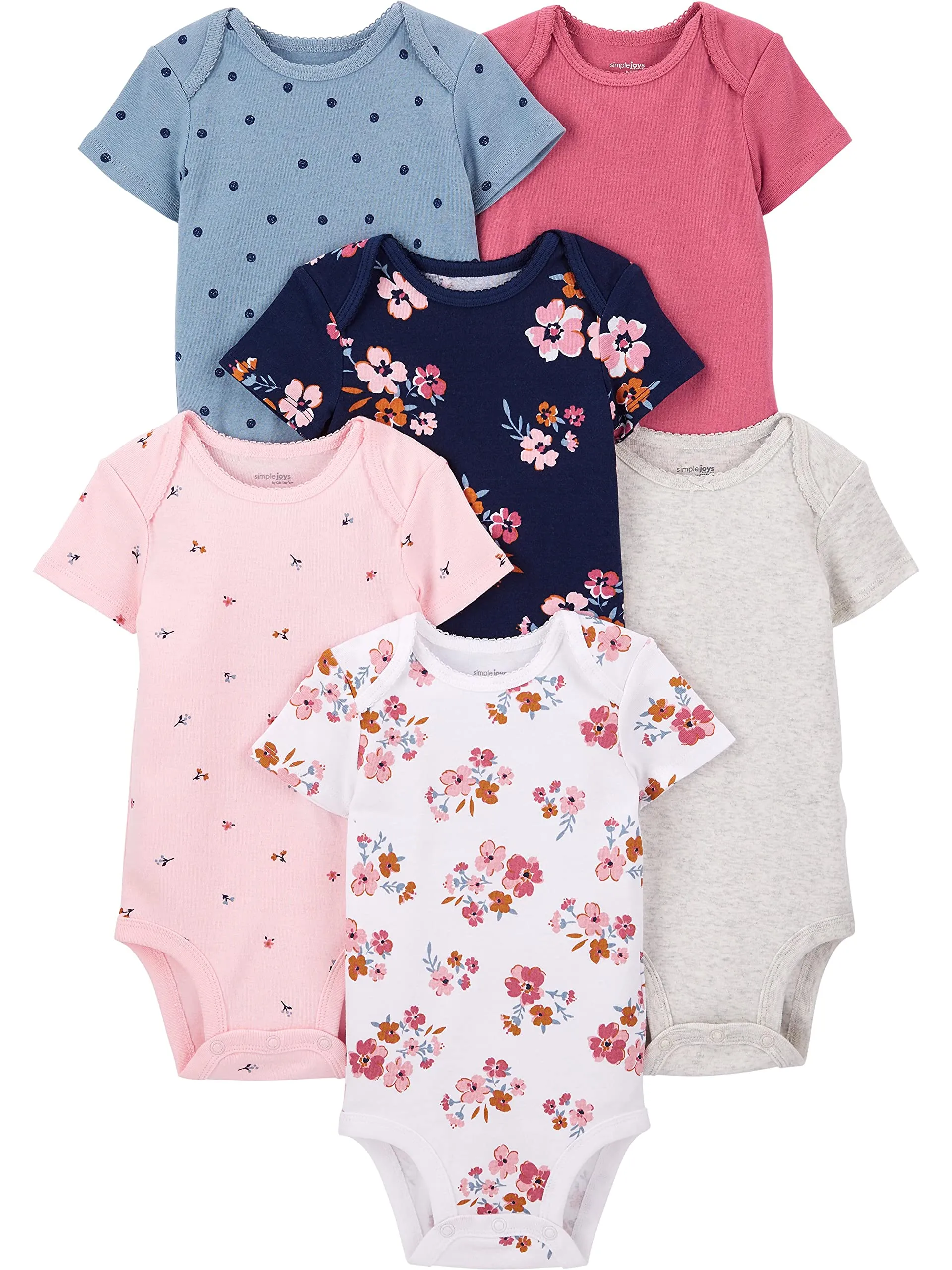
Clothing is where many parents overbuy emotionally. Tiny outfits are cute, but daily newborn life is mostly diaper changes, spit-up, naps, night feeds, and laundry. Practical clothing wins.
Skip baby shoes
Newborns do not need shoes for normal home life. They are not walking, and tiny shoes often fall off or sit unused. If your baby needs warmth, footed sleepers or simple socks are more practical.
Do not buy too many fancy outfits
Photo outfits are fine in small amounts, but they should not dominate your newborn clothing plan. Outfits with stiff fabric, complicated buttons, or many pieces are usually less useful than zipper sleepers and bodysuits.
Avoid overbuying one newborn size
Some babies barely wear newborn size. Others use it longer. Because sizing is unpredictable, buy a modest starter amount. If you already overbought, our Newborn clothes too small guide can help you think through what to exchange, save, donate, or replace.
Better Clothing Basics
Buy Clothes That Make Diaper Changes Easier
Bath, Care, and Gadget Items to Skip
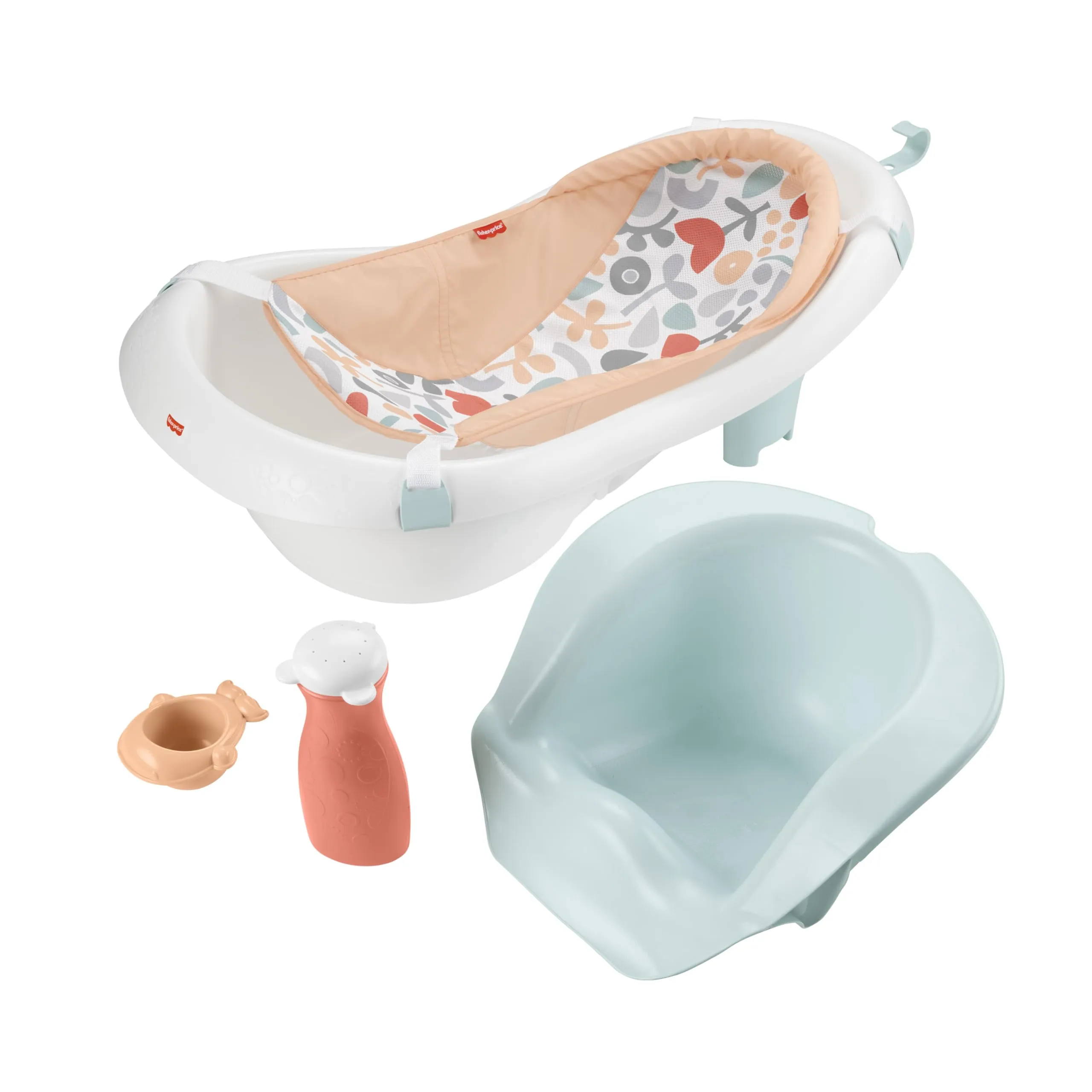
Bath and care products can multiply quickly. A newborn does not need a spa setup, a shelf of scented products, or a cabinet full of gadgets. Simple, gentle, easy-to-clean basics are usually enough.
Skip bath toys at first
Bath toys are not needed in the newborn stage. Early baths are about support, warmth, quick washing, and safety. Toys can wait until your baby is older and more engaged during bath time.
Avoid too many scented bath products
Newborn skin does not need a large collection of scented products. Keep the bath setup simple. If your baby develops a rash, irritation, or skin concern, ask your pediatrician instead of adding more products.
Do not buy every health gadget
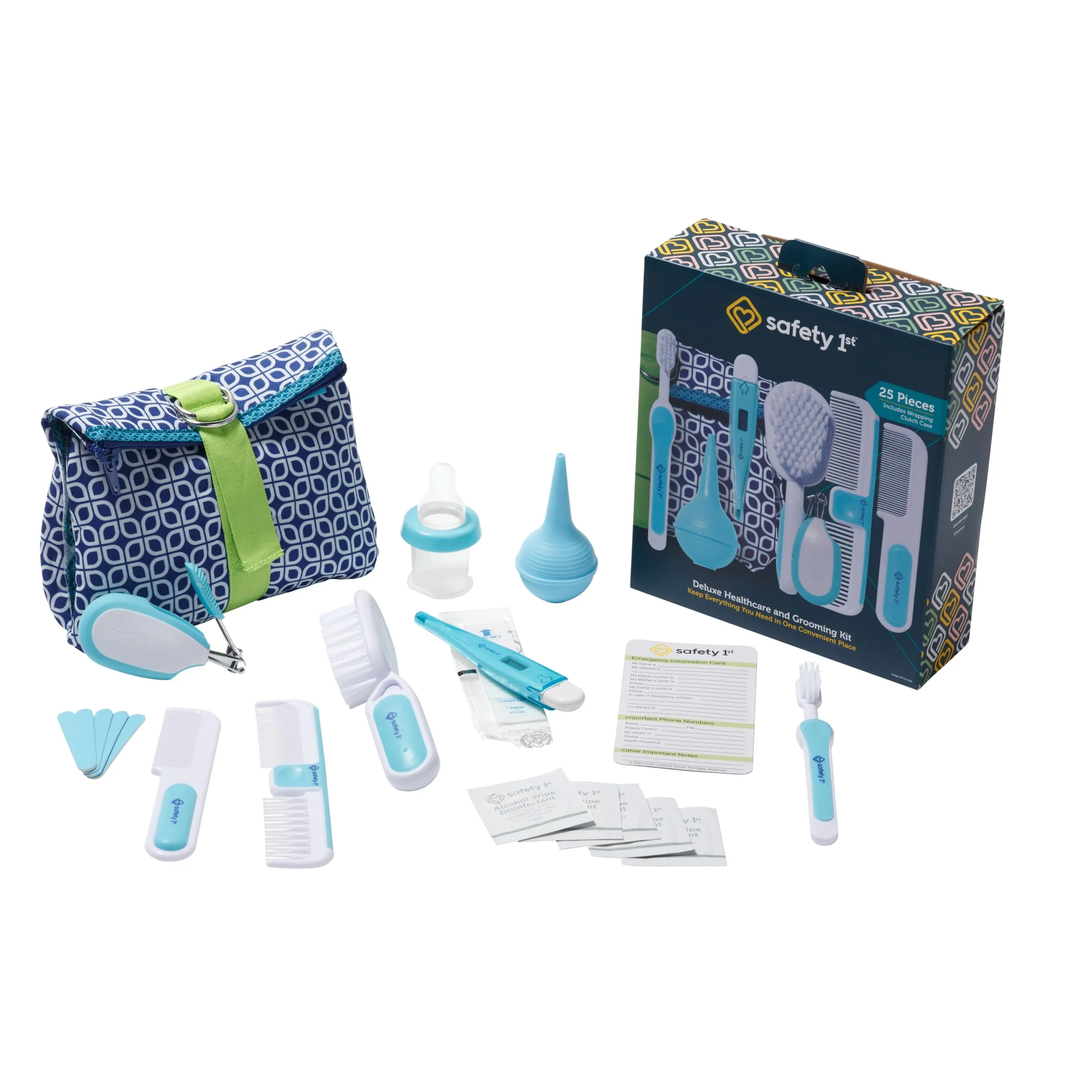
A basic care kit can be useful, but products that make strong medical promises should be treated carefully. For fever, breathing concerns, feeding concerns, severe rash, or anything urgent, call your pediatrician.
Basic care note
Baby care products are for routine support only. Call your pediatrician for medical concerns or anything that feels urgent.
Better Bath and Care Basics
Keep Bath and Care Simple
What to Buy Instead of the Wrong Extras
Thinking about What not to buy for newborn care is useful only if it helps you redirect money toward better basics. You are not trying to buy nothing. You are trying to buy the items that support real routines.
If your budget is limited, compare this page with Newborn essentials for budget parents. If you prefer fewer products overall, our Minimalist newborn essentials guide is a better next step than adding every registry extra.
| Skip or Delay | Buy Instead | Why It Works Better |
|---|---|---|
| Baby shoes | Zipper sleepers or bodysuits | More useful for daily wear and diaper changes. |
| Wipe warmer | Fragrance-free wipes | Used constantly and easy to keep nearby. |
| Large changing table | Portable changing pad and caddy | Works in more rooms and smaller homes. |
| Huge bottle collection | Small starter bottle set | Lets you learn baby’s preference first. |
| Decorative bedding | Simple safe sleep setup | Prioritizes function over nursery styling. |
How to Avoid Overbuying Before Baby Arrives
The best way to avoid overbuying is to build in stages. Stage one is what you need before baby comes home. Stage two is what you add after you understand your baby’s size, feeding, diaper fit, sleep stage, laundry rhythm, and home routine.
- Start with one small diaper supply, not months of diapers.
- Buy a few practical sleepers instead of a full newborn wardrobe.
- Choose one bottle set before trying multiple systems.
- Use one diaper station before duplicating every organizer.
- Keep decorative nursery items separate from true baby care needs.
- Wait on products that depend on your baby’s preferences.
You can also compare this reverse list with our Newborn essentials vs nice to haves guide when you are deciding what belongs on your registry and what should stay off.
Related Guides
Keep Planning Without Overbuying
Start with the main newborn hub
Use Newborn Essentials to see the full parent guide before narrowing your shopping list.
Go more minimal
Use Minimalist newborn essentials if your goal is fewer products and less clutter.
Plan around budget
Use Newborn essentials for budget parents if you want to buy the highest-use basics first.
What Not to Buy for Newborn FAQ
What not to buy for newborn care if I am on a tight budget?
Skip baby shoes, wipe warmers, large diaper stockpiles, too many outfits, decorative bedding, extra bottle styles, and duplicate organizers. Start with sleep, diapering, feeding, clothing, bath, and basic care items first.
Should I buy a lot of newborn diapers before baby arrives?
No. Buy a small starter supply first. Some babies outgrow newborn size quickly, and diaper fit can vary by baby and brand.
Are baby shoes necessary for newborns?
No. Newborns do not need shoes for daily home life. Footed sleepers, socks, or simple layers are usually more practical.
Do I need a wipe warmer?
Most families can skip it at first. Fragrance-free wipes kept near the changing area are enough for most newborn diaper changes.
What should I buy instead of fancy newborn outfits?
Buy zipper sleepers and simple bodysuits. They are easier for diaper changes, naps, night feeds, and everyday newborn wear.
Final Takeaway
The best answer to What not to buy for newborn is not a list of products to avoid forever. It is a smarter buying order. Skip the extras first, start with practical basics, and add products only after your baby and home routine show you what is truly missing.
Newborn care does not need to be crowded. A simple sleep space, a modest diaper setup, flexible feeding basics, easy clothing, bath supplies, and basic care tools will do more for your first weeks than a house full of registry extras.
More from BabyEthos
Watch BabyEthos on YouTube
Follow BabyEthos for practical baby gear tips, nursery ideas, and parent-friendly newborn essentials guides.
▶ Visit BabyEthos YouTube