Newborn Diapering Essentials 2026: Diapers, Wipes, Cream, and Changing Station Basics
Newborn diapering essentials are the supplies you will reach for again and again: diapers, wipes, diaper cream, a safe changing surface, and a way to keep everything within arm’s reach. This is one newborn category where missing one basic item becomes obvious very quickly.
This guide is the diapering section of our broader Newborn Essentials hub. It focuses on what to prepare before baby arrives, what can wait, and how to avoid buying a mountain of diapers in the wrong size.
If you are planning the whole room, pair this with our Newborn nursery essentials guide. If you want a more step-by-step diaper-change workflow, use our Newborn essentials for diaper changes page after you choose your core supplies.
What Newborn Diapering Essentials Do You Need?
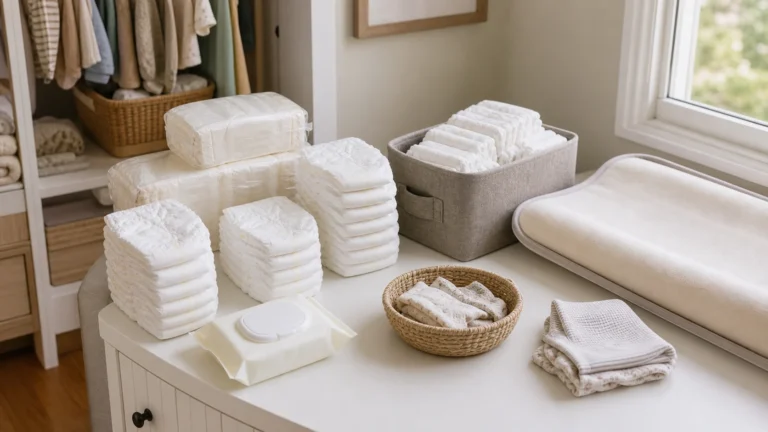
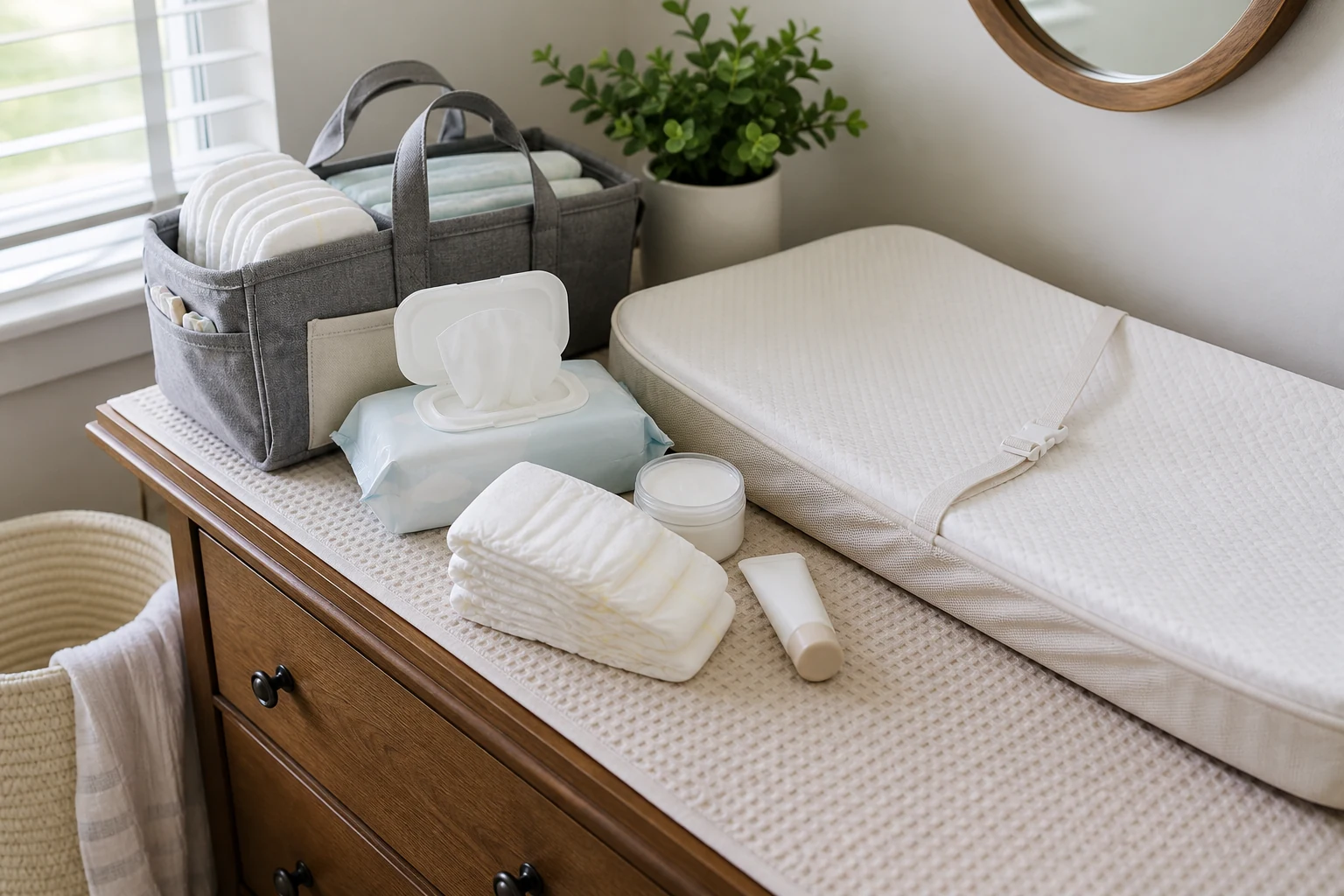
The core newborn diapering essentials are newborn diapers, fragrance-free wipes, diaper rash cream, a portable changing pad, and a diaper caddy or small organizer.
Start with a modest diaper supply instead of a huge newborn-size stockpile. Babies grow quickly, and diaper fit can change within the first weeks.
Diapering safety note
Keep one hand on your baby during diaper changes, keep supplies within reach before you start, and wash hands afterward. The CDC diaper changing at home guidance also emphasizes good hygiene, wiping front to back, cleaning the changing surface, and washing hands after diapering.
Newborn Diapering Essentials: Buy First, Wait, or Skip
Diapering is a high-frequency routine, but that does not mean you need every diapering product before the due date. Focus on the supplies that help with the first few weeks, then adjust after you understand your baby’s size, output, skin sensitivity, and home layout.
| Item | Buy Before Baby Arrives? | Why |
|---|---|---|
| Newborn diapers | Yes, small starter supply | Needed from day one, but sizing changes quickly. |
| Fragrance-free wipes | Yes | Used for diaper changes and small cleanups. |
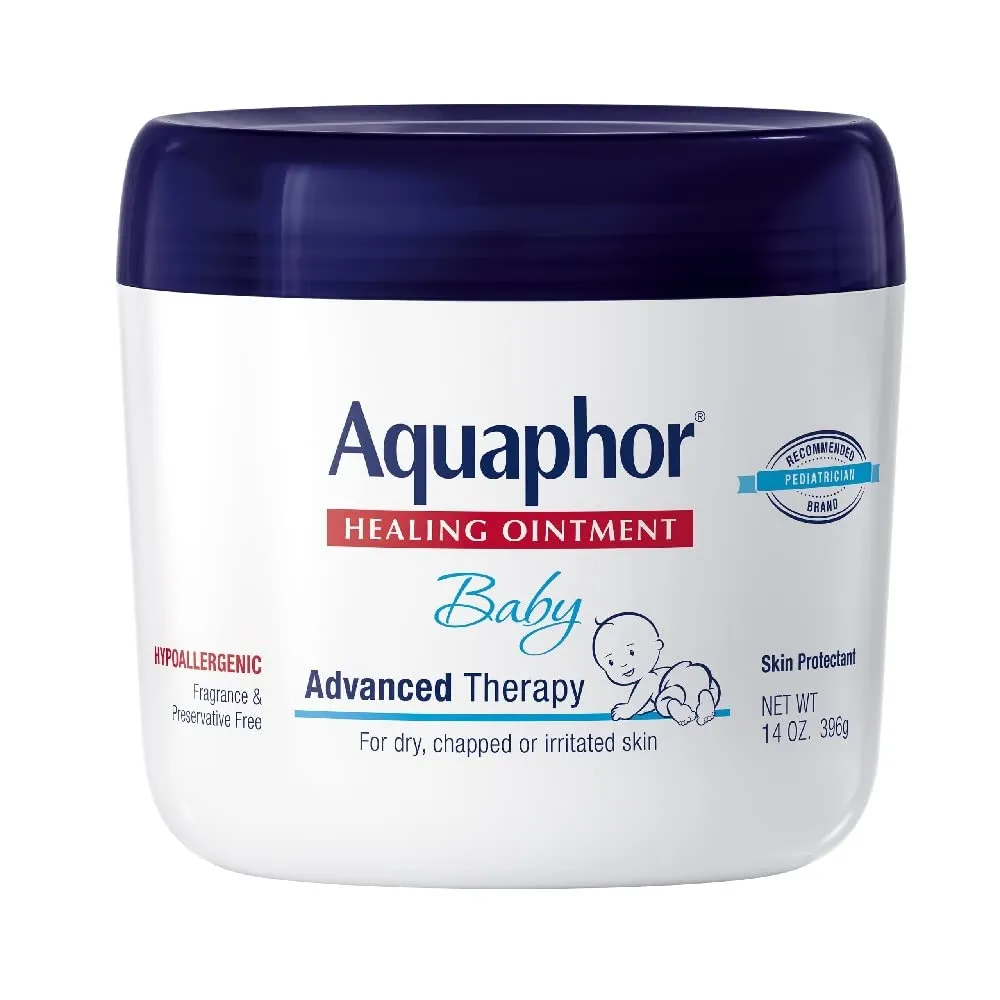
| Diaper rash cream | Yes | A basic barrier product to keep near the changing area. |
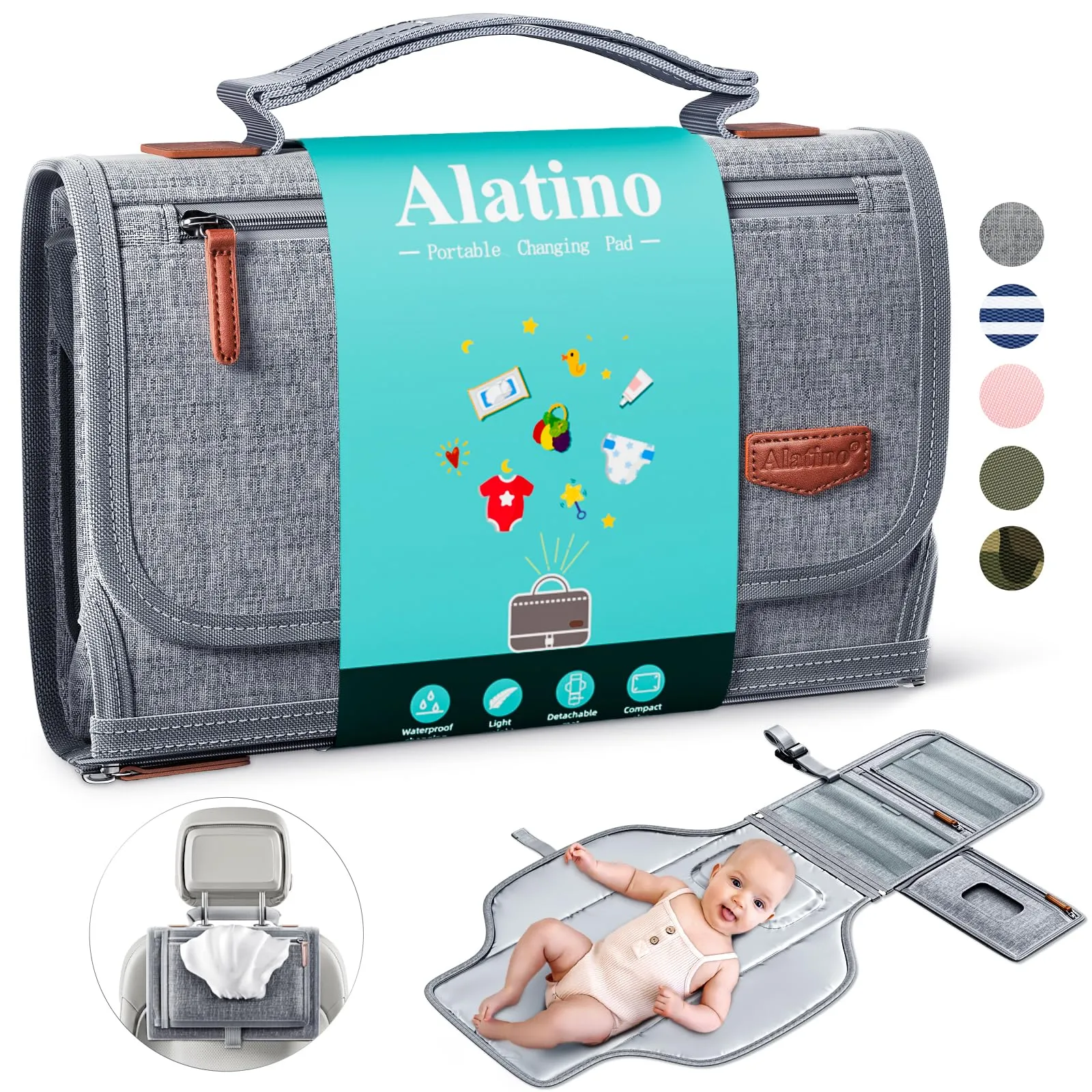
| Portable changing pad | Yes | Creates a wipeable changing surface at home or away. |
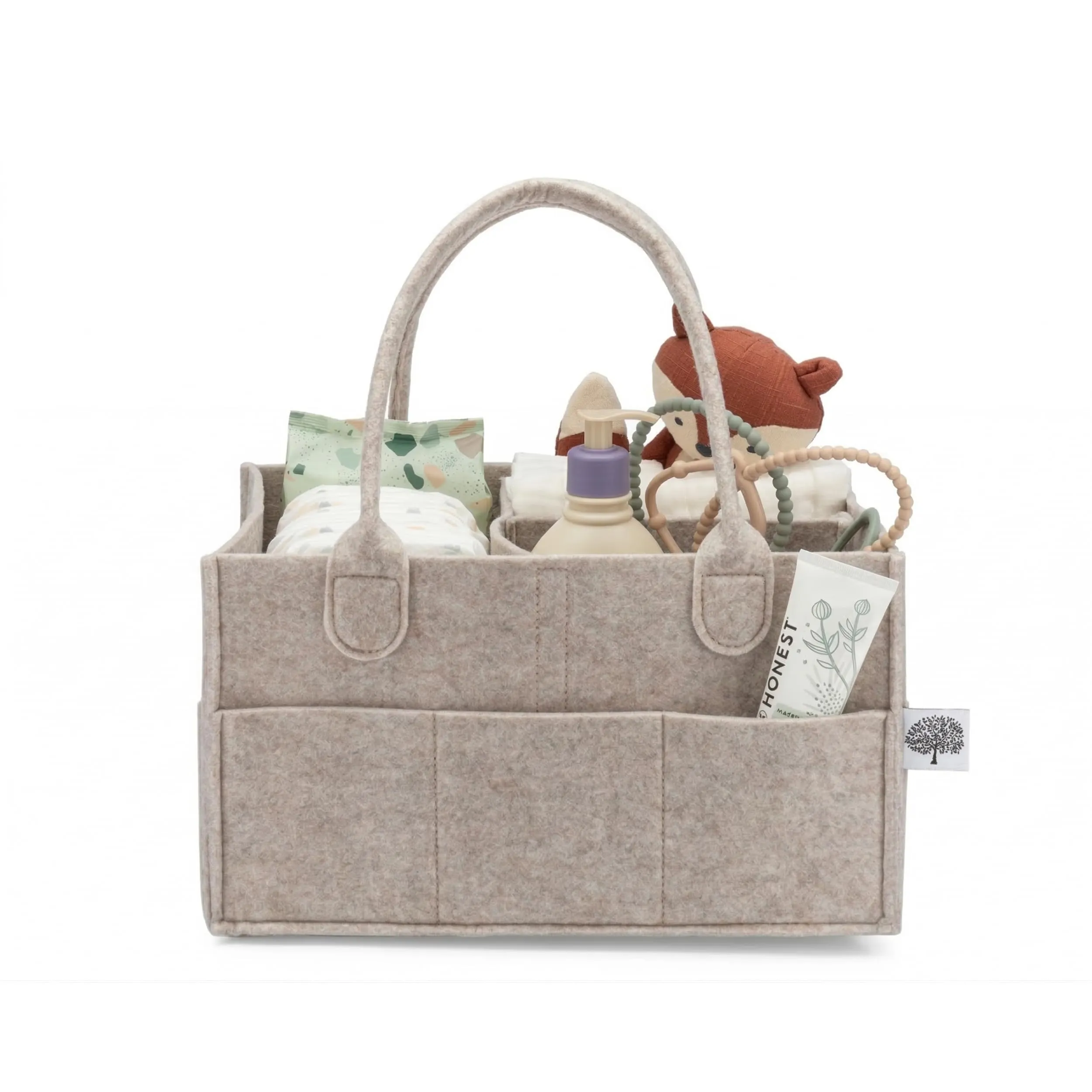
| Diaper caddy | Useful | Keeps diapers, wipes, cream, and backups together. |
| Large diaper stockpile | Wait | Fit, brand preference, and size changes are hard to predict. |
For the whole baby-at-home setup, return to the main Newborn Essentials list after this page so diapering, feeding, sleep, bath, cleaning, and clothing stay balanced.
Quick Shop
Newborn Diapering Basics to Prepare First
These supplies cover the basic diaper-change routine: absorbency, wiping, skin barrier care, a clean surface, and portable organization.
Start With Newborn Diapers, Not a Giant Stockpile
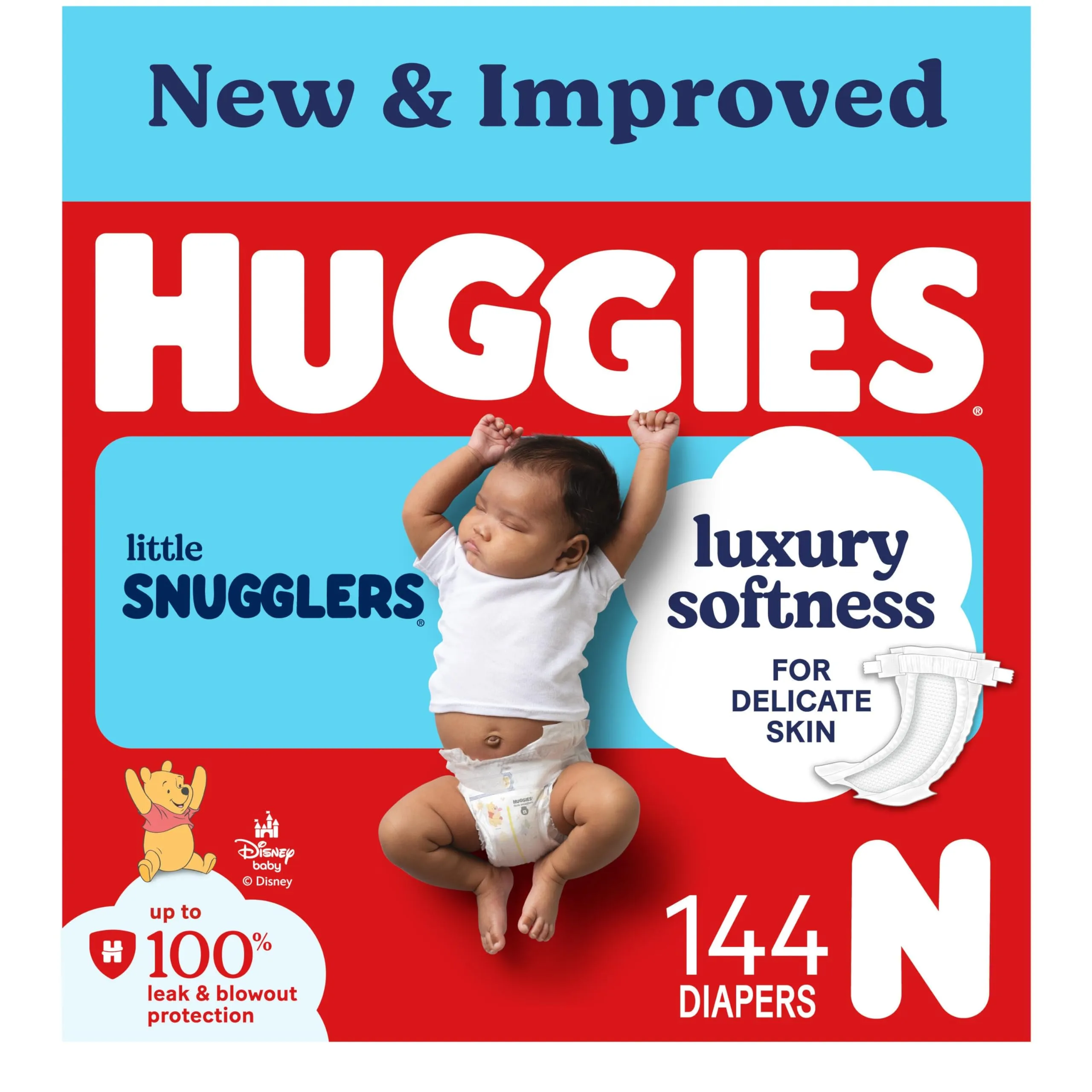
Newborn diapers are essential, but the amount is where parents often overbuy. Some babies stay in newborn size for a while. Others move into size 1 quickly. A starter box or a couple of smaller packs is usually smarter than filling a closet with one size.
Watch fit more than the label. If tabs barely close, red marks show up, leaks become frequent, or the diaper sits too low, it may be time to size up. If you are still working out quantities, our guide on how many diapers a newborn needs can sit beside this page, but the short version is simple: buy enough for the first days, then restock after you see fit and output.
Choose Wipes That Keep the Routine Simple
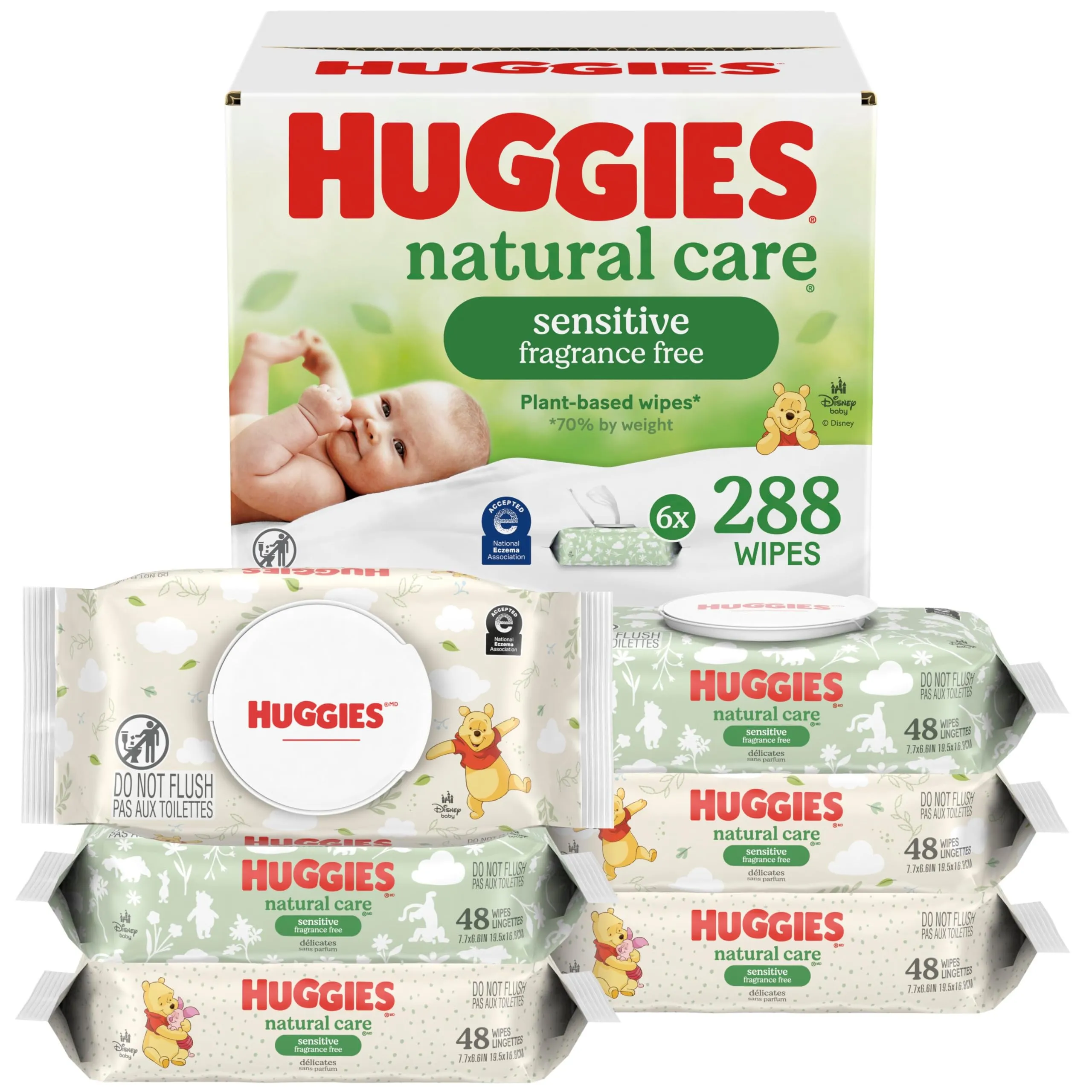
Fragrance-free wipes belong in most newborn diapering essentials lists because they are useful beyond diaper changes. You will use them for small leaks, sticky hands, changing-pad cleanup, and diaper-bag emergencies. Still, start with a practical amount instead of a massive case if you do not know how your baby’s skin will respond.
The CDC diapering guidance reminds caregivers to wipe front to back. For stool, clean skin folds carefully and keep the dirty diaper away from surfaces that cannot be cleaned easily. A wipe pack on the changing surface and another in a diaper bag is usually enough to start.
Diaper Cream Is a Barrier, Not a Cure-All
Diaper rash cream or ointment is useful because newborn skin spends a lot of time near moisture, stool, and friction. Keep one container near the main changing area and apply it according to product directions when needed.
Be careful with medical promises. A basic diaper cream can help protect skin, but it should not be treated as a diagnosis tool or a guaranteed fix. The HealthyChildren.org diaper rash symptom checker advises contacting a doctor for concerning signs such as fever with spreading redness, blisters, open sores, bleeding, rash outside the diaper area, or a rash that is not improving as expected. If a cream is not helping, use our diaper rash cream not working guide and call your pediatrician when symptoms look severe or unusual.
Use a Changing Pad and Caddy to Reduce Chaos
A portable changing pad gives you a wipeable surface on a dresser, bed, floor, changing table, or while visiting family. It is especially useful if you do not want a large changing table. The safety habit matters more than the product: prepare supplies first, keep one hand on your baby, and never leave your baby unattended on a raised surface.
A diaper caddy keeps the routine from scattering across the room. Stock it with diapers, wipes, cream, a spare sleeper, a small trash bag or wet bag, and a backup burp cloth if feeding and diapering happen in the same area. For a full room layout, the nursery changing station setup guide can help you decide where the pad, caddy, diaper pail, and laundry bin should live.
Keep diapering supplies separate from feeding supplies when possible. If bottles, burp cloths, and formula gear are part of your routine, use our Newborn feeding essentials guide and Newborn essentials for formula feeding guide to keep feeding cleanup and diaper cleanup from mixing.
Starter Quantities for the First Weeks
These quantities are intentionally modest. You are buying enough to get started, not trying to predict every diaper change for the next three months.
| Item | Starter Amount | Adjust If |
|---|---|---|
| Newborn diapers | 1 to 2 small packs or one starter box | Add more after you know fit and growth speed. |
| Fragrance-free wipes | 1 starter pack or case | Add more if the wipe formula works well for your baby. |
| Diaper cream | 1 tube or jar | Add a second only if you need one for a diaper bag or second floor. |
| Portable changing pad | 1 | Consider another only for a regular second location. |
| Diaper caddy | 1 | Add a second only if your home layout proves it is needed. |
Cleaning Around the Diaper Station
Diapering creates laundry and surface cleanup. Keep a place for soiled clothes, backup sleepers, and changing-pad covers if you use them. The main Newborn cleaning essentials guide can help you decide what belongs in the laundry area versus the diaper station.
After messy changes, clean the changing surface according to the product or surface instructions. If your changing pad uses a fabric cover, swap it when soiled. If it is wipeable, remove visible soil before using a safe cleaner for that material.
Editor note
Newborn diapering essentials should make the next change easier, not turn your home into a storage aisle. Keep one main changing setup stocked, restock consumables, and wait before duplicating large gear.
Newborn Diapering Essentials FAQ
What newborn diapering essentials should I buy first?
Start with newborn diapers, fragrance-free wipes, diaper rash cream, a portable changing pad, and one caddy or organizer.
How many newborn diapers should I buy before birth?
Buy a starter supply, not a huge stockpile. One starter box or a couple of smaller packs is usually more flexible until you know your baby’s fit and growth speed.
Do I need a changing table?
No. A portable changing pad and stocked caddy can work well if you have a safe, stable changing surface and keep one hand on your baby.
Should I use diaper cream every change?
Follow the product directions and your pediatrician’s advice. Some families use barrier cream often; others use it when skin looks irritated or during longer stretches.
What diapering items can wait?
Wait on large diaper stockpiles, duplicate organizers, oversized changing furniture, wipe warmers, and extra diaper bags until your routine is clearer.
Final Takeaway
The best newborn diapering essentials are simple and repeatable: diapers that fit, wipes that work for your baby’s skin, a basic barrier cream, a safe changing surface, and an organizer that keeps everything close.
Start small, then restock based on real fit, leaks, skin response, and where diaper changes actually happen in your home. Then connect this setup back to the full Newborn Essentials plan so diapering supports the rest of your newborn routine instead of taking it over.
More from BabyEthos
Watch BabyEthos on YouTube
Follow BabyEthos for practical baby gear tips, registry planning, and parent-friendly newborn essentials guides.
Visit BabyEthos YouTube